2026 Top Textile Industry Spare Parts Suppliers?
The 2026 textile industry spare parts market is becoming more demanding, precise, and service-focused. Mills now need components that support stable production, lower waste, and predictable maintenance costs. A worn spindle, damaged drafting roller, or inaccurate sensor can interrupt an entire production line. Small parts can create major delays.
This guide examines leading textile industry spare parts suppliers through practical industry criteria. These include product quality, machine compatibility, delivery capability, technical support, and documented customer experience. Reliable suppliers should provide clear specifications, traceable materials, and responsive after-sales assistance. They should also understand equipment from brands such as Rieter, Schlafhorst, Toyota, Picanol, Dornier, and Murata.
Real factory conditions matter. A supplier may offer attractive prices, yet slow delivery can leave machines idle for days. Another supplier may provide excellent components but limited support for older equipment. That weakness deserves attention. No ranking can fit every mill.
The evaluation also considers replacement accuracy, packaging quality, warranty clarity, and inventory depth. Experienced maintenance teams often notice details that online catalogs overlook. A properly finished gear, for example, should run smoothly without unusual vibration or heat. However, supplier performance can change with regional stock, shipping conditions, and production capacity. Buyers should verify current information before placing orders.
This overview aims to help textile manufacturers compare suppliers with greater confidence. It does not replace technical inspection or procurement testing. Careful judgment remains essential. Reliability is earned over time.
What Are Textile Industry Spare Parts and Why Do They Matter?
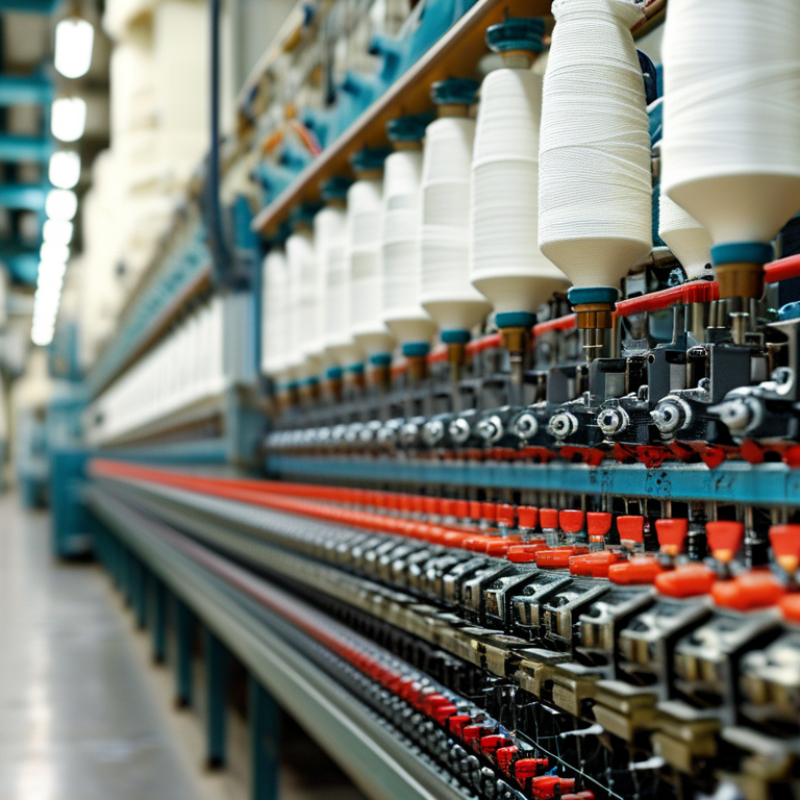
Textile industry spare parts are small, replaceable components that keep production equipment stable. They include bearings, belts, gears, needles, sensors, seals, and tension-control elements. In spinning, a worn bearing can create vibration and excess heat. In weaving, a damaged guide may produce uneven fabric edges. These parts seem minor during normal operation. Their importance becomes clear when one failure stops a scheduled order. Reliable parts support machine uptime, fabric consistency, and safer maintenance work.
Selecting the right part requires more than matching its appearance. Maintenance teams should check dimensions, material, tolerance, operating speed, and temperature resistance. Dust, moisture, oil, and constant movement can quickly expose weak components. A part may fit correctly but still perform poorly. Suppliers should provide clear specifications, inspection records, and practical technical support. In real workshops, small measurement errors happen. That is why experienced technicians verify the original part before ordering replacements. No checklist is perfect, but careful records reduce repeated mistakes.
Tips: Keep a spare-parts list for each machine. Record part numbers, dimensions, service dates, and failure causes. Store sensitive items away from heat and moisture. Inspect replacements before installation, even when packaging looks untouched. A short inspection can prevent a long shutdown.
How to Evaluate Textile Industry Spare Parts Suppliers in 2026?
How to Evaluate Textile Industry Spare Parts Suppliers in 2026?
Evaluating textile industry spare parts suppliers requires more than comparing prices. Check their experience with spinning, weaving, dyeing, or finishing equipment. Ask for dimensional drawings, material certificates, and inspection records. Details matter. A reliable supplier should explain tolerances, surface treatment, and expected service life clearly.
Traceability is essential in 2026. Each critical part should have a batch number, production date, and quality record. Review delivery performance over the past twelve months, not only promised lead times. Ask how they manage urgent orders and discontinued components. A practical test order can reveal packaging quality, machining accuracy, and communication speed.
Request references from comparable textile operations, while protecting confidential information. Suppliers should provide clear warranty terms and technical support after delivery. Their engineers should understand vibration, heat, abrasion, and alignment problems found on production lines. Be cautious when product descriptions sound perfect but lack test data. No supplier is flawless. I have seen attractive quotations create costly delays when drawings were not checked carefully. An independent inspection may add expense, but it can prevent repeated machine stoppages. Also examine cybersecurity controls when orders, drawings, or maintenance records are exchanged digitally. Good judgment includes questioning your own assumptions. A familiar supplier may still need fresh evaluation.
What Services and Quality Standards Should Suppliers Provide?
Choosing a textile spare parts supplier in 2026 requires more than comparing prices. Reliable suppliers should understand spinning, weaving, dyeing, and finishing equipment in real production conditions. Their technicians should identify wear patterns, alignment problems, and installation risks before recommending a replacement.
Clear technical support matters. Suppliers should provide accurate drawings, material details, dimensional tolerances, and compatibility data. A bearing, nozzle, sensor, or guide element may look correct but fail after several production shifts. On-site guidance, video instructions, and rapid troubleshooting can reduce downtime. Keep records carefully. Each part should have batch information, inspection results, and traceable documentation. This makes quality concerns easier to investigate.
Quality standards should include incoming material checks, calibrated measuring tools, and documented final inspections. An ISO 9001-aligned quality system can show process discipline, but certification alone proves little without consistent evidence. Ask for sample reports, test methods, and realistic delivery commitments. Suppliers should also explain warranty limits and replacement procedures in plain language. The checklist helps, but it is not flawless. Field experience still matters. A supplier may pass every paperwork review and miss a small tolerance issue during production. Honest communication about defects, delays, and design limitations is therefore essential for long-term reliability.
Textile spare-parts suppliers should support quality management, environmental controls, occupational safety, and measurement traceability. Buyers should also request certificates of conformity, material documentation, dimensional inspection records, batch traceability, warranty terms, and responsive technical support.
Which Trends Will Shape the Textile Spare Parts Market in 2026?
In 2026, textile spare parts suppliers will compete through smarter maintenance support, not only lower prices. Predictive maintenance will influence demand for sensors, bearings, rollers, belts, and spindle components. These parts can reveal vibration, heat, or alignment problems before production stops. Shorter downtime matters.
Digital inventory systems will become more practical for mills with many machine models. Buyers will expect accurate drawings, batch records, dimensional reports, and clear delivery updates. Suppliers with technical engineers can match materials, tolerances, and operating temperatures more reliably. A part that looks identical may perform differently under continuous high-speed use. This detail is often underestimated.
Energy efficiency will also shape purchasing decisions. Lightweight components, low-friction surfaces, and longer service intervals may reduce operating costs. Regional warehousing could shorten delivery times when global logistics remain uncertain. However, keeping every part in stock is expensive, and demand forecasts are rarely perfect. The market may still surprise us. Some suppliers may overinvest in digital tools while neglecting hands-on inspection. Experienced technicians will remain essential for checking fit, wear patterns, lubrication, and installation errors. Textile mills may also request repaired or reconditioned components, although quality control must remain strict. Sustainability sounds attractive, but traceable materials and dependable testing will decide whether it works in practice.







 No. 85 “Alexander Malinov” Blvd,
1715 Sofia, Bulgaria
No. 85 “Alexander Malinov” Blvd,
1715 Sofia, Bulgaria +359 2 953 0387
 sale@chemicalmojo.com