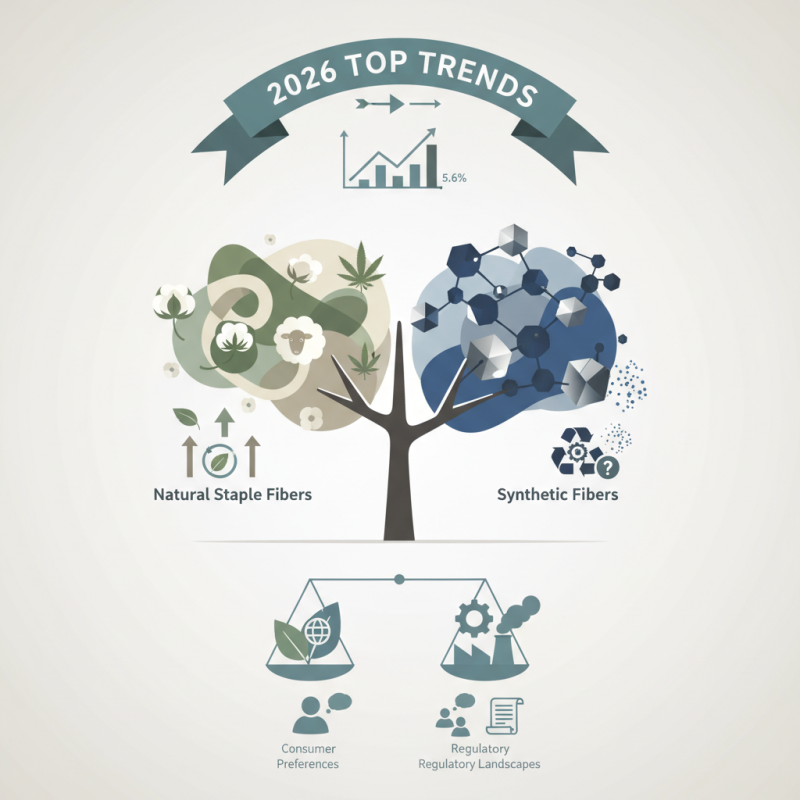
The staple fibers industry is undergoing significant changes as we approach 2026. With a growing demand for sustainability, the market is expected to shift. A report from Market Research Future predicts that the global staple fibers market will grow at a CAGR of 5.6%. This growth indicates an increased reliance on innovative materials and applications.
Natural staple fibers are gaining attention. Cotton, wool, and hemp are becoming popular due to their eco-friendly nature. A study from Textile Intelligence highlights that demand for organic cotton has skyrocketed by 30% in recent years. However, challenges remain. The availability of quality natural fibers can be inconsistent and prices may fluctuate.
The synthetic fibers segment is also evolving. Innovations in recycling technologies are emerging, but concerns about microplastics linger. While polyester remains dominant, new alternatives are being explored. It’s vital for the industry to balance growth with environmental responsibilities. Stakeholders must adapt quickly to changing consumer preferences and regulatory landscapes to thrive.
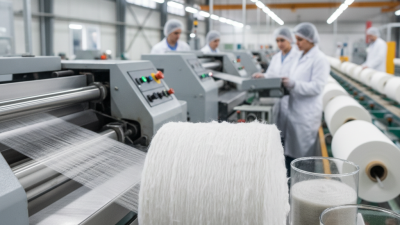
The staple fiber industry is on the brink of innovation. Future production techniques will significantly improve efficiency and sustainability. For example, advanced spinning methods may reduce energy use. These techniques aim to create finer, stronger fibers with less waste.
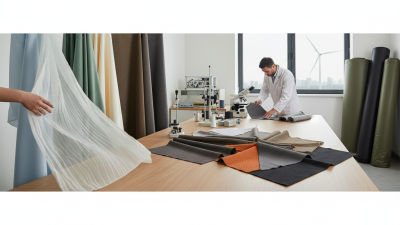
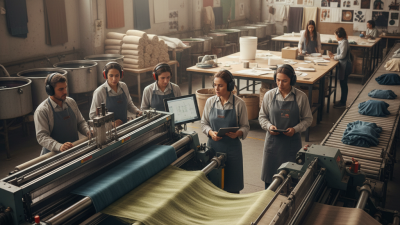
Tips for staying ahead: Embrace emerging technologies. Regular training for workers is essential. Familiarity with new tools can drive greater productivity. Explore new materials that may enhance the quality of staple fibers.
Moreover, the shift towards eco-friendly practices cannot be ignored. Innovations in recycling will play a role in future production. Using sustainable resources fosters a positive industry image. Companies must be willing to adapt and reevaluate their current methodologies. This process of change can be challenging. Yet, it offers opportunities for growth and development.
Stay curious and open to changes in the market. Being aware of new trends will keep businesses competitive. It’s important to reflect on existing practices and identify areas for improvement. The future of staple fibers is bright but requires a willingness to evolve.
The staple fiber industry is witnessing a significant shift towards sustainability. According to recent reports, about 50% of consumers prioritize eco-friendly materials when making purchasing decisions. This shift is reshaping production processes. Companies are exploring recycled fibers, biodegradable materials, and innovative production techniques to minimize environmental impacts.
The demand for sustainable practices has led to rapid developments. A study by the Fiber and Textile Research Institute indicates that recycled staple fibers can reduce water usage by up to 70%. This statistic highlights the need for manufacturers to adopt sustainable sourcing strategies. However, challenges remain. The infrastructure for recycling is still underdeveloped in many regions.
The industry faces a critical question: how to balance sustainability with profitability? Analysts suggest that businesses must invest in green technologies. They should also educate consumers on the benefits of sustainable fibers. Only then can the staple fiber sector thrive while meeting eco-conscious expectations.
The demand for staple fibers is seeing a shift. Emerging markets are driving changes in applications. According to a recent report by Global Market Insights, the staple fiber market is projected to reach over $48 billion by 2026. This growth is attributed to increasing consumer preferences in sectors like textiles, automotive, and construction.
In textiles, the trend favors sustainable and eco-friendly fibers. Consumers are becoming more conscious. They prefer products that are both functional and environmentally friendly. The rise of recycled staple fibers is a notable response. This fabric type caters to a niche but growing segment of eco-conscious buyers. Notably, the Asia-Pacific region leads in this demand, fueled by fast fashion influences.
Tips: Explore local suppliers for sustainable materials. Understand consumer preferences to stay competitive. Identify emerging trends to adapt quickly.
In the automotive sector, staple fibers are increasingly used for lightweight composites. Manufacturers are seeking ways to meet stricter regulations on emissions. Using organic fibers can help achieve these goals. The challenge lies in maintaining durability while also being sustainable. Balancing these aspects requires constant innovation and testing.
Success in the staple fiber industry means adapting to these emerging demands. New applications will continue to change the landscape. However, businesses must also reflect on their sustainability impacts and consumer trust in products.
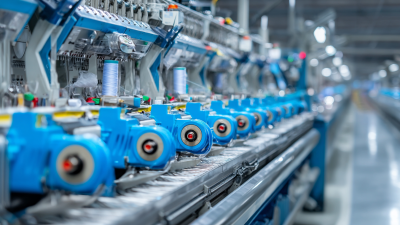
The landscape of fiber processing machinery is evolving rapidly. Advanced technology is transforming how staple fibers are produced. Machines now offer higher precision and efficiency. Smart automation is becoming essential. These innovations reduce waste and enhance sustainability.
Manual processes are declining. New equipment can analyze fiber quality on the fly. This real-time feedback supports better decision-making. Yet, not all advancements are trouble-free. The learning curve for operators can be steep. Some machines may require complex programming skills.
Sustainability remains a focal point in design. Machinery that uses less energy is vital. However, implementing these changes in existing systems poses challenges. The balance between modern efficiency and traditional methods is delicate. Many companies find adjustments difficult. They must navigate this transition carefully.
| Trend | Description | Expected Impact | Technological Innovation |
|---|---|---|---|
| Sustainability | Increased focus on eco-friendly fibers and production processes. | Reduced environmental impact and increased consumer demand for sustainable products. | Innovative recycling technologies and biodegradable materials. |
| Smart Fibers | Integration of sensors and IoT in textile fibers for enhanced functionalities. | Ability to monitor health metrics and environmental conditions. | Development of conductive and responsive materials. |
| Automation | Increased automation in fiber production and processing technologies. | Higher efficiency and lower labor costs in production lines. | Advanced robotics and AI-driven machinery. |
| Customization | Tailoring fibers to specific consumer needs and market demands. | Increased consumer satisfaction and market competitiveness. | Flexible manufacturing systems and digital printing technologies. |
| Bio-Fibers | Rise in the use of natural and bio-based fibers. | Shift towards more sustainable and health-conscious textiles. | Advancements in bio-fabrication methods. |
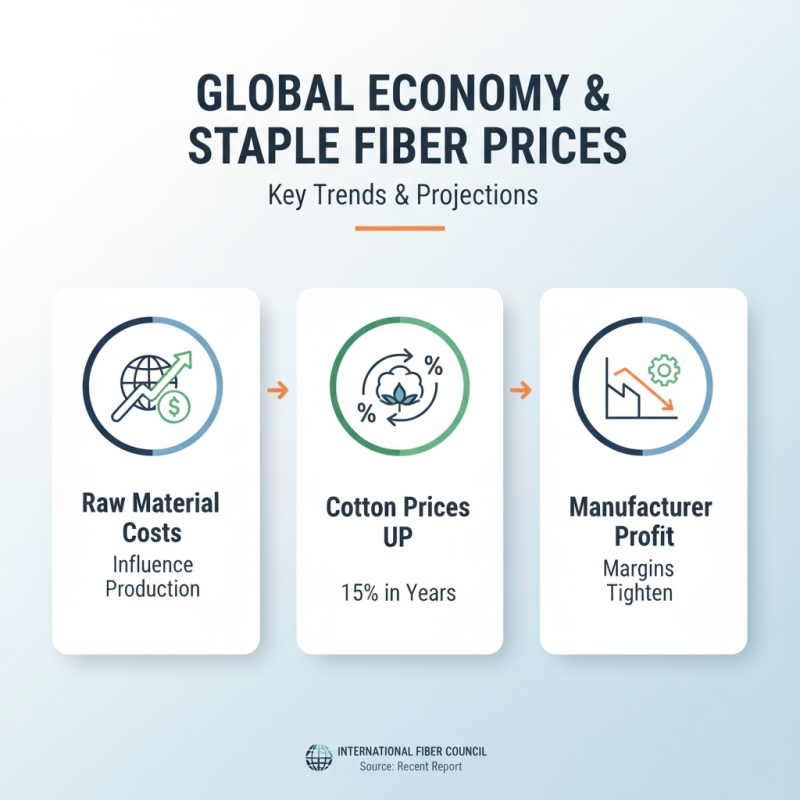
The global economy shows a clear influence on staple fiber pricing and supply dynamics. According to a recent report by the International Fiber Council, fluctuations in raw material costs significantly impact production. For instance, cotton prices are projected to rise by 15% over the next two years. This increase can lead to tighter profit margins for manufacturers.
Trade policies also play a crucial role. Tariffs and restrictions can disrupt supply chains. Countries like China and India are key players in fiber production. Any change in their export policies could ripple through the global market. The fluctuating demand from the fashion industry further complicates the situation. Forecasts indicate that synthetic fibers will maintain a steady growth rate of around 4% annually, driven by the demand for performance textiles.
Consumer preferences are shifting towards sustainable options. This shift could challenge traditional suppliers. The need for eco-friendly materials is rising but often lacks adequate supply chain support. Companies may struggle to balance this demand with cost efficiency. Increased scrutiny on environmental impacts could push prices higher. Industries must adapt quickly or risk losing market share.