Top 10 Benefits of Polyester Fabric Material for Global Buyers?
Polyester Fabric Material has revolutionized the textile industry. Its widespread use reflects a significant trend among global buyers, driven by the material's diverse benefits. According to a report by Grand View Research, the polyester market is projected to reach USD 172.8 billion by 2025, highlighting its growing importance.
In today's fast-paced world, durability, comfort, and affordability are critical for consumers. Polyester offers all three, making it a staple in various applications, from clothing to home textiles. Data from the Textile Exchange indicates that polyester accounted for nearly 52% of global fiber production in 2021. This figure speaks volumes about its prevalence and preference over other materials.
Despite its advantages, polyester is not without its challenges. Sustainability concerns about plastic pollution arise in discussions of its production and disposal. Buyers must navigate these complexities while recognizing the value polyester brings to their products. Balancing benefits with potential drawbacks is crucial for informed purchasing decisions.
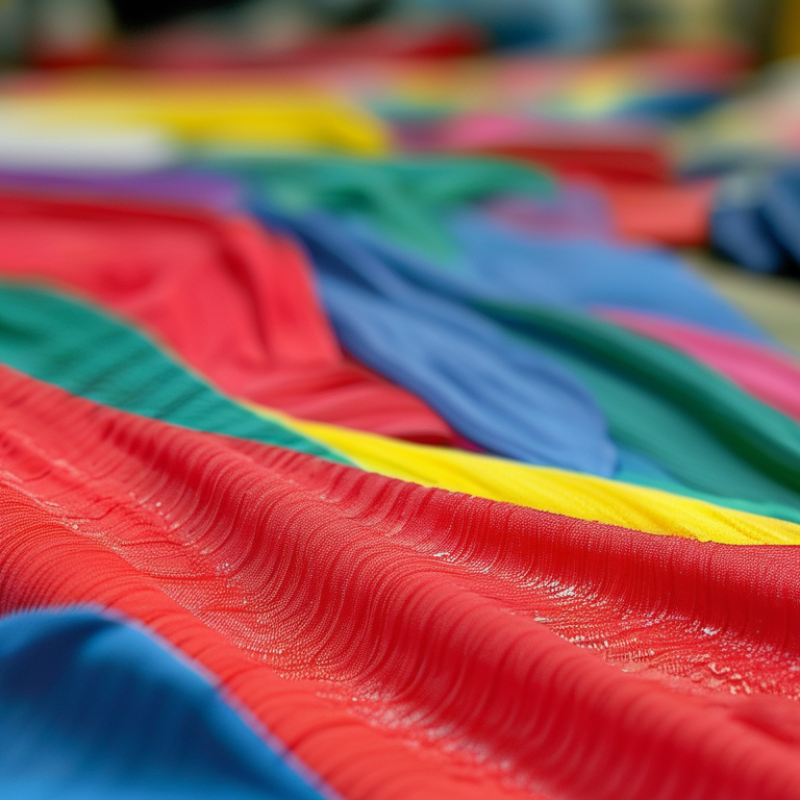
Advantages of Polyester Fabric: An Overview for Global Buyers
Polyester fabric has gained immense popularity globally, thanks to its numerous advantages. For instance, it is known for its durability and resistance to wrinkles. A report by Textile World states that polyester is five times stronger than cotton. This durability makes it ideal for various applications, from clothing to upholstery.
Another notable benefit is cost-effectiveness. Polyester is cheaper to produce than many other fabrics. According to a study by Research and Markets, the global polyester market size is expected to reach $98.78 billion by 2027. This growth reflects the fabric's accessibility and appeal to buyers worldwide. Additionally, polyester's moisture-wicking properties enhance comfort, making it a popular choice for activewear.
However, there are challenges associated with polyester. While it is quick-drying, it may not be as breathable as natural fibers. This can lead to discomfort in hot climates. Moreover, the environmental impact of polyester production raises questions about sustainability. As more consumers seek eco-friendly options, the industry is under pressure to innovate and improve. These factors highlight the complexity of selecting polyester as a fabric choice. Global buyers must weigh the benefits against potential drawbacks when making decisions.
Durability and Strength: Why Polyester Outperforms Other Fabrics
Polyester fabric has emerged as a top choice for various applications due to its remarkable durability and strength. Unlike natural fibers, polyester withstands wear and tear effectively. This durability makes it ideal for everyday clothing and heavy-use items, such as upholstery. Polyester resists shrinking and stretching, ensuring long-lasting performance. Additionally, it maintains its shape, even after multiple washes. This resilience is a defining feature, setting polyester apart from many other fabrics available today.
Furthermore, polyester excels in harsh conditions. It is resistant to mildew and quick to dry, making it suitable for both indoor and outdoor use. This quick-drying property is particularly beneficial for sportswear and active apparel. However, buyers should be aware that while polyester is strong, it is not biodegradable. This raises concerns about environmental impact. There’s an ongoing dialogue about sustainable alternatives. Each buyer needs to reflect on their choices carefully. Overall, polyester's durability offers significant advantages, but it also invites careful consideration of its lifecycle.
Cost-Effectiveness of Polyester: A Budget-Friendly Option for Buyers
Polyester fabric has gained popularity due to its cost-effectiveness. Buyers often find it an attractive option for budget-conscious projects. The affordable nature of polyester allows for the production of various textiles without breaking the bank. This is especially beneficial for those looking to create clothing, home fabrics, or promotional materials.
In addition to its affordability, polyester is durable. It resists wear and tear, making it ideal for everyday use. While the initial investment is low, the long-term value is significant. However, some may overlook the environmental impact of polyester production. Sustainable practices in manufacturing are crucial for minimizing this drawback. Balancing cost and ecological responsibility is a challenge for many buyers.
Another aspect to consider is maintenance. Polyester is easy to clean and dries quickly. This convenience appeals to many consumers. Still, some fabrics may not breathe well, leading to discomfort in certain conditions. Understanding these trade-offs is essential when selecting polyester options. Overall, polyester stands out for its affordability and practical uses, but buyers should remain informed about its limitations.
Versatility of Polyester: Applications Across Various Industries
Polyester fabric has become a staple in various industries due to its remarkable versatility. In fashion, it allows for a broad range of styles, from casual wear to formal garments. Its ability to hold vibrant colors makes it a favorite among designers. Additionally, polyester is lightweight, making it perfect for clothing that needs to be breathable yet durable.
In the world of home furnishings, polyester is often used in upholstery and curtains. Its resistance to wrinkles and fading makes it an ideal choice for products that endure daily use. The fabric is easy to clean, which appeals to busy households. However, there are ongoing discussions about its environmental impact. Many consumers reflect on whether opting for polyester is truly sustainable.
The automotive and industrial sectors also utilize polyester. It is found in seat covers and safety gear due to its strength. Yet, manufacturers face challenges in balancing cost and quality. The innovations in polyester recycling are promising but still need refinement. Overall, polyester's role in different industries showcases its adaptability and importance, while inviting ongoing evaluation of its long-term effects.
Top 10 Benefits of Polyester Fabric Material for Global Buyers
| Benefit | Description | Applications | Industry |
| Durability | Resistant to wear and tear, ensuring longevity of products. | Clothing, upholstery | Textile |
| Versatility | Can be blended with other fibers for diverse applications. | Sportswear, home textiles | Fashion and furnishing |
| Moisture-wicking | Draws moisture away from the body, keeping users dry. | Activewear, outdoor gear | Sports and outdoor |
| Colorfastness | Holds dye well, maintaining color after washing. | Clothing, accessories | Apparel |
| Easy Care | Resistant to wrinkles, shrinking, and stretching. | Everyday clothing, home furnishings | Domestic and commercial |
| Affordability | Generally more cost-effective than natural fibers. | Mass-produced clothing, textiles | Fashion industry |
| Lightweight | Lightweight fabric contributes to ease of wear and transport. | Camping gear, travel accessories | Outdoor products |
| Insulation | Provides warmth without bulk, ideal for outerwear. | Winter clothing, insulation layers | Fashion and outdoor apparel |
| Recyclability | Can be recycled, contributing to sustainable practices. | Recycled products, sustainable fashion | Eco-friendly initiatives |
Sustainability Trends: The Future of Polyester Fabric in Eco-Friendly Fashion
Polyester fabric is increasingly seen as a sustainable choice in the eco-friendly fashion movement. Recent studies show that between 2021 and 2023, the production of recycled polyester from PET bottles has surged by over 25%. This shift indicates a growing recognition of polyester's potential to reduce waste in the fashion industry. By recycling plastic waste, brands can minimize their carbon footprint, while still providing high-quality fabric options to consumers.
However, challenges remain. The process of recycling polyester still relies heavily on energy-consuming methods, raising questions about its overall sustainability. For instance, a report from the Textile Exchange highlights that while recycled polyester uses less energy compared to virgin polyester, it still contributes to greenhouse gas emissions. Thus, it is essential for manufacturers to innovate and adopt cleaner technologies for recycling processes.
Moreover, consumer awareness is critical. According to a survey by Fashion Revolution, 67% of consumers want to know how their clothes are made. This trend puts pressure on brands to be transparent, revealing the full lifecycle of their products. The future of polyester in eco-friendly fashion will depend on collaborative efforts among stakeholders to improve practices and educate consumers about responsible choices.


 No. 85 “Alexander Malinov” Blvd,
1715 Sofia, Bulgaria
No. 85 “Alexander Malinov” Blvd,
1715 Sofia, Bulgaria +359 2 953 0387
 sale@chemicalmojo.com