Top 10 Benefits of Polyester Staple Fiber in Everyday Products?
Polyester staple fiber has become a cornerstone in various everyday products. Its versatility makes it a popular choice in textiles, insulation, and many other applications. This synthetic fiber is affordable, durable, and easy to care for. It provides benefits that enhance comfort and practicality.
In the world of fashion, polyester staple fiber is often blended with cotton or wool. This blend offers the comforting feel of natural fibers while maintaining resilience. Additionally, polyester fibers have remarkable moisture-wicking properties. They pull sweat away from the skin, keeping wearers dry.
However, reliance on polyester has its downsides. Recycling it can be challenging, leading to environmental concerns. Moreover, not all consumers are aware of the consequences of using such synthetic materials. A closer look at these benefits and challenges reveals a complex relationship with polyester staple fiber, one that invites deeper reflection on sustainability and consumer choices.
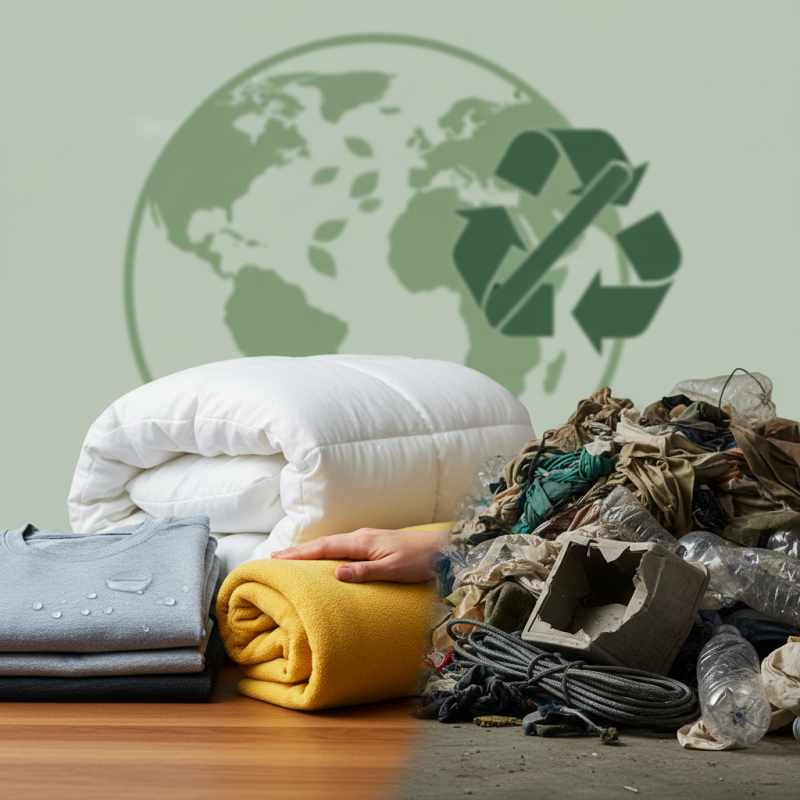
Advantages of Polyester Staple Fiber in Textile Production
Polyester staple fiber has become a popular choice in textile production. Its lightweight and durable nature makes it suitable for various everyday products. From clothing to upholstery, polyester is flexible and resilient. The fiber resists wrinkling and shrinking, which means less maintenance for consumers. This characteristic also leads to longer-lasting products, reducing the need for frequent replacements.
Another advantage is versatility. Polyester can blend well with other fibers, enhancing different fabric qualities. It can take on various textures and appearances, allowing designers to be creative. This adaptability makes it a favorite for both fashion and functional textiles. However, there is a downside. The environmental impact of polyester production raises concerns. The process often involves substantial energy use and can create waste.
Despite these challenges, polyester staple fiber remains essential. Its benefits in affordability and performance are significant in everyday textile applications. The convenience it offers comes with a need for continuous reflection on sustainability practices. As the industry evolves, balancing performance and environmental responsibility is crucial.
Impact of Polyester Staple Fiber on Comfort and Durability
Polyester staple fiber has significantly impacted the textile industry. Its lightweight nature contributes to comfort in clothing and home products. A report by the Textile World indicates that polyester accounts for over 50% of all manufactured fibers. This dominance reflects its practicality and versatility.
Comfort levels in garments increase with polyester fiber. It effectively wicks moisture away, keeping wearers dry. Fabrics made from polyester can maintain their shape while being soft to the touch. This fiber's durability is also noteworthy. It resists abrasion and fading, which can extend the life of everyday products.
Tips: When selecting polyester products, check for blends. Blends with cotton can enhance comfort while retaining durability. Stay aware of environmental concerns related to synthetic fibers. Choosing recycled polyester options can reduce your footprint.
Polyester is not without flaws. It can trap heat, making it less suitable for hot climates. Some users report skin irritations due to synthetic fibers. Awareness of these aspects is crucial when choosing daily-use items made from polyester staple fiber.
Role of Polyester Staple Fiber in Sustainable Fashion Innovations
Polyester staple fiber plays a vital role in sustainable fashion innovations. Its versatility allows designers to create eco-friendly fabrics. These fabrics often use recycled materials, reducing waste. As a result, brands can minimize their environmental impact. By incorporating this fiber, they can appeal to eco-conscious consumers. The growing demand for sustainable textiles drives innovation in this sector.
However, challenges remain. Recycling polyester fibers is not always straightforward. The process can be energy-intensive and not completely efficient. This raises questions about overall sustainability. While the fiber reduces the use of virgin materials, the energy consumption for recycling can offset some benefits.
Moreover, not all polyester is created equal. Some products may still rely on non-renewable resources. Consumers must investigate the supply chain of the fabrics they choose. Awareness and education are crucial for making informed choices. Designers should strive for transparency and ethical practices. This ongoing journey requires reflection and improvement in sustainable fashion.
Applications of Polyester Staple Fiber in Home Furnishings
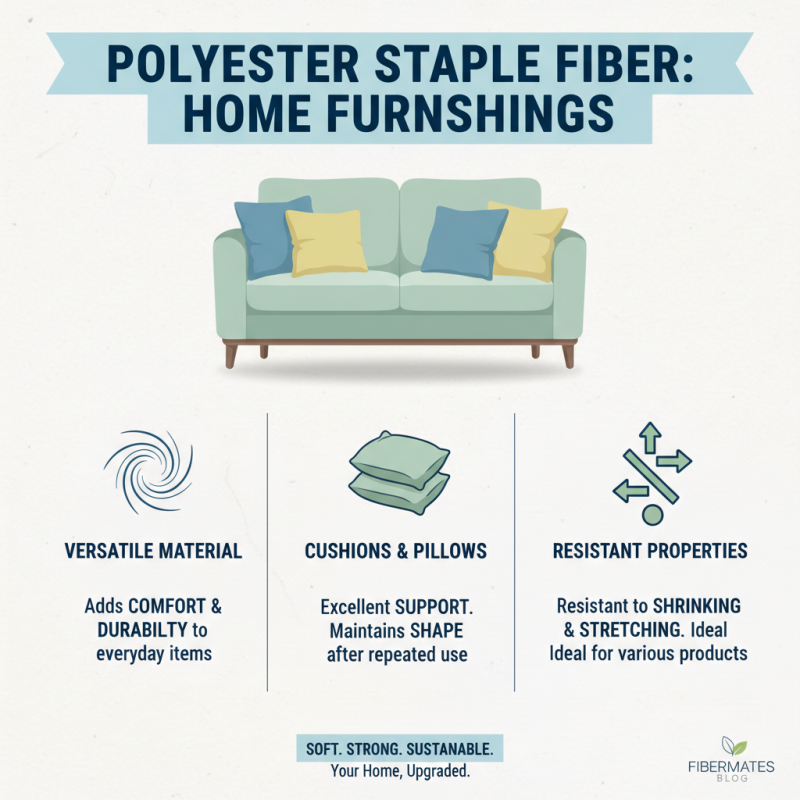
Polyester staple fiber is a versatile material used in many home furnishings. It adds comfort and durability to everyday items. Cushions and pillows filled with polyester staple fiber offer excellent support. They maintain their shape well, even after repeated use. This fiber is also resistant to shrinking and stretching, making it ideal for various products.
When it comes to bedding, polyester staple fiber provides warmth without adding too much weight. It is hypoallergenic, which is a great advantage for sensitive individuals. You can find it in comforters, mattress pads, and blankets. These products often require less frequent washing, saving water and energy.
**Tip:** Choose home furnishings labeled as machine washable. This makes cleaning easier and keeps your items fresh. Pay attention to the fiber blend as well. Sometimes, it's mixed with other materials for added benefits.
Polyester staple fiber is not flawless. Over time, it can lose its loft. It may flatten in high-use areas rather quickly. Regular fluffing helps maintain its volume. Consider rotating your cushions and pillows to ensure even wear and prolong their life.
Economic Benefits of Using Polyester Staple Fiber in Manufacturing
Polyester staple fiber offers significant economic benefits for manufacturers. It’s a cost-effective material that lowers production expenses. This fiber can be produced at scale, leading to economies of scale. Consequently, manufacturers can enjoy lower costs per unit. Reduced material costs often translate into competitive pricing for consumers.
Using polyester staple fiber can enhance product performance. It provides durability and resistance to wrinkles, making end products last longer. This longevity can reduce the frequency of replacement, benefitting both consumers and manufacturers financially. However, it's worth noting that some may overlook the environmental impact of synthetic fibers. Recycling options are not always easily accessible, presenting a dilemma for sustainable practices.
Investing in polyester staple fiber comes with opportunities for innovation. Manufacturers can experiment with blends, incorporating it into various products. This versatility can broaden market appeal. Yet, the reliance on synthetic fibers raises questions about resource dependency. Balancing economic benefits with ecological responsibility remains a challenge for the industry.


 No. 85 “Alexander Malinov” Blvd,
1715 Sofia, Bulgaria
No. 85 “Alexander Malinov” Blvd,
1715 Sofia, Bulgaria +359 2 953 0387
 sale@chemicalmojo.com