Top 10 Benefits of Using Polyester Yarn in Textile Industry?
Polyester yarn has become a staple in the textile industry due to its numerous advantages. This synthetic fiber is known for its versatility and durability. It is widely used in clothing, upholstery, and industrial fabrics. Polyester yarn offers exceptional strength, making it resistant to wear and tear. Its ability to hold color well enhances the vibrancy of textile products.
Moreover, polyester yarn is lightweight, which makes it ideal for various applications. Consumers often prefer it for everyday clothing as it maintains shape and resists wrinkles. However, it is essential to reflect on the environmental impact of polyester production. While it provides many benefits, the sustainability of using synthetic fibers remains a concern. Balancing these aspects is crucial for the industry's future.
Ultimately, polyester yarn plays a vital role in modern textiles. Its benefits are significant, but awareness of ecological issues is necessary. The textile industry must innovate to mitigate these concerns while continuing to harness the positive qualities of polyester yarn.
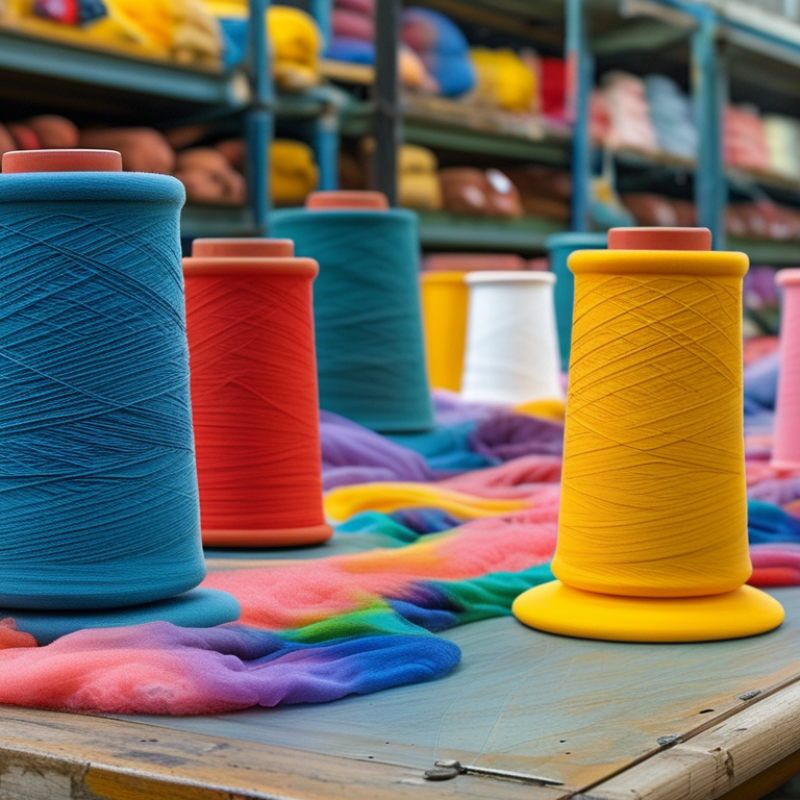
Benefits of Polyester Yarn: Durability and Longevity in Textiles
Polyester yarn has gained immense popularity in the textile industry. Its durability stands out as a key feature. Reports indicate that polyester fabrics can last significantly longer than natural fibers, with a lifespan spanning over 50 years under optimal conditions. This longevity reduces the frequency of replacements, making polyester a cost-effective option for manufacturers and consumers alike.
Moreover, polyester yarn maintains its strength even when wet. Unlike cotton, which can weaken when wet, polyester retains its structural integrity. It also resists shrinking and stretching, allowing it to maintain shape over time. According to industry studies, fabrics made from polyester typically show less than 1% shrinkage after multiple washes, making them ideal for everyday wear.
However, the production of polyester does raise important questions about environmental impact. While its durability is a clear advantage, the plastic nature of polyester raises concerns regarding sustainability. As the textile industry shifts towards eco-friendliness, addressing these issues is crucial. By focusing on recycling methods and developing biodegradable options, the industry can overcome these challenges while maintaining the benefits of polyester yarn.
Top 10 Benefits of Using Polyester Yarn in Textile Industry
Cost Effectiveness of Polyester Yarn Compared to Other Fibers
Polyester yarn has gained traction in the textile industry, primarily due to its cost-effectiveness. When comparing polyester to natural fibers, the price point stands out. Polyester yarn is typically cheaper to produce and source. This affordability allows manufacturers to maintain lower production costs, which can translate to savings for consumers.
Many manufacturers appreciate polyester for its durability and resistance to shrinking. This means that products made from polyester tend to last longer, reducing the need for frequent replacements. Consumers appreciate this longevity, as it offers value over time. Polyester's quick-drying property also appeals to many. It often outperforms natural fibers in terms of maintenance and ease of cleaning.
**Tip:** When choosing yarns, consider the specific application. For items that require durability, polyester is ideal.
It's also essential to reflect on the environmental impact of polyester. While it is cost-effective, the reliance on synthetic fibers poses concerns about sustainability. An over-reliance on polyester may lead to challenges such as microplastics in our oceans.
**Tip:** Explore blended fabrics. Mixing polyester with natural fibers can create a balance, offering both cost savings and environmental benefits.
Moisture Resistance and Breathability of Polyester Yarn
Polyester yarn is widely recognized for its moisture resistance and breathability, making it a popular choice in the textile industry. This synthetic fiber excels at wicking away sweat from the body. As a result, it helps maintain comfort during physical activities. When woven into fabric, polyester allows air to circulate, improving overall wearability.
Despite its advantages, there are some drawbacks to consider. While polyester is moisture-resistant, it might not offer the same level of breathability as natural fibers like cotton. This can lead to discomfort in extremely hot conditions. Additionally, prolonged exposure to high humidity can sometimes compromise its moisture-wicking ability. Experimenting with blends of polyester and natural fibers may provide a better balance of comfort and functionality.
On top of its moisture management capabilities, polyester yarn is durable. It resists mildew and holds its shape well. The ability to withstand wear makes it suitable for various applications. However, sustainability concerns arise due to its reliance on petroleum-based products. Exploring eco-friendly alternatives or recycling practices is essential for the future of the industry. Manufacturers and consumers should reflect on these impacts while enjoying the benefits of polyester yarn.
Versatility of Polyester Yarn in Various Textile Applications
Polyester yarn has gained significant popularity in the textile industry. Its versatility stands out in various applications. It is commonly used in clothing, home textiles, and industrial goods. The ability to blend easily with other fibers enhances its appeal. This makes it suitable for producing diverse fabrics, from soft apparel to durable upholstery.
The unique properties of polyester yarn contribute to its adaptability. It is lightweight yet strong, resistant to stretching and shrinking. Also, it dries quickly compared to natural fibers. This quick-drying feature makes it an excellent choice for activewear and swimwear. However, environmental concerns arise due to its synthetic nature. The industry is pondering sustainable alternatives.
In terms of appearance, polyester yarn can mimic the look of natural fibers. It can take on vibrant colors, providing endless design possibilities. Before deciding on its use, manufacturers must consider both practical benefits and environmental impact. Balancing innovation with sustainability is crucial as the industry evolves. This ongoing reflection shapes the future of polyester in textiles.
Eco-Friendly Advances in Polyester Yarn Production and Recycling
The textile industry is making strides in sustainability, particularly in the production and recycling of polyester yarn. Recent studies by the Textile Exchange show that polyester accounts for about 52% of the global fiber market. Innovations in recycling processes have improved significantly. For example, one recycling method can reduce energy consumption by up to 60%, compared to virgin polyester production.
These eco-friendly advances demonstrate the potential of polyester as a sustainable option. The use of recycled polyester helps divert waste from landfills, creating a circular economy. Approximately 20 million tons of post-consumer PET bottles are recycled each year, turning waste into valuable materials for textile manufacturing. This process not only reduces plastic usage but also lowers carbon emissions and energy consumption.
Tip: Consider supporting brands that prioritize recycled materials. Look for certifications that indicate sustainable practices. Small choices can contribute to a larger impact.
Despite advancements, challenges remain in achieving higher recycling rates. Industry experts note that while technology is rapidly evolving, consumer awareness is crucial. Greater understanding of recycling processes can lead to more responsible consumer behavior. Education initiatives can play a pivotal role in elevating awareness around sustainable textiles. Understanding the journey of polyester from waste to fabric can inspire more eco-conscious choices.





 No. 85 “Alexander Malinov” Blvd,
1715 Sofia, Bulgaria
No. 85 “Alexander Malinov” Blvd,
1715 Sofia, Bulgaria +359 2 953 0387
 sale@chemicalmojo.com