Top 10 Benefits of Using Sheet Polyethylene for Your Projects?
Sheet Polyethylene is increasingly popular in various projects due to its unique properties. This versatile material provides a range of benefits that can enhance both functionality and aesthetics. Constructed from ethylene, it boasts durability and resilience, making it suitable for numerous applications.
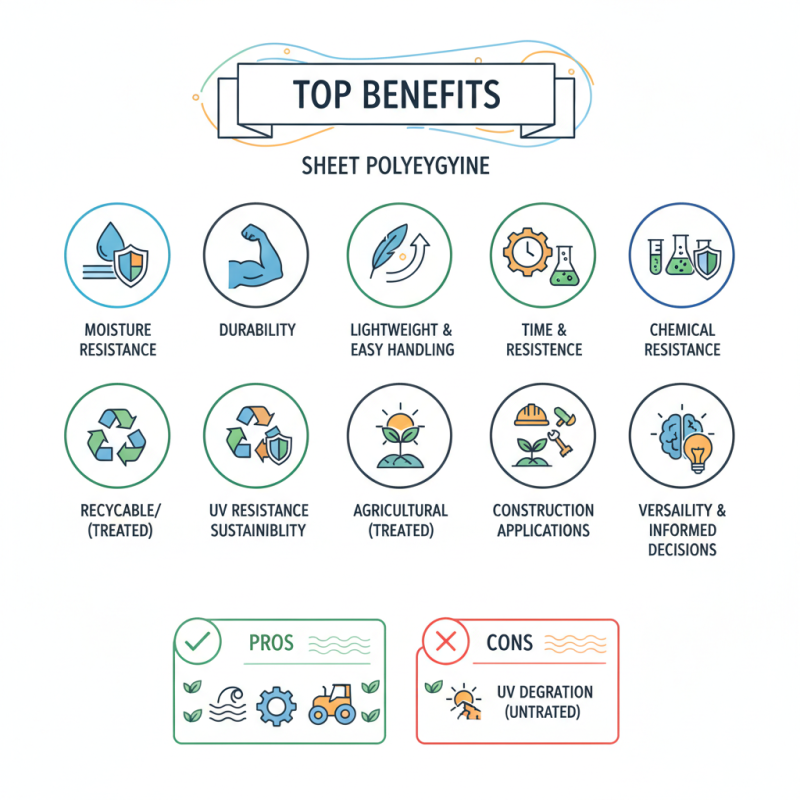
One major advantage of sheet polyethylene is its resistance to moisture. This property makes it ideal for construction and agricultural uses. Additionally, its lightweight nature allows for easy handling and installation. Projects can often be completed more efficiently, saving both time and resources. The material is also chemical-resistant, which adds to its appeal in various environments.
Furthermore, sheet polyethylene is recyclable, aligning with sustainability goals. However, users must consider potential downsides, such as UV degradation over time if not properly treated. It’s essential to weigh these factors when incorporating sheet polyethylene into your projects. Understanding its benefits and limitations can lead to more informed decisions and better outcomes.
Advantages of Sheet Polyethylene in Construction and Design Applications
Sheet polyethylene is increasingly being used in construction and design projects due to its unique advantages. Its lightweight nature makes it easier to handle and transport compared to traditional materials. According to industry reports, polyethylene sheets weigh 30% less than similar alternatives, which can significantly reduce shipping costs. This is not only economical but also enhances efficiency on-site.
In addition to its weight, sheet polyethylene is highly resistant to water and moisture. This characteristic is crucial in construction, especially in damp environments. Studies show that using polyethylene sheets can lower water damage claims by 40%. Their durability also extends the lifespan of various applications, from roofing to foundation liners. Moreover, the material is recyclable, which aligns with the growing trend of sustainable construction practices.
Despite these benefits, it's important to recognize limitations. Polyethylene may not be suitable for all structural applications. For instance, it requires careful handling in high-temperature environments. Professionals should assess each project's specific needs. This approach ensures optimal performance while considering the material's constraints. Overall, the advantages of sheet polyethylene are clear, but understanding its boundaries is equally vital.
Top 10 Benefits of Using Sheet Polyethylene for Your Projects
| Benefit | Description |
| Durability | Sheet polyethylene is resistant to impact, moisture, and various chemicals, making it ideal for construction. |
| Lightweight | Its low density allows for easy handling and installation, reducing labor costs. |
| Waterproof | Provides excellent protection against water infiltration, crucial for many projects. |
| Cost-Effective | Offers a budget-friendly solution without sacrificing quality or performance. |
| Versatility | Can be used in a wide range of applications, from construction to packaging. |
| UV Resistance | Special formulations provide resistance to UV light, extending the life of outdoor projects. |
| Easy to Fabricate | Can be easily cut, welded, or shaped to meet specific project needs. |
| Non-Toxic | Safe for use in applications that require contact with food or sensitive materials. |
| Recyclable | Many polyethylene sheets are recyclable, contributing to environmental sustainability. |
Durability and Resistance: Why Polyethylene Stands Out
When it comes to durability and resistance, sheet polyethylene is often the material of choice across various industries. Its exceptional tensile strength makes it capable of withstanding heavy loads and impacts. Reports from the American Society for Testing and Materials indicate that polyethylene can endure stress levels that other materials may falter under. This inherent strength allows polyethylene sheets to last longer, providing a reliable solution for projects ranging from construction to packaging.
Additionally, polyethylene exhibits remarkable resistance to moisture and chemicals. This makes it suitable for outdoor applications where exposure to harsh weather occurs. A study by the Plastics Industry Association found that polyethylene maintained its integrity after prolonged exposure to UV rays, crucial for any outdoor project. However, the recycling of this material poses challenges. While it is technically recyclable, the process can be complex and varies by region, leading to concerns about environmental sustainability.
Moreover, polyethylene sheets are lightweight, enhancing ease of transport and installation. This lightweight characteristic sometimes leads to underestimation of their durability. Users may overlook the long-term benefits of investing in high-quality polyethylene. It's essential to weigh the pros and cons before making a choice. Factors like cost, availability, and intended use should always be considered for optimal results.
Top 10 Benefits of Using Sheet Polyethylene for Your Projects
This bar chart illustrates the top ten benefits of using sheet polyethylene in various projects. Each benefit is rated on a scale from 0 to 100, showcasing the strengths of polyethylene in durability, resistance to water and chemicals, and overall cost-effectiveness, making it an excellent choice for construction and packaging applications.
Cost-Effectiveness: Budget-Friendly Solutions with Polyethylene Sheets
When it comes to cost-effectiveness, polyethylene sheets stand out in various applications. A report from the Plastics Industry Association states that polyethylene products are cheaper to produce than many alternatives, making them ideal for budget-conscious projects. Using polyethylene sheets can reduce material costs by up to 30%. This significant savings can be beneficial for large-scale projects where budget constraints are critical.
In addition to low upfront costs, polyethylene's durability contributes to long-term savings. According to a study by the American Society for Testing and Materials, polyethylene has a lifespan that can exceed 20 years under proper conditions. This means fewer replacements and lower maintenance costs. However, relying solely on low-cost materials may lead to compromises in quality. It's crucial to evaluate the specific project requirements and select the appropriate thickness and grade of polyethylene to avoid potential pitfalls.
The flexibility of polyethylene allows for versatile applications. It is lightweight, easy to handle, and quick to install. However, the mental shift towards more sustainable materials is necessary. Despite being affordable, the environmental impact of polyethylene can be substantial. This is where designers and contractors must reflect on the long-term implications of their choices, balancing cost savings with sustainability. Recognizing both the strengths and weaknesses of polyethylene is key to making informed project decisions.
Environmental Impact: Recycling and Sustainability of Polyethylene
Using sheet polyethylene presents notable benefits, particularly when considering its environmental impact. Polyethylene is highly recyclable, with reports indicating that over 70% of it can be reused effectively. This attribute allows for a reduction in landfill waste, making it a suitable choice for eco-conscious projects.
However, the process of recycling can be challenging. Contamination and improper disposal often hinder recycling efforts. Consequently, it is essential to educate users on proper disposal methods for polyethylene to maximize its environmental advantage.
Sustainability is another critical point to consider. Polyethylene is produced from a process that generates fewer greenhouse gases compared to many alternatives. Industry studies show that using recycled polyethylene can save up to 80% of energy consumption. Choosing this material contributes positively to reducing the carbon footprint. However, it’s important to recognize that not all polyethylene is recyclable in practice, and facilities may vary widely in capabilities.
Tips: Always check local recycling guidelines. Ensure that the polyethylene you use is clean and free from contaminants. Consider partnering with local recycling companies to promote awareness about proper disposal. Remember, small changes in handling can lead to significant sustainable impacts over time.
Versatile Applications: Uses of Polyethylene Across Various Industries
Polyethylene is widely used across various industries due to its versatility and durability. This material is found in packaging, construction, and medical supplies. According to a report by the Plastics Industry Association, the U.S. polyethylene production reached around 22 million metric tons in 2020. This solid demand underscores its essential role in various applications.
In the construction sector, polyethylene serves as vapor barriers and insulation. These applications help improve energy efficiency in buildings. The construction industry alone generated approximately $1.3 trillion in revenue in 2021, much of which relied on materials like polyethylene. However, there is an ongoing debate about the sustainability of such materials, emphasizing the need for eco-friendly alternatives.
The medical sector also benefits greatly from polyethylene. It's used in surgical gloves, medical packaging, and implants. A study published in the Journal of Medical Materials reported that over 75% of hospitals use polyethylene-based products for infection control. Despite its advantages, questions remain about the disposal of medical-grade polyethylene. Balancing its benefits with environmental concerns is essential for future developments.


 No. 85 “Alexander Malinov” Blvd,
1715 Sofia, Bulgaria
No. 85 “Alexander Malinov” Blvd,
1715 Sofia, Bulgaria +359 2 953 0387
 sale@chemicalmojo.com