Sourcing yarn acrylic globally requires more than comparing prices on a supplier website. Buyers must examine fiber quality, production consistency, minimum order quantities, and export experience. A reliable supplier should provide clear specifications, sample skeins, color cards, and recent test data. Small details matter. A loose twist may create uneven stitches. Poor dye control can produce visible shade differences between batches.
Textile scientist Dr. Seshadri Ramkumar offers a useful reminder: “Fiber performance depends on the application, not the label alone.” This principle guides the selection process behind this list of the 10 Best Acrylic Yarn Suppliers for Global Buyers. Each company should be assessed for yarn count, softness, pilling resistance, thermal behavior, packaging, and delivery reliability. Buyers should also confirm whether the supplier supports private labeling, recycled acrylic options, and customized blends. Claims require evidence. A polished catalog is not enough.
This guide focuses on practical purchasing conditions. It considers factory capacity, communication speed, certification transparency, and international shipping experience. A supplier with attractive pricing may still create hidden costs through inconsistent cones, delayed documentation, or unstable lead times. That risk deserves attention. However, no ranking can fit every buyer perfectly. A craft retailer may need flexible small orders, while a furniture manufacturer may prioritize bulk consistency. Readers should request samples and test them under real production conditions before signing a large contract. Even careful research has limits. Markets change, and supplier performance can vary by season, material availability, and order volume.
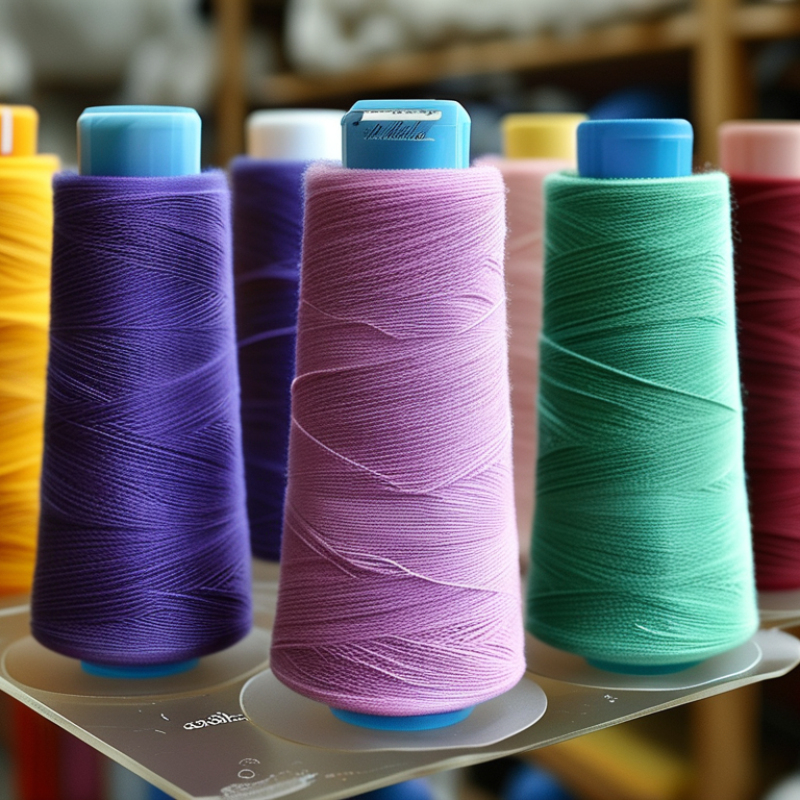
Acrylic yarn is a practical synthetic fiber for buyers seeking affordable, consistent textile materials. It is made from polymer fibers and can imitate the softness of wool. The material feels light, dries quickly, and keeps its color during regular use. These traits support sweaters, blankets, scarves, hats, socks, and craft products. Acrylic yarn also accepts bright dyes and performs well in machine knitting. However, it may pill after repeated friction and can retain heat in warm conditions. That weakness matters. A buyer should not judge quality by softness alone. During sample reviews, I check fiber feel, twist, tensile strength, shade consistency, and washing performance.
For global sourcing, selection should begin with clear technical requirements. Ask suppliers for fiber composition, yarn count, ply, package weight, and color references. Request test reports when the yarn will enter large-scale production. A 100% acrylic yarn may suit budget knitwear, while blended yarn can improve warmth or durability. Minimum order quantities, lead times, packaging, and shipping terms also affect the real purchase cost. Reliable suppliers explain these details without hiding limitations. Price alone is a weak measure. Market prices change with raw material costs, energy, labor, and freight conditions. I have found that small sample orders reveal problems early, although they cannot predict every production issue. Color matching can still vary between batches. Leave room for inspection and honest correction.
Acrylic is a lightweight synthetic fiber commonly used in sweaters, blankets, scarves, socks, upholstery, and craft yarns. Its low moisture regain helps it dry quickly, while its wool-like handle, color retention, and resistance to moth damage make it suitable for affordable everyday textiles.
The chart compares typical moisture-regain ranges at standard textile testing conditions of approximately 20°C and 65% relative humidity. Lower moisture regain generally indicates faster drying, although the final performance of acrylic yarn also depends on yarn structure, finishing, blend composition, and fabric construction.
When evaluating acrylic yarn suppliers for international purchasing, look beyond price. Check fiber composition, yarn count, twist, tensile strength, pilling resistance, and dye uniformity. Request recent test reports from accredited laboratories. Compare results with your required specification, not only the supplier’s product sheet.
Textile Exchange’s Materials Market Report 2024 estimated global fiber production at about 124 million tonnes in 2023. Synthetic fibers represented roughly three quarters of output, showing the scale of this supply chain. However, large production does not guarantee stable quality. Ask for batch records, production capacity, lead times, and export experience. Review at least three recent lots. Small shade differences can become expensive during bulk knitting. I have seen low quotations hide weaker packaging and inconsistent winding. That needs reflection.
Tips: Request a sample cone, sealed in export packaging. Test it after transport, not only in your laboratory. Confirm carton weight, moisture protection, labeling, and pallet details. Use the International Trade Centre’s Trade Map data to compare sourcing patterns and export values by market. Also verify certificates directly, including their scope and expiry date. A certificate without matching product details is weak evidence. Keep written approval samples and tolerance limits. Supply problems often begin with unclear expectations, not dramatic failures.
Choosing the ten best acrylic yarn suppliers requires more than comparing catalog prices. I would examine fiber softness, twist consistency, color accuracy, and delivery records. My own first shortlist was too broad. Several suppliers looked capable, but their sample lots varied noticeably.
The strongest options usually include a recycled-fiber specialist, a bulk manufacturer, a small-batch mill, and a custom-dyeing supplier. Other useful choices include a baby-yarn producer, a low-pilling specialist, a chenille yarn maker, a wholesale distributor, a private-label factory, and a fast-sampling exporter. Each category serves a different purchasing need. A sweater producer may prioritize softness, while a craft retailer may need reliable color matching.
Ask every supplier for technical data before placing a large order. Check fiber composition, yarn count, tensile strength, shrinkage, and recommended washing temperature. Request samples from separate production lots. One sample is not enough. Independent testing can verify restricted-substance compliance and colorfastness for the destination market. Confirm carton dimensions, minimum order quantities, payment terms, and replacement procedures for defective cones. Lead times also deserve attention during peak seasons. I have seen attractive quotations become expensive after port delays and repacking charges. Clear records matter. Keep approved shade cards, signed specifications, and inspection photographs for each shipment. A supplier that answers difficult questions directly may be more dependable than one offering the lowest price.
Choosing an acrylic yarn supplier requires more than comparing one quoted price. Textile Exchange’s 2024 Materials Market Report estimates global fiber production reached 124 million tonnes in 2023, with synthetic fibers representing 67%. This scale creates wide differences in acrylic quality, lead times, and production discipline.
Ask for recent test results covering count variation, pilling, colorfastness, and tensile strength. Request the same 100-gram sample in several shades. Small differences become obvious under warehouse lighting. Pricing should include yarn count, dyeing, packaging, shipping terms, and minimum order quantity. A cheaper quotation may hide higher sampling or inspection costs. Check monthly capacity, not only annual claims. Confirm whether machines are reserved during peak seasons.
Customization also needs measurable limits. Clarify fiber blend percentages, twist, softness, anti-pilling treatment, dye recipe control, and carton labeling. Independent laboratory testing can verify these details before bulk production. UN Comtrade data may help compare a supplier’s declared trade scale with market activity, although customs records are imperfect. My own early comparisons focused too heavily on unit price. That was a mistake. Capacity sounded impressive until delivery dates slipped. Buyers should score suppliers across quality, landed cost, capacity, documentation, and response time, then keep a small trial order before committing. The best supplier is not always the largest.
10 Best Acrylic Yarn Suppliers for Global Buyers
Choosing an acrylic yarn supplier requires more than comparing price lists. Textile Exchange’s 2024 Materials Market Report states that synthetic fibers represented about 67% of global fiber production in 2023. This scale creates many options, but quality varies sharply. Request samples from shortlisted suppliers. Check yarn count, twist, color consistency, pilling resistance, and wash performance. A soft first sample can still fail after repeated washing.
Ask each supplier for recent test reports, production capacity, minimum order quantity, and batch traceability. ISO-based colorfastness testing is useful for export decisions. Confirm whether the quoted price includes packaging, inland transport, and export documentation. Freight can change the real cost significantly. Use a written purchase specification, including tolerance limits and acceptable shade variation. I have seen buyers approve samples too quickly. That mistake is expensive.
Tips: Compare landed cost, not yarn price alone. Order a small pilot batch before a full shipment. Inspect random cones from different cartons. Verify payment terms and delivery dates in writing. If the supplier avoids technical questions, reconsider the relationship. Industry reports provide direction, not guarantees; supplier performance still needs independent checking. A third-party inspection may seem excessive, but it can reveal uneven winding, mixed lots, or damaged packaging before loading.
| Rank | Supplier Profile | Typical Supply Region | Core Acrylic Yarn Types | Common Yarn Count Range | Indicative MOQ | Customization Capability | Quality Documents to Request | Best Fit for Buyers |
|---|---|---|---|---|---|---|---|---|
| 1 | Large-Scale Acrylic Staple Yarn Mill | East and Southeast Asia | 100% acrylic, semi-worsted, worsted, high-bulk | Nm 8/1–Nm 60/1 | 500–2,000 kg per color | Custom counts, twist, cone weight, and color matching | Technical data sheet, lot test report, color approval, restricted-substance declaration | Importers requiring stable volume and repeat production |
| 2 | Certified Recycled Acrylic Supplier | Asia and Europe | Recycled acrylic blends, recycled-content yarn, mélange yarn | Nm 10/1–Nm 40/1 | 300–1,000 kg per color | Recycled-content percentages and blend ratios | Chain-of-custody certificate, recycled-content declaration, laboratory test report | Brands and wholesalers with sustainability requirements |
| 3 | Hand-Knitting Yarn Specialist | China, Türkiye, India, and Southeast Asia | Bulky, chunky, chenille-style, brushed, and novelty acrylic yarn | Nm 1/1–Nm 12/1 | 100–500 kg per color | Ball weight, label format, packaging, and private color cards | Yarn count report, washing instructions, colorfastness test, needle-size recommendation | Craft retailers, e-commerce sellers, and DIY product distributors |
| 4 | Anti-Pilling Acrylic Yarn Producer | East Asia and South Asia | Anti-pilling acrylic, soft-touch yarn, compact-spun yarn | Nm 10/1–Nm 50/1 | 500–1,500 kg per color | Softness, hairiness, pilling performance, and twist adjustments | Pilling test result, abrasion test, tensile strength, colorfastness report | Sweater, hosiery, blanket, and home-textile manufacturers |
| 5 | Solution-Dyed Acrylic Fiber Supplier | Europe, North America, and Asia | Solution-dyed acrylic, outdoor yarn, UV-resistant yarn | Nm 5/1–Nm 30/1 | 1,000–3,000 kg per color | UV performance, weather resistance, and custom shade development | UV-resistance report, lightfastness test, weathering data, fiber specification | Outdoor furniture, awning, marine, and performance-textile buyers |
| 6 | Low-MOQ Custom Color Supplier | South Asia and Southeast Asia | Dyed acrylic, mélange, space-dyed, and multicolor yarn | Nm 6/1–Nm 32/1 | 50–300 kg per color | Small-batch color matching, labels, packing, and sample development | Color approval card, shade tolerance, shrinkage data, pre-shipment inspection | Start-ups, seasonal collections, and test-market orders |
| 7 | Industrial Carpet Yarn Manufacturer | Europe, Türkiye, and Asia | BCF acrylic, bulk continuous filament, carpet-grade yarn | 100–1,500 denier | 2,000–5,000 kg per specification | Filament size, luster, heat setting, and cone format | Denier report, tensile strength, elongation, twist, and shade consistency | Carpet, rug, upholstery, and contract-interior manufacturers |
| 8 | Blended Acrylic Yarn Supplier | China, India, Türkiye, and Europe | Acrylic/wool, acrylic/cotton, acrylic/polyester, acrylic/nylon blends | Nm 8/1–Nm 50/1 | 300–1,500 kg per blend and color | Blend percentage, fiber origin, twist, and finishing options | Blend composition test, fiber-content declaration, colorfastness, and shrinkage report | Apparel, knitwear, socks, and value-added textile producers |
| 9 | Fast-Replenishment Regional Distributor | North America, Europe, and the Middle East | Stock acrylic yarn, standard colors, knitting and weaving grades | Nm 8/1–Nm 40/1 | 25–250 kg per color | Limited customization; strong availability of standard specifications | Stock confirmation, lot number, technical data sheet, country-of-origin document | Buyers prioritizing short lead times and smaller replenishment orders |
| 10 | Export-Oriented Private-Label Supplier | Asia, Eastern Europe, and the Mediterranean | Retail balls, skeins, cones, novelty, and seasonal acrylic yarn | Nm 4/1–Nm 30/1 | 200–1,000 kg or 1,000–5,000 retail units | Packaging artwork, barcode labels, product inserts, and assortment planning | Packaging approval, product specification, social-compliance audit, shipment inspection | Retailers, marketplace sellers, and distributors building private-label ranges |
| Buyer note: MOQ, lead time, pricing, certifications, and performance results vary by specification, order quantity, destination, and production schedule. Request current samples, a signed technical specification, color approval, compliance documents, packaging details, and a pre-shipment inspection before placing a commercial order. | ||||||||