Best Phosphate Fertilizers for Global Agriculture Needs?
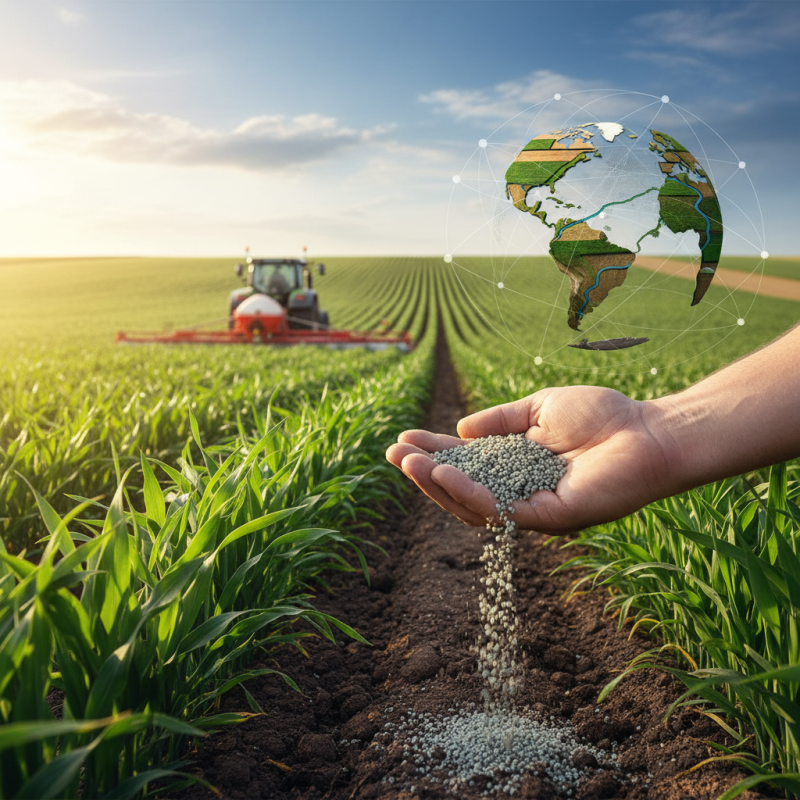
Phosphate Fertilizers play a critical role in global agriculture. They enhance soil fertility and boost crop yields. As the world faces increasing food demands, the importance of effective fertilizers grows.
Many farmers depend on these fertilizers to ensure productive harvests. However, not all phosphate fertilizers are created equal. The selection of the right type for specific crops and soil conditions is vital. It requires careful consideration and knowledge.
Some phosphate fertilizers may contain contaminants. This raises concerns about their environmental impact. Balancing agricultural needs with ecological sustainability is essential. Ongoing research is necessary to optimize fertilizer use while minimizing adverse effects. The conversation around best practices in phosphate fertilizers is just beginning.
Importance of Phosphorus in Agricultural Productivity
Phosphorus plays a crucial role in agricultural productivity. It is essential for plant growth and development. Adequate phosphorus increases crop yields and improves quality. According to a report by the Food and Agriculture Organization (FAO), phosphorus is a vital nutrient for over 70% of global crops. Without it, many plants fail to thrive.
The global demand for phosphorus fertilizers continues to rise. Sustainable phosphorus management is critical for maintaining soil health. Recent studies suggest that up to 30% of phosphorus applied to crops is lost to runoff or leaching. This loss not only reduces efficiency but also affects water quality.
Farmers face challenges in optimizing phosphorus usage. Excess application can lead to environmental damage. The need for balanced fertilization strategies is more pressing than ever. Effective management of phosphorus resources promotes sustainable agriculture. However, many farmers still struggle with this aspect. Addressing these gaps is essential for future productivity and environmental protection.
Types of Phosphate Fertilizers Available Globally
Phosphate fertilizers play a crucial role in global agriculture. They are vital for plant growth and crop yields. Various types of phosphate fertilizers are available worldwide, each with its unique properties.
One common type is superphosphate. It is made by treating rock phosphate with sulfuric acid. This process enhances the availability of phosphorus to plants. Another option is triple superphosphate, which contains higher concentrations of phosphorus. It offers a quick-release solution for farmers needing immediate nutrition for their crops.
However, not all phosphate options are perfect. Environmental impacts are a concern. Excessive use can lead to runoff, causing water pollution. Alternative sources, like organic fertilizers, provide solutions but may not meet all agricultural needs. Balancing efficiency and sustainability in phosphate use is essential.
Comparative Analysis of Natural vs. Synthetic Phosphate Fertilizers
Phosphate fertilizers play a crucial role in global agriculture. They are essential for plant growth and yield. There are two primary types: natural and synthetic. Understanding their differences is vital for sustainable farming practices.
Natural phosphate fertilizers are derived from organic materials. They often release nutrients slowly, which benefits long-term soil health. Research shows that they can improve soil microbiomes. This enhances nutrient uptake by plants. Reports indicate that organic phosphate can reduce soil erosion. However, the nutrient content is often lower compared to synthetic options.
On the other hand, synthetic phosphate fertilizers offer higher efficiency. They provide quick nutrient availability to crops. According to industry studies, they can increase short-term yields significantly. Yet, there are environmental concerns. Overuse of synthetics leads to soil degradation and water pollution. Striking a balance is crucial. Farmers must evaluate local soil conditions and crop needs. This helps determine the best fertilizer approach. The choice between natural and synthetic fertilizers requires careful consideration.
Environmental Impact of Phosphate Fertilizer Usage
The environmental impact of phosphate fertilizer usage is significant and complex. Phosphate fertilizers are widely used to enhance crop yield. However, their application often leads to issues such as soil and water pollution. Runoff from fields can carry excess phosphates into nearby water bodies, affecting aquatic ecosystems. This can cause harmful algal blooms, which deplete oxygen levels and harm fish populations.
Over-reliance on phosphate fertilizers can harm soil health. Continued use may disrupt the microbial balance necessary for nutrient cycling. This can lead to decreased soil fertility over time. Farmers face the challenge of maintaining high yields while protecting their land. Innovations in sustainable agriculture are needed. Integrated approaches could involve crop rotation and better nutrient management.
Understanding the long-term effects of phosphate fertilizers is crucial. While they boost productivity, potential environmental damage must be considered. The agricultural community must work toward solutions that minimize harm. Awareness and adaptation are key to ensuring that farming practices remain sustainable for future generations. Dialogue among researchers, farmers, and policymakers is essential.
Future Trends in Phosphate Fertilizer Development for Sustainability
The agricultural sector faces pressing demands for sustainable practices. As global populations rise, the need for efficient phosphate fertilizers becomes critical. Innovative development is underway, enhancing both productivity and environmental safety. Researchers are exploring various natural sources and microbial solutions. These could provide essential nutrients while reducing pollution.
Emerging trends indicate a shift towards circular economy models. Waste materials are being repurposed as fertilizers. This approach not only minimizes waste but also conserves resources. However, challenges remain in ensuring consistent quality and effective nutrient release. The balance between efficacy and sustainability often requires careful management.
Farmers are encouraged to adopt more integrated nutrient management practices. This involves combining different fertilizers for optimal results. Education and awareness are vital for farmers to understand these new strategies. Yet, not all regions have equal access to technology or resources. Bridging this gap will be essential for the future of global agriculture.


 No. 85 “Alexander Malinov” Blvd,
1715 Sofia, Bulgaria
No. 85 “Alexander Malinov” Blvd,
1715 Sofia, Bulgaria +359 2 953 0387
 sale@chemicalmojo.com