10 Best Textile Fibers for Sustainable Fashion Choices?
In recent years, sustainable fashion has gained significant attention. One critical aspect of this movement is the choice of textile fibers. The right fibers can minimize environmental impact and promote better practices. Many consumers are looking for alternatives to conventional materials that harm the planet.
Textile fibers play a crucial role in this transition. Some fibers are biodegradable, while others require less water and chemicals during production. For instance, organic cotton offers a more eco-friendly option compared to conventional cotton. Innovations also bring us options like hemp, which thrives in poor soil. However, not all claims about fibers are transparent. It’s essential to research brands and their practices.
Making the right choice in textile fibers isn't always clear-cut. Some "green" options still have hidden costs or impacts. The fashion industry is complex, and even sustainable fibers can have flaws. As consumers, we must remain critical and informed. Only then can we support genuine sustainability in our clothing choices.
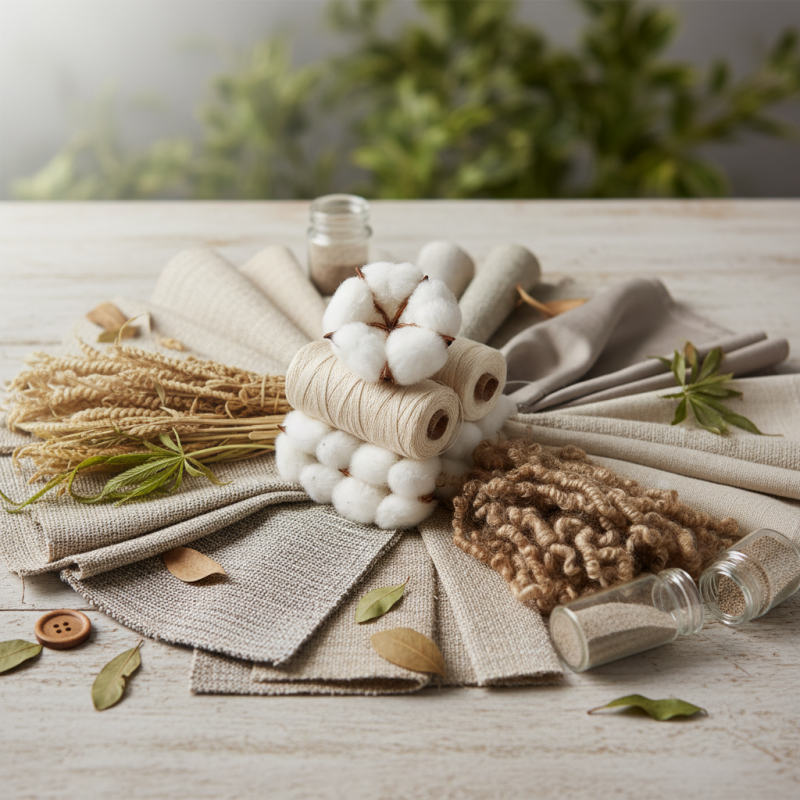
Top Natural Fibers Promoting Sustainability in Fashion
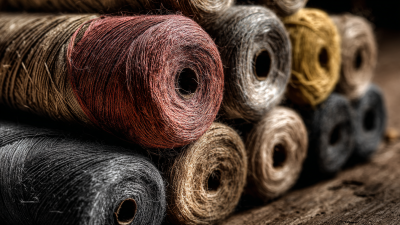
Natural fibers are at the heart of sustainable fashion. They offer environmental benefits and a unique quality. For instance, organic cotton is grown without harmful pesticides. This reduces soil and water pollution. It also helps maintain healthier ecosystems. Linen, made from flax, uses minimal water. It's biodegradable and doesn't require synthetic fertilizers.
Another remarkable option is hemp. This incredibly resilient plant grows quickly and improves soil health. It needs little water and is naturally resistant to pests. However, many people are still unaware of its potential. Bamboo is another strong contender. It’s fast-growing and replenishes quickly. Yet, processing bamboo into fabric can involve chemicals, raising sustainability concerns.
Tencel, made from wood pulp, is gentle on the earth. It uses a closed-loop process, minimizing waste. However, not all Tencel fibers are created equal. Each fiber carries its own environmental footprint. And while these natural fibers are promising, the fashion industry must continuously evolve. Awareness and consumption habits need to change. Only then can we fully embrace the potential of sustainable fashion choices.
Top 10 Sustainable Textile Fibers
Innovative Recycled Fibers Enhancing Eco-Friendly Clothing
Sustainable fashion is evolving, with innovative recycled fibers taking center stage. These materials reduce waste and utilize post-consumer products. For instance, many brands now use recycled plastic bottles to create soft, wearable fabrics. This process saves resources and keeps plastics out of landfills.
Not everything is perfect, though. The recycling process can sometimes consume significant energy. Plus, not all recycled fibers maintain the same quality as their virgin counterparts. While brands tout these innovations, consumers should ask questions. How are these materials crafted? Are they as durable?
Other recycled options include fabrics made from discarded textiles. This reduces the need for new materials, but challenges remain in sourcing and processing. The blend of repurposed fibers can lead to inconsistencies in texture and longevity. Eco-conscious consumers must weigh the benefits against potential downsides in their fashionable choices.
Biodegradable Fabrics: Redefining Sustainable Textile Options
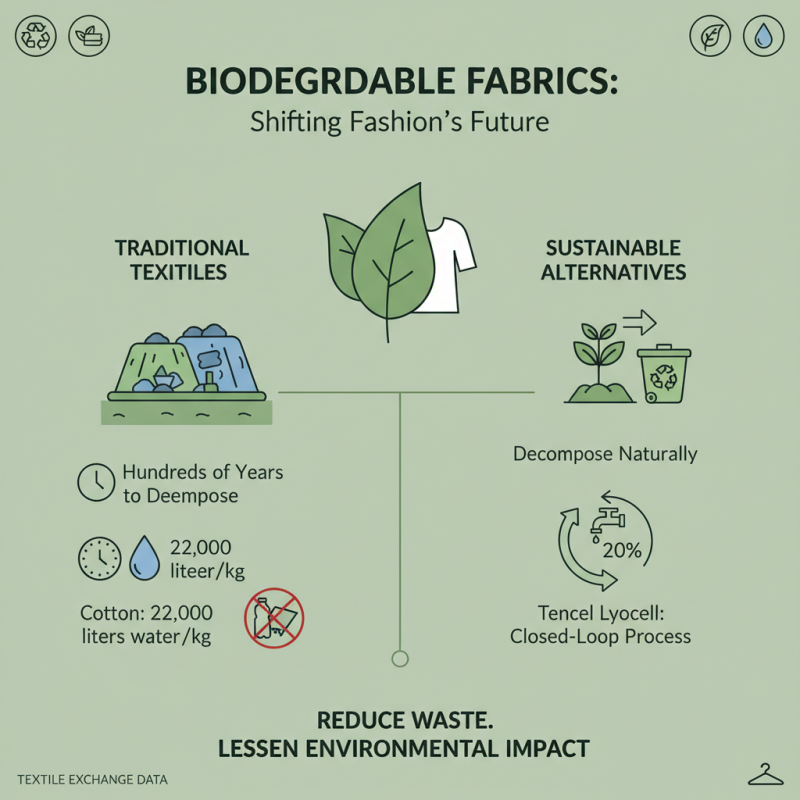
Biodegradable fabrics are changing the landscape of sustainable fashion. Traditional textiles often end up in landfills, where they can take hundreds of years to decompose. In contrast, biodegradable options can break down naturally, reducing environmental impact. According to the Textile Exchange, conventional cotton farming uses 22,000 liters of water for just one kilogram. Sustainable fibers like Tencel Lyocell utilize a closed-loop process, minimizing waste and improving water efficiency by up to 20%.
Research indicates that organic and recycled materials are increasingly favored. Biodegradable textiles such as hemp, linen, and organic cotton provide great alternatives. Studies show that hemp requires far less water, approximately one-third of what cotton needs. These materials not only reduce carbon footprints but can also mimic the luxurious feel of conventional fabrics. However, awareness is still low. Many consumers remain uninformed about the life cycle of these products. Continuous education is key to fostering a more sustainable approach to fashion.
Adopting biodegradable textiles is crucial, but challenges remain. Not all brands prioritize sustainability. The push for cheaper production often overlooks environmental costs. Additionally, consumers may hesitate to choose these options due to perceived durability and performance issues. Understanding the balance between style, cost, and environmental responsibility is essential for a trend towards sustainable fashion.
The Role of Organic Cotton in Sustainable Fashion Choices
Organic cotton plays a crucial role in sustainable fashion choices. It is grown without harmful chemicals, reducing environmental impacts. In fact, studies indicate that conventional cotton farming uses up to 25% of the world's insecticides. By choosing organic cotton, we support farming practices that promote biodiversity.
Research suggests that organic cotton farming uses 91% less water than traditional methods. This is vital in regions facing water scarcity. However, there are challenges. Organic cotton represents only about 1% of global cotton production. Scaling up is essential. The market for organic textiles is growing, yet many consumers remain unaware of the benefits.
While organic cotton is more sustainable, it is not entirely perfect. The certification process can be complex, leading to some ethical questions. Moreover, the increased cost of organic cotton can discourage its adoption by some brands. Transparency in supply chains is necessary to foster trust. By prioritizing organic cotton, we can encourage a shift towards more responsible fashion choices.
Emerging Plant-Based Fibers Transforming the Fashion Industry
The fashion industry is experiencing a notable shift towards sustainable practices.
Plant-based fibers are at the forefront of this transformation. These innovative materials are not only eco-friendly but also offer diverse textures and styles.
For instance, fibers made from hemp and bamboo require minimal water and pesticides compared to conventional cotton.
Recent studies indicate that switching to these fibers can reduce the fashion’s carbon footprint by up to 50%.
Emerging plant-based fibers, like pineapple leaf and banana fiber, are gaining popularity, attracting designers and consumers alike.
Reports show that these materials can decompose naturally, addressing the alarming issue of textile waste. As one statistic reveals, around 92 million tons of textile waste is produced globally each year.
Each of these fibers provides unique attributes, yet they still face challenges in scaling production.
While plant-based fibers are promising, there are hurdles to consider. Not all fibers are equally sustainable; improper farming practices can lead to soil degradation.
The industry needs to find a balance between innovation and sustainability. Further research and ethical production methods are essential for realizing the full potential of these materials in fashion.


 No. 85 “Alexander Malinov” Blvd,
1715 Sofia, Bulgaria
No. 85 “Alexander Malinov” Blvd,
1715 Sofia, Bulgaria +359 2 953 0387
 sale@chemicalmojo.com