Why Is China a Top Textile Industry Supplier?

Why Is China a Top Textile Industry Supplier?

China remains a leading textile industry supplier because it combines scale, technical depth, and highly connected manufacturing clusters. The World Trade Organization’s World Trade Statistical Review 2024 confirms China’s continuing leadership in global textile and clothing exports. This position is not built on factories alone. It includes fiber production, spinning, weaving, dyeing, printing, finishing, and garment assembly.

The supply chain feels visible on the ground. In Zhejiang and Jiangsu, trucks move yarn, fabric, chemicals, and finished products between nearby industrial parks. This proximity can shorten production cycles and reduce coordination costs. The China National Textile and Apparel Council also reports strong investment in intelligent manufacturing, recycled fibers, and functional textiles. Textile Exchange’s Materials Market Report 2024 highlights polyester’s dominant role in global fiber production. China has substantial capacity across this segment, supporting large-volume orders and material experimentation.

Scale matters. So does consistency.

However, China’s advantage is not flawless. Energy use, water consumption, labor costs, and environmental compliance remain important concerns. Buyers must verify certifications, factory conditions, traceability, and product claims instead of relying on country reputation. The International Textile Machinery Federation’s industry surveys show how automation and digital equipment are reshaping textile production. Chinese manufacturers increasingly use these tools for quality control and faster sampling.

The more accurate answer is practical. China offers broad supplier choice, mature infrastructure, and experienced technical teams. Yet responsible sourcing still requires audits, testing, and clear specifications. Global leadership is valuable, but it should never replace careful due diligence.
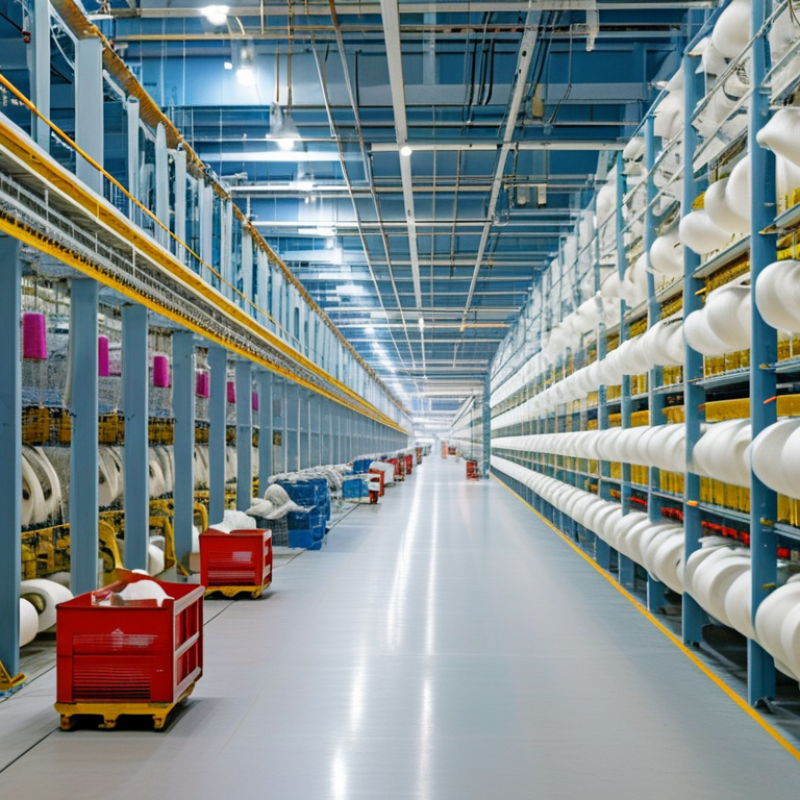
Why Is China a Top Textile Industry Supplier?

China’s Textile Industry at a Glance

Why Is China a Top Textile Industry Supplier?

China’s Textile Industry at a Glance

China’s textile industry combines raw materials, spinning, weaving, dyeing, and garment production within one broad manufacturing network. This structure can shorten production cycles and reduce transport between suppliers. Cotton, polyester, viscose, and blended fabrics are produced in large volumes. Buyers can also request different weights, textures, colors, and finishing methods.

Modern factories use automated looms, digital cutting systems, and laboratory testing equipment. These tools help control fabric strength, shrinkage, colorfastness, and surface defects. Production teams often inspect samples before bulk manufacturing begins. This practical step can prevent expensive mistakes. However, technology does not solve everything. A poor specification can still create the wrong fabric.

China also has experienced technicians and specialized production clusters. Some regions focus on fibers, while others support home textiles, technical fabrics, or apparel materials. This regional knowledge makes supplier searches more efficient. Ports, roads, warehouses, and established export procedures further support international orders. Yet the supply chain is not flawless. Smaller suppliers may have uneven documentation or inconsistent quality control. Clear contracts, factory audits, sample approval, and independent testing remain important.

From a professional sourcing perspective, communication matters as much as price. A detailed fabric sheet should include composition, width, weight, tolerance, color reference, and packaging requirements. Regular inspections can reveal issues before shipment. China remains a major textile supplier because its scale is useful, but careful verification still protects the buyer.

Why Is China a Top Textile Industry Supplier?

China remains a leading global textile and apparel supplier because of its large-scale manufacturing base, integrated supply chain, broad product range, and strong export capacity.

China’s textile and apparel exports, 2019–2023, in US$ billion. Figures are rounded estimates compiled from China Customs and WTO trade statistics; they cover textiles and apparel rather than individual companies or brands.

Key Factors Behind China’s Textile Supply Strength

China remains a leading textile supplier because its production network is unusually complete. A buyer can source yarn, weave fabric, dye rolls, and arrange garment assembly within connected industrial regions. This reduces handoffs and makes production planning more predictable. In practical sourcing work, factory visits often reveal specialized equipment beside skilled technicians. Automated cutting may share a floor with manual fabric inspection. That combination supports both volume and detail. It is not purely about low prices.

Technical capability is another strength. Mills commonly offer blended fibers, functional finishes, and fabric weights suited to different climates. Testing laboratories can check colorfastness, shrinkage, tensile strength, and chemical limits before shipment. Reliable suppliers provide batch records, inspection reports, and clear fiber percentages. These documents help buyers verify claims instead of trusting attractive samples. Port infrastructure and established freight routes also support regular export schedules. Still, schedules can shift during peak seasons, and regional capacity varies. No supplier is perfect.

China’s textile strength also comes from adaptation. Manufacturers can adjust a weave after wash testing, replace a weak seam, or modify packaging through short feedback loops. Direct communication matters. Detailed specifications, approved samples, and written tolerances prevent costly misunderstandings. Buyers should still audit working conditions and environmental controls through qualified, independent channels. A polished showroom proves little. My review process would include production photos, random testing, and a small pilot order before scaling. That extra step may slow purchasing, but it exposes problems early. Some factories promise more than they can consistently deliver when orders change suddenly. Careful verification remains necessary.

Major Textile Products and Manufacturing Capabilities

Why Is China a Top Textile Industry Supplier?

China’s textile strength comes from its wide product range and integrated manufacturing base. Major products include polyester yarn, cotton fabrics, knitted materials, denim, home textiles, and finished garments. Textile Exchange’s Materials Market Report 2024 estimates that global fiber production reached 124 million tonnes in 2023. Polyester represented about 57% of that volume, supporting China’s large synthetic-fiber sector. Local suppliers often connect spinning, weaving, dyeing, printing, and sewing within one industrial cluster.

The capability is practical.

A buyer can develop fabric, test samples, and adjust production with fewer supply gaps. China also offers advanced knitting machines, automated cutting systems, digital printing, and wastewater treatment equipment. The World Trade Organization’s World Trade Statistical Review 2024 confirms China remains the leading exporter of textiles and clothing. Its export scale reflects strong production capacity, not simply low labor costs. Large mills can handle bulk orders, while specialized workshops support smaller runs and technical fabrics.

However, capacity is not the same as excellence. Quality can vary between factories, even within one region. Buyers should verify test reports, fiber content, colorfastness, shrinkage, and production records before ordering. I have seen attractive samples fail during bulk production. That gap deserves attention. China remains highly competitive, but reliable sourcing depends on factory audits, clear specifications, and repeated quality checks.

China’s Role in Global Textile Trade

China’s position in global textile trade is built on scale, speed, and industrial depth. The WTO’s World Trade Statistical Review 2024 reports that China held roughly 48% of global textile exports in 2023. It also held about 31% of clothing exports. These figures reflect more than competitive pricing. They show dense supplier networks, nearby spinning and weaving capacity, and experienced logistics teams. In practice, mills, dye houses, testing laboratories, and ports often operate within one production corridor.

China also remains important as textile demand changes. The International Textile Manufacturers Federation’s 2024 statistics show China dominated global installations across several major textile machinery categories. This supports faster capacity upgrades, automated inspection, and shorter sampling cycles. Buyers can adjust yarn blends, fabric weight, or finishing details without changing countries. That flexibility matters when orders shift from basic cotton fabrics to technical materials. It is not effortless.

The Textile Exchange Materials Market Report 2024 identifies polyester as 57% of global fiber production in 2023, with China central to that supply. Such concentration can improve efficiency, but it may increase exposure to freight delays, energy costs, water pressure, and policy changes. The numbers need context. Reliable sourcing should examine testing records, traceability, factory experience, and delivery performance. Industry experience suggests that strong suppliers often win through consistent batches, clear communication, and honest correction when a sample fails.

Why Is China a Top Textile Industry Supplier? - China’s Role in Global Textile Trade
Data Dimension Latest Reported Figure What the Data Shows Source
Global position in textile and apparel exports Ranked No. 1 in 2023 China remained the largest national exporter of textiles and apparel, confirming its central role in global sourcing and international supply chains. World Trade Organization (WTO), World Trade Statistical Review
China’s textile and apparel export value Approximately US$293.6 billion in 2023 The scale of exports reflects the country’s broad manufacturing base, covering fibers, yarns, fabrics, home textiles, garments, and technical textile products. China Customs data; figures rounded and compiled for HS Chapters 50–63
Share of global apparel exports Approximately 31.6% in 2023 China supplied nearly one-third of global apparel exports, although its share has gradually diversified toward other Asian production centers. WTO statistics; apparel trade categories based primarily on HS Chapter 61–62
Share of global textile exports Approximately 40% in 2023 China held a particularly strong position in textile materials and intermediate products, including yarns, fabrics, household textiles, and man-made fiber products. WTO statistics; textile trade categories based primarily on HS Chapters 50–60 and 63
Chemical-fiber production capacity About 70 million metric tons in 2023 Large-scale production of polyester, nylon, viscose, and other man-made fibers gives China an integrated upstream supply base and supports cost-efficient downstream manufacturing. National Bureau of Statistics of China; China Chemical Fibers Association
Supply-chain coverage Fiber-to-finished-product integration China combines raw-material processing, spinning, weaving, dyeing, finishing, garment production, logistics, and textile machinery within one highly connected industrial ecosystem. Ministry of Industry and Information Technology of China; industry statistical reports
Product diversification HS Chapters 50–63 Export activity extends from silk, wool, cotton, and man-made fibers to knitted fabrics, woven fabrics, home textiles, protective textiles, footwear-related textile materials, and finished clothing. United Nations Comtrade classification and Harmonized System product categories
Major export market structure Asia, Europe, North America, and emerging markets China serves a geographically diverse customer base, reducing dependence on a single region and enabling suppliers to support both mature and rapidly growing consumer markets. UN Comtrade international merchandise trade database
Competitive advantage in production scale Large-batch and flexible-order capability Dense supplier networks and extensive production capacity allow manufacturers to handle high-volume orders while also supporting shorter production runs and product customization. China National Textile and Apparel Council; industry structure reports
Technology and product upgrading Growing focus on technical and functional textiles The industry is expanding beyond basic garments into medical textiles, industrial fabrics, filtration materials, protective clothing, smart textiles, and other higher-value applications. Ministry of Industry and Information Technology of China; textile industry development plans
Note: Monetary values and market shares are rounded estimates based on publicly available WTO, UN Comtrade, China Customs, and Chinese industrial statistics. Definitions may vary slightly between sources because textile and apparel products are classified under different HS-code groupings.

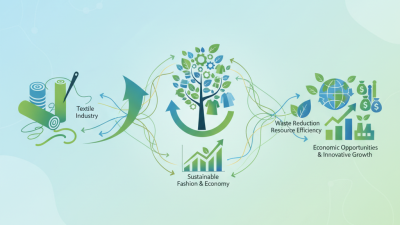
Challenges and Future Changes in China’s Textile Sector

China remains a leading textile supplier because its supply chain connects fiber production, spinning, weaving, dyeing, and garment manufacturing within efficient industrial clusters. China Customs data reported textile and apparel exports of approximately US$293.6 billion in 2023, despite an 8.1% annual decline. The figure shows scale, but also pressure. Demand is less predictable now.

The challenges are becoming more technical. The Textile Exchange Materials Market Report 2024 estimates global fiber production reached 124 million tonnes in 2023 and may reach 160 million tonnes by 2030. China must expand recycled fibers while reducing energy, water, and chemical use. This is difficult in dyeing workshops, where heat, moisture, and wastewater control require constant monitoring. Progress is uneven.

The International Energy Agency identifies industrial electrification and renewable power as important routes for lowering manufacturing emissions. Chinese mills are therefore testing digital production systems, cleaner boilers, traceable materials, and automated quality inspection. These changes can reduce waste, but equipment is expensive for smaller factories. That gap matters.

Not every upgrade succeeds.

Future competitiveness will depend less on low prices and more on verified data, flexible production, skilled technicians, and measurable environmental performance. The sector may also need stronger recycling networks and clearer material standards. These are practical weaknesses, not minor details. Without reliable reporting, even responsible improvements can remain difficult to prove.

This site is registered on wpml.org as a development site.