How to Choose the Best Polyester Staple Yarn for Your Needs?
Choosing the best polyester staple yarn is crucial for various applications, including textiles and industrial uses. According to the Global Textile Market report, the polyester staple fiber market is expected to grow by 3.5% annually through 2026. This growth is driven by increased demand for polyester due to its versatility and affordability.
Polyester staple yarn is favored for its durability and resistance to wear. It offers excellent color retention and is easy to care for, making it ideal for different consumer markets. However, not all polyester staple yarns are created equal. The choice depends on specific needs such as strength, texture, and intended use.
Many manufacturers offer options that vary in quality and price. It’s essential to evaluate threads based on their performance and suitability for your project. Sometimes, higher cost does not guarantee better quality. Potential buyers should also consider sourcing from reputable suppliers to ensure reliability. Balancing cost and quality remains a challenge, and careful consideration will lead to the best outcomes.
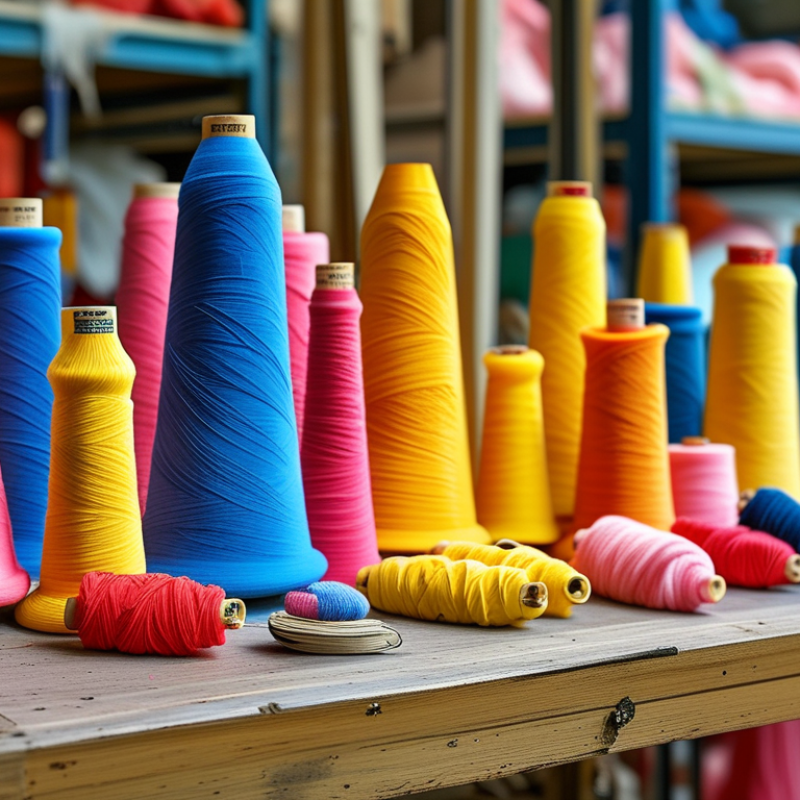
Understanding Polyester Staple Yarn and Its Applications
Polyester staple yarn is a versatile material used in various industries. Its applications range from textiles to automotive products. This synthetic fiber offers durability, resistance to wrinkles, and ease of care, making it popular among manufacturers.
The textile industry heavily relies on polyester staple yarn. According to the Textile World report, polyester accounts for over 50% of global fiber production. Its innovative applications include clothing, upholstery, and filtration systems. However, not all polyester yarns are created equal. Some may lack the necessary strength or comfort for specific uses. Choosing the right type involves understanding the denier, fiber length, and spinning methods.
In automotive applications, polyester staple yarn is used for seat covers and insulation materials. Its lightweight nature and resistance to moisture enhance performance. However, industry reports indicate that some polyester products do not meet environmental sustainability standards. This inconsistency raises questions about long-term viability. Thus, manufacturers should consider both the performance attributes and environmental impact of polyester staple yarns when making selections.
Key Factors to Consider When Choosing Polyester Staple Yarn
When choosing polyester staple yarn, several key factors can shape your decision. Firstly, consider the fiber denier. A lower denier offers softness, while a higher denier can enhance durability. Your project requirements will guide this choice.
Texture is another critical aspect. Yarn with a more textured finish can be suitable for specific fabrics, whereas smooth textures are ideal for tailored garments. Pay attention to the finish—matte or shiny—because it affects the fabric's overall look.
Tips: Always request samples before purchasing. This allows you to assess the yarn's quality closely. Additionally, consider the yarn's twist. A tighter twist provides strength, while a looser twist offers more flexibility. Be mindful of these details as they can significantly influence your final product's performance.
Comparing Different Types and Grades of Polyester Staple Yarn
When selecting polyester staple yarn, understanding the types and grades available is crucial. Polyester staple yarn varies in thickness, color, and texture. Each aspect influences the final application, whether it's for textiles or industrial uses. High-grade yarn offers durability and strength, while lower grades may not withstand heavy use. Try to assess your requirements carefully.
Consider the project specifics when comparing yarn types. For example, fine yarns often create smoother and lighter fabrics. Thicker yarns provide better insulation and sturdiness. It's essential to try different options to determine what best meets your needs. Don't overlook the importance of the yarn’s finish, as it impacts the end product's appearance and feel.
Tips: Always check the yarn’s density. A higher density typically means a better-quality product. If possible, request samples to test before making a larger order. Pay attention to the yarn's compatibility with other materials. Less expensive yarns might save money, but could lead to quicker wear over time. Assessing these details upfront can prevent future regrets. Reflect on your choice to ensure it aligns with your quality standards.
Comparison of Different Grades of Polyester Staple Yarn
Evaluating Cost vs. Quality in Polyester Staple Yarn Selection
When selecting polyester staple yarn, evaluating cost versus quality is essential. Polyester is known for its durability and versatility, but not all fibers are created equal. Lower-cost options might tempt you, but they often compromise on quality. This can lead to issues later, such as fraying or color fading. A little extra investment can yield yarn that withstands wear.
Consider your project's requirements carefully. If you're creating items that require a softer touch or specific durability, quality becomes critical. High-quality yarn may initially seem pricier, yet it may save you money in the long run. You won't need to replace items as often, reducing your overall expenditure. A deep understanding of your needs helps avoid mistakes.
Remember, it’s okay to experiment with cheaper options for less critical projects. Reflecting on these experiences will aid in honing your judgment for future selections. Balancing cost and quality may take time and reflection. It's a cycle of learning and adaptation.
Tips for Sourcing and Purchasing Polyester Staple Yarn Effectively
When sourcing and purchasing polyester staple yarn, careful consideration is vital. The yarn's quality directly impacts your project's outcome. Therefore, identifying suppliers with a strong reputation is crucial. Look for manufacturers who prioritize quality control and intricate production processes.
Understanding the specific application is essential. Depending on the desired outcome, different yarn types may be required. For instance, lightweight yarns work well for clothing, while heavier options are better for upholstery. Always request samples before making a bulk order. This allows for hands-on evaluation.
Consider these tips when sourcing polyester staple yarn. Always communicate your requirements clearly to suppliers. This helps them provide the best solution suited to your needs. If you need customization, don’t hesitate to ask. Also, pay attention to the supplier’s responsiveness. Timely communication often indicates professionalism.
Lastly, keep an eye on industry trends. Innovations in yarn technology can affect your choices. Reflect on how these changes might benefit your projects. Regularly revisiting your sourcing strategy ensures you stay competitive and efficient. Avoid settling for the status quo; improvement is always possible.



 No. 85 “Alexander Malinov” Blvd,
1715 Sofia, Bulgaria
No. 85 “Alexander Malinov” Blvd,
1715 Sofia, Bulgaria +359 2 953 0387
 sale@chemicalmojo.com