Why Choose Yarn Acrylic for Your Next Project?
Choosing the right material for your next project can be daunting. Yarn acrylic stands out for its versatility and convenience. This synthetic fiber is affordable and widely available. Many crafters swear by it for various applications.
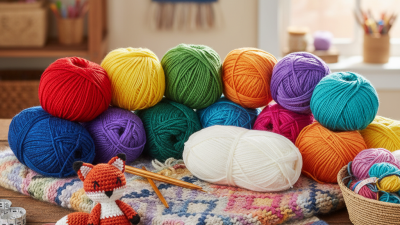
Yarn acrylic offers a range of colors and textures. It is lightweight, making it ideal for garments and accessories. Projects can be completed quickly, which is perfect for beginners or those on tight schedules. However, some may feel it lacks the cozy feel of natural fibers.
On the flip side, yarn acrylic is durable and easy to care for. It withstands washing and retains its shape well. This factor makes it a reliable choice. Yet, it is essential to consider personal preferences when selecting materials. Reflecting on your choices can lead to a more satisfying crafting experience.
Benefits of Acrylic Yarn: Durability and Flexibility in Projects
Acrylic yarn has gained popularity among crafters for several reasons. One standout feature is its durability. Unlike other fibers, acrylic does not easily break down, making it ideal for projects that require frequent use. Items like blankets, toys, or garments made from acrylic retain their shape and color after numerous washes. This reliability gives crafters peace of mind.
Flexibility is another important aspect. Acrylic yarn comes in a wide range of colors and textures, allowing for diverse creative projects. Whether you want a soft finish for a baby blanket or a robust texture for winter wear, acrylic can meet those needs. However, the endless variety can at times feel overwhelming. Choosing the right weight, color, or twist may require several attempts. Yet, this exploration often leads to delightful surprises in design.
While acrylic is fantastic for many projects, it does have its downsides. It can sometimes feel less luxurious than natural fibers, and some find it less breathable. Being aware of these imperfections allows for a more informed choice. Crafting with acrylic demands careful consideration, but the benefits often outweigh the challenges.
Cost-Effectiveness of Acrylic Yarn Compared to Natural Fibers
Acrylic yarn has gained popularity for several reasons, particularly in terms of cost-effectiveness compared to natural fibers like wool and cotton. According to a report from the Craft Yarn Council, acrylic yarn is significantly cheaper, often costing only a fraction of the price of its natural counterparts. This price difference makes it an enticing option for hobbyists and crafters, especially when working on larger projects that require substantial amounts of material.
Moreover, acrylic yarn is known for its durability and low maintenance. A study by the Textile Research Journal indicated that acrylic fibers are more resistant to wear and tear, which prolongs the life of knitted or crocheted items. While natural fibers require careful washing and treatment, acrylic yarn is machine washable and quick-drying. However, it's worth noting that the environmental impact of producing synthetic fibers remains a point of controversy, raising questions about sustainability and eco-friendliness in the crafting community.
Some projects may benefit from the unique qualities of natural fibers, like breathability and warmth. For instance, wool is often preferred for its natural insulating properties. Yet, the practicality and affordability of acrylic mean that many crafters are willing to overlook these drawbacks for everyday use. The decision to choose acrylic over natural fibers often involves balancing immediate cost savings with long-term durability and environmental concerns.
Environmental Impact of Acrylic Yarn Production and Recycling Options
Acrylic yarn has gained popularity for its versatility and affordability. However, the environmental impact of its production raises important discussions. The manufacturing of acrylic yarn is often associated with significant carbon emissions. According to recent industry reports, producing one ton of acrylic fiber can release around 6.5 tons of CO2 into the atmosphere. This alarming statistic highlights the need for more sustainable practices in yarn production.
Recycling options for acrylic yarn exist, but they are limited. Many consumers are unaware that acrylic yarn can be recycled, and as a result, significant waste ends up in landfills. Some companies are investing in technology that allows for the recycling of acrylic fibers, which can help reduce waste. Nonetheless, challenges remain. The recycling process is not yet widespread, and often, recycled acrylic fibers are of lower quality.
Consider incorporating upcycled materials into your projects. This approach can minimize waste and add unique elements to your work. Making smaller items or swatches can also help you understand the quality and texture of the acrylic you choose. Reflection on the sustainability of your materials can lead to smarter choices. Always seek out information about the sourcing and end-of-life options for the yarn you use.
Versatility of Acrylic Yarn in Various Crafting Techniques and Patterns
Acrylic yarn stands out in the crafting world due to its incredible versatility. Crafters can easily incorporate it into various techniques, from knitting scarves to crocheting intricate blankets. Its soft texture and vibrant colors make it a top choice for many projects. Acrylic yarn can mimic the appearance of wool, making it suitable for both casual and formal designs. This adaptability allows creators to express their unique style through various patterns.
Using acrylic yarn in different crafting methods opens a realm of possibilities. Whether you are working on amigurumi toys or delicate shawls, acrylic fits the bill. It is easy to care for, holding its shape and durability well even after frequent washing. Yet, it can sometimes feel less luxurious compared to natural fibers. Some crafters might notice a difference in warmth and breathability. This is an essential consideration when choosing materials for specific projects.
Experimenting with acrylic yarn can lead to delightful surprises. The ability to create bold patterns and designs is unmatched. However, it’s important to consider how it interacts with various dyes and washing processes. This medium can sometimes fade over time, especially in bright colors. As you work with it, remember that each project offers lessons in both success and challenges. Embracing these aspects enhances your overall crafting journey.
Color Retention and Maintenance of Acrylic Yarn in Long-Term Use
Acrylic yarn is a popular choice among crafters for its vibrant color options and durability. It offers excellent color retention, making it an attractive option for long-term projects. Unlike some natural fibers, acrylic fibers maintain their vibrancy even after frequent use and washing. This quality is crucial for items like blankets or garments that must withstand constant handling.
Over time, many yarns can fade or lose their charm. Acrylic holds its color well, but it is essential to consider maintenance. Proper washing techniques, like using cold water and mild detergents, can help preserve the yarn's aesthetic. However, wear and tear might still occur. Even with acrylic, some colors may fade in sunlight. It’s a reminder that while acrylic yarn is robust, it requires thoughtful care.
Crafters often wrestle with the balance between durability and aesthetics. While acrylic is resilient, some may find that certain colors may not last as long as hoped. Experimenting with different techniques, such as using colorfasting methods, can improve outcomes. Though acrylic is generally reliable, individual experiences can vary, reminding us that every project is unique.


 No. 85 “Alexander Malinov” Blvd,
1715 Sofia, Bulgaria
No. 85 “Alexander Malinov” Blvd,
1715 Sofia, Bulgaria +359 2 953 0387
 sale@chemicalmojo.com