What are the Different Types of Textile Fibers?
Textiles play a crucial role in our daily lives, impacting fashion, home décor, and industry. Understanding the different types of textile fibers is vital for anyone in the textile sector. The global textile market is expected to reach over $1 trillion by 2025, with the demand for varied fibers surging.
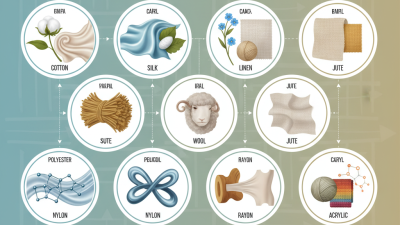
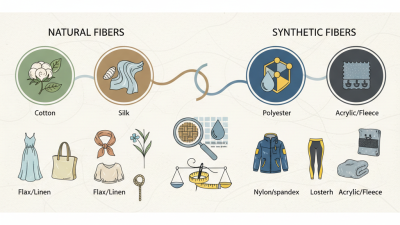
Textile fibers can be classified into natural and synthetic categories. Natural fibers include cotton, wool, and silk, which have been used for centuries. Synthetic fibers, such as polyester and nylon, have revolutionized the industry. Each fiber type offers unique properties and applications. However, the environmental impact of synthetic fibers raises concerns. Reports indicate that microplastics from these fibers pollute oceans significantly.
Consumers are increasingly aware of sustainability. They seek information about where their clothing comes from. A study highlighted that nearly 60% of consumers prefer sustainable textiles. Brands need to balance innovation and responsibility. A thoughtful approach towards different types of textile fibers is essential for future growth. It challenges the industry to rethink materials and processes.
Introduction to Textile Fibers: An Overview
Textile fibers are essential in the fabric-making industry. An understanding of these fibers is crucial for designers and manufacturers. According to a report by the Textile Fiber Market Analysis, natural fibers like cotton, wool, and silk account for about 30% of the global market. This statistic emphasizes the enduring appeal of traditional materials.
In contrast, synthetic fibers such as polyester and nylon dominate, comprising over 60% of the market share. This shift raises questions about sustainability and environmental impact. Innovations in fiber technology have led to eco-friendly alternatives, but they struggle to gain widespread adoption. Many remain hesitant about transitioning to these green solutions.
The characteristics of each fiber vary significantly. For example, cotton is known for comfort, while polyester boasts durability. However, the rise of fast fashion has created an oversupply of synthetic textiles. This abundance can lead to waste and inefficiencies, highlighting the need for more responsible consumption. The industry faces challenges as it balances consumer demand with ecological concerns.
What are the Different Types of Textile Fibers?
This bar chart displays the production volumes of various types of textile fibers measured in million tons. Cotton and polyester lead the market significantly, illustrating their popularity in the textile industry.
Natural Fibers: Characteristics and Examples
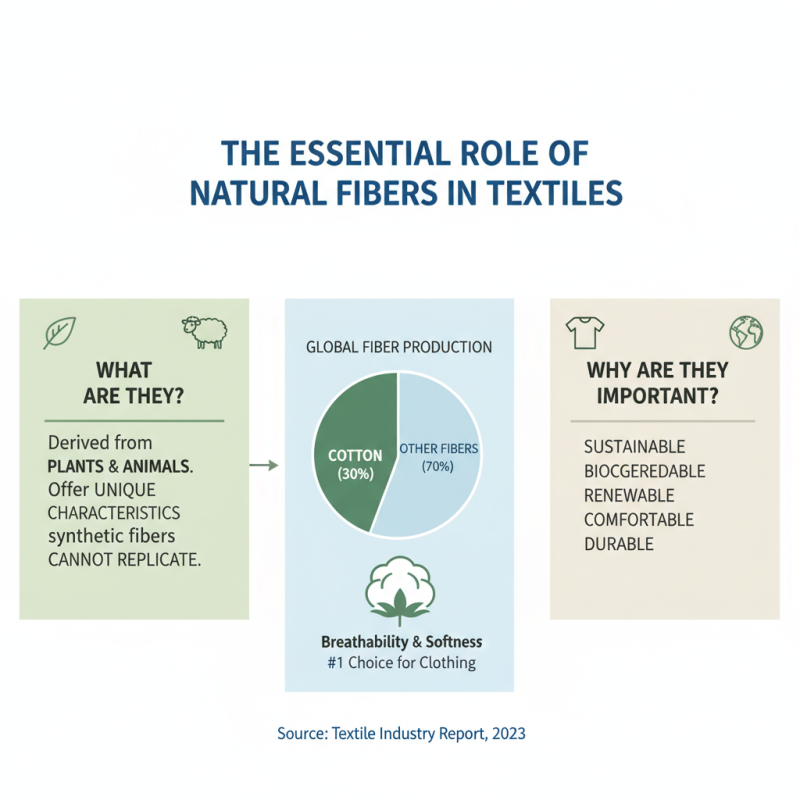
Natural fibers play a crucial role in the textile industry. They are derived from plants and animals, providing unique characteristics that synthetic fibers cannot replicate. For example, cotton, a widely recognized natural fiber, accounts for nearly 30% of global fiber production. Its breathability and softness make it a popular choice for clothing.
Wool, sourced from sheep, has natural insulating properties. This contributes to its usage in colder climates. The global wool market was valued at approximately $3.1 billion in 2021, highlighting its economic significance. However, the sustainability of wool production is under scrutiny. Challenges include animal welfare and the environmental impact of grazing.
Silk, another luxurious natural fiber, stands out due to its luster and smooth texture. It is derived from silkworms and has been prized for centuries. However, the process is labor-intensive and may not be scalable. This raises questions about its future in a rapidly evolving textile market. Natural fibers provide benefits, yet their production also poses ethical and environmental dilemmas worth reflecting on.
Synthetic Fibers: Types and Manufacturing Processes
Synthetic fibers are made from chemical processes. They are popular due to their versatility and durability. Common types include polyester, nylon, and acrylic. Each has unique properties making them suitable for different applications.
Manufacturing synthetic fibers involves several steps. First, raw materials are melted down. This creates a viscous solution. Next, the solution is extruded through spinnerets. This process forms long strands of filament. After that, the fibers are cooled and cut into staple lengths. They can then be spun into yarn.
Tips: When choosing synthetic fibers, consider the end use. Are they for clothing or industrial applications? Also, think about the environmental impact. While synthetic fibers are durable, they can contribute to pollution. Balance your needs with sustainability. Opt for recycled materials when possible.
Synthetic fibers might not be perfect. They can be less breathable than natural fibers. This can lead to discomfort in warm weather. Additionally, they can retain odors more than some natural options. Awareness of these factors can guide better choices.
Comparison of Natural and Synthetic Textile Fibers
Natural fibers come from plants and animals. Cotton, wool, and silk are popular examples. These fibers are biodegradable. They can be composted at the end of their life. Natural fibers feel comfortable against the skin. However, they may require more care and maintenance compared to synthetic ones. They can shrink, wrinkle, or be affected by pests. This makes them less durable in some situations.
Synthetic fibers, like polyester and nylon, are made from petrochemicals. They are often more affordable and widely available. These fibers are water-resistant and strong. They can withstand harsh weather conditions. However, they are not biodegradable. Their production process can be harmful to the environment. Additionally, synthetic fibers may cause skin irritation for some people. They also tend to retain odors longer than natural fibers.
The choice between natural and synthetic fibers often depends on personal preference. Some prefer the feel and breathability of natural fibers. Others favor the durability and ease of maintenance of synthetics. Each type has its strengths and weaknesses. Understanding these can lead to better choices when selecting textiles for clothing or home use.
Applications of Various Textile Fibers in Fashion and Industry
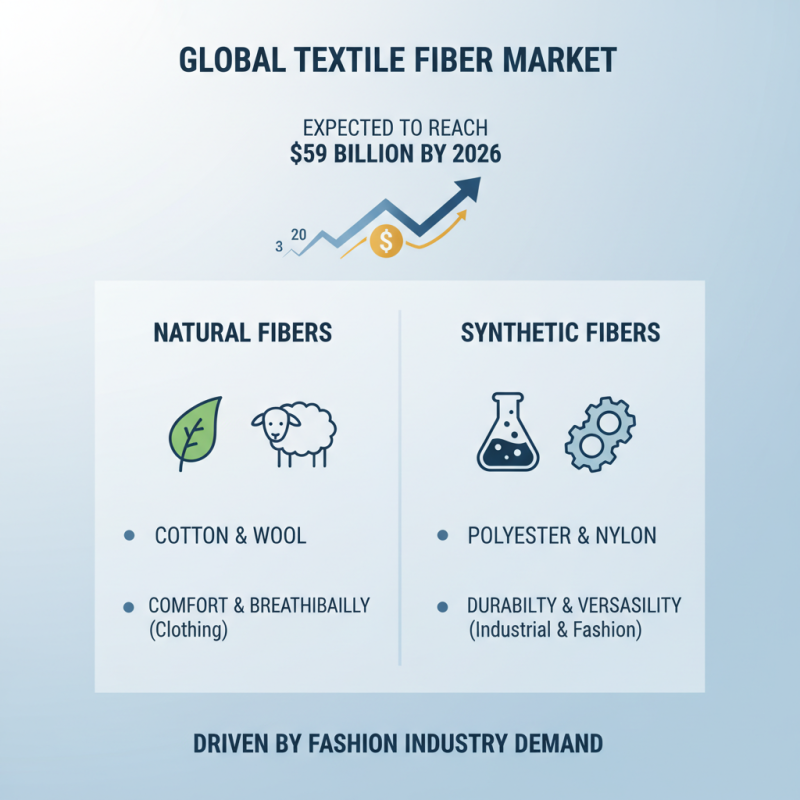
Textile fibers play a pivotal role in both fashion and various industries. Natural fibers like cotton and wool dominate clothing due to their comfort and breathability. In contrast, synthetic fibers such as polyester and nylon offer durability and versatility. A recent market report indicates that the global textile fiber market is expected to reach $59 billion by 2026, driven by increasing demand in the fashion sector.
Cotton remains a favorite for casual wear. It's soft and absorbent. However, its water-intensive cultivation raises environmental concerns. Conversely, polyester is prevalent in sportswear. Its moisture-wicking properties make it ideal for active lifestyles. Yet, the production of synthetic fibers involves processes that contribute to pollution. Understanding these impacts is crucial for responsible choices.
Tips: When choosing fabrics, consider their environmental footprint. Look for recycled or organic options. Prioritize fibers that offer sustainability without sacrificing quality. Refresh your wardrobe thoughtfully to support sustainable practices in the industry. Making informed decisions can lead to a positive change.




 No. 85 “Alexander Malinov” Blvd,
1715 Sofia, Bulgaria
No. 85 “Alexander Malinov” Blvd,
1715 Sofia, Bulgaria +359 2 953 0387
 sale@chemicalmojo.com