10 Essential Tips for Working with Acrylic Fiber
Acrylic fiber has become a popular choice in various textiles. Its versatility and durability attract many artisans and manufacturers alike. Working with acrylic fiber can be rewarding, yet it poses unique challenges.
When handling acrylic fiber, understanding its properties is crucial. This synthetic material is lightweight, resistant to wrinkles, and easy to dye. However, it may also lead to pilling and static. Knowing how to work with these qualities will improve your results.
Whether you’re knitting, crocheting, or crafting, proper techniques matter. Missteps can lead to frustration and wasted materials. Embrace learning opportunities and reflect on your experiences. By adopting these essential tips, your projects with acrylic fiber can achieve new heights.
Understanding Acrylic Fiber: Composition and Properties
Acrylic fiber is a synthetic material known for its wool-like properties. It is composed of polyacrylonitrile, which gives it strength and durability. This fiber is lightweight and has excellent insulating qualities. It can mimic the feel of natural fibers while being more affordable.
One key property of acrylic fiber is its resistance to moisture and mildew. It dries quickly and retains its shape well, making it popular for outdoor garments. However, it also has drawbacks. Acrylic can be prone to pilling, and the color may fade over time. This challenges crafters and manufacturers to find ways to enhance its longevity.
Understanding how acrylic fiber behaves is essential for working with it effectively. While it offers versatility, it requires thoughtful handling. Washing it at the right temperature prevents distortion. Additionally, using the proper thread tension is crucial when knitting or crocheting. Experimenting with different techniques can yield surprising results. Mistakes are part of the learning curve, and reflecting on them leads to better practices.
10 Essential Tips for Working with Acrylic Fiber - Understanding Acrylic Fiber: Composition and Properties
| Aspect |
Details |
| Composition |
Derived from petroleum-based products, primarily polyacrylonitrile. |
| Properties |
Lightweight, durable, and resistant to moths, oils, and chemicals. |
| Thermal Insulation |
Good thermal insulator, maintaining warmth in cold conditions. |
| Moisture Absorption |
Relatively low moisture absorption, dries quickly. |
| Dyeing |
Can be dyed easily using acid or disperse dyes. |
| Care Instructions |
Machine wash on a gentle cycle, avoid high heat when drying. |
| Applications |
Used in clothing, home textiles, and insulation materials. |
| Environmental Impact |
Not biodegradable, contributes to microplastic pollution. |
| Comparison |
Lighter and warmer than wool, but less breathable. |
| Storage |
Store in a cool, dry place to prevent damage from moisture. |
Choosing the Right Tools for Working with Acrylic Fiber
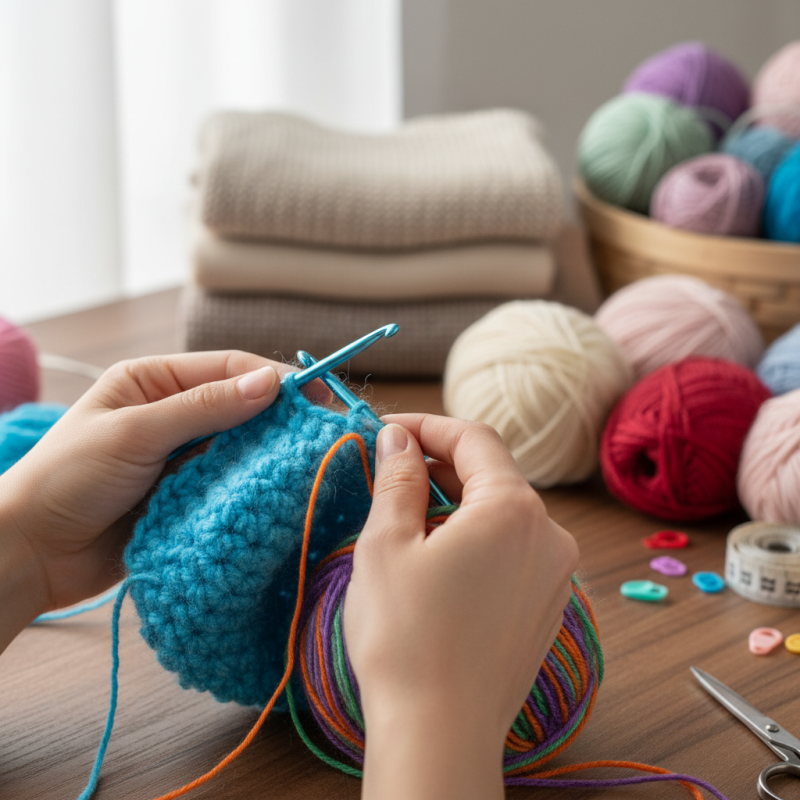
When working with acrylic fiber, selecting the right tools can make all the difference. Start by choosing vibrant yarn needles. Metal needles can glide smoothly through the fiber, reducing snagging. A good pair of scissors is essential too. Dull scissors may fray the yarn edges, causing you frustration.
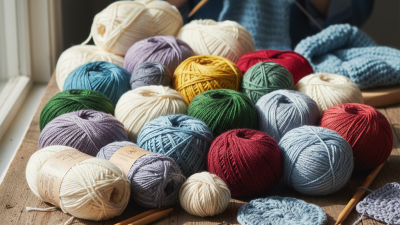
Invest in quality crochet hooks or knitting needles. Different sizes yield various stitch effects. Experimenting with hooks can be enlightening. Perhaps a larger size gives you an airy look. It’s a thrilling process of trial and error. Don’t hesitate to test other materials; each brings unique textures.
Using stitch markers is another smart tip. These help keep track of progress. You might find that counting stitches is tedious. A marker alleviates this headache. Moreover, a yarn bowl can prevent tangles. Tangles can lead to wastage and annoy the most patient fiber artist. The right choices streamline creativity and enhance the overall experience with acrylic fiber.
Techniques for Cutting and Shaping Acrylic Fiber
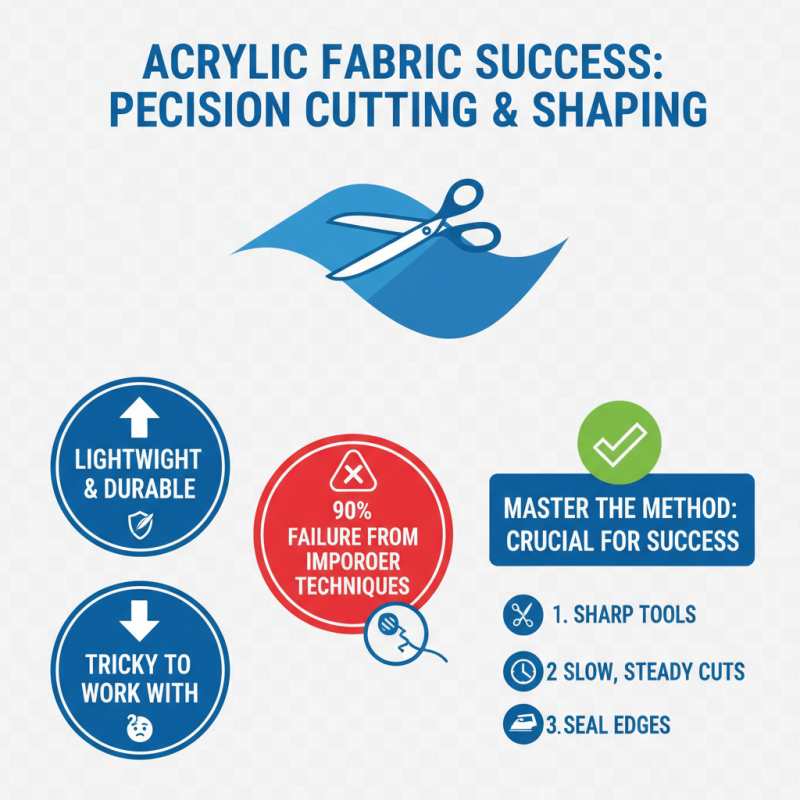
Cutting and shaping acrylic fiber requires precision and care. Acrylic is appreciated for its lightweight and durability, but it can be tricky to work with. Reports show that 90% of fabric failures stem from improper techniques. Thus, understanding the right methods is crucial for success.
One essential tip is to use sharp scissors or a cutting tool specifically designed for fabrics. Dull blades can lead to frayed edges. When cutting, make gentle and steady motions. This prevents unwanted stretching or damage. Additionally, consider using a cutting mat. It provides a clean and even surface, reducing accidental nicks.
Shaping acrylic requires thoughtful heat application. Heat guns can reshape acrylic fiber without causing burns. Maintain a safe distance while directing heat. Overheating can cause melting or discoloration. A practice session on scrap pieces can refine your technique. Also remember, mistakes happen. Embracing imperfections can lead to innovative designs. It's crucial to be patient and open to learning along the way.
Best Practices for Sewing and Finishing Acrylic Fiber Projects
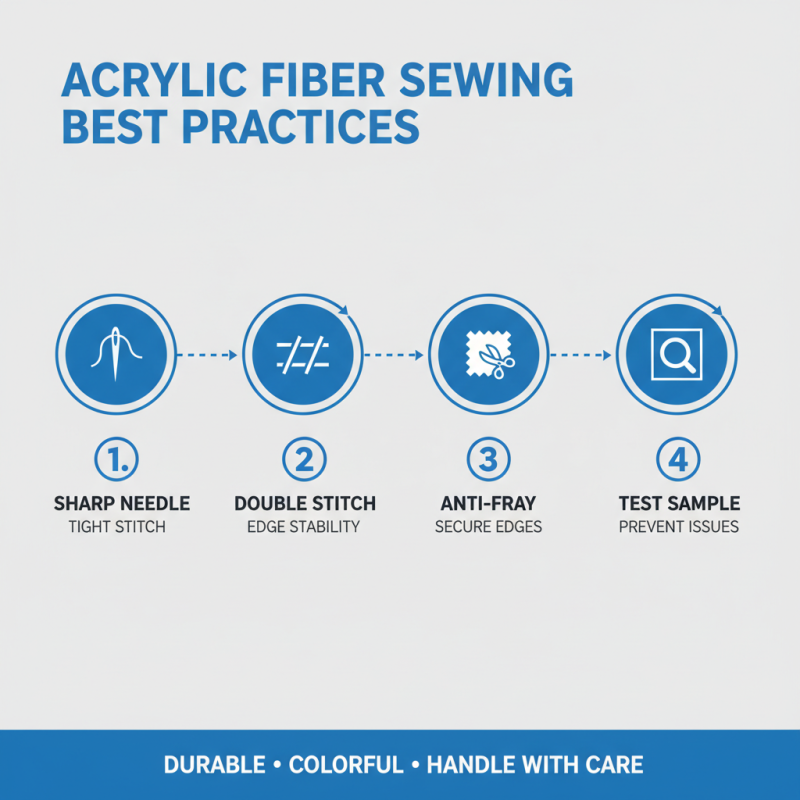
When dealing with acrylic fiber, it’s essential to adopt best practices to ensure successful sewing and finishing. Acrylic fabric is known for its durability and vibrant colors. However, it has a tendency to fray easily. Use a sharp needle and a tight stitch to secure edges. A double stitch can enhance stability and prevent unraveling. It's crucial to test a sample before starting your full project.
According to the Fiber Economics Bureau, acrylic fibers account for about 15% of global fiber production. Working with these fibers requires specific techniques. Sometimes, despite careful planning, seams may appear uneven. This imperfection can be remedied with proper pressing. Avoid excessive heat, as it can melt the fibers. Instead, use a low-temperature setting on your iron.
While acrylic has many advantages, it also has drawbacks. The fabric can be prone to pilling after washing. One solution is to choose a fabric with a tighter weave. Regular sewing techniques may not always yield the best results. Engaging in a reflective practice can improve your skills over time. Remember, every project is a learning opportunity.
Care and Maintenance Tips for Acrylic Fiber Products
Acrylic fiber is a popular choice for various products, from clothing to home textiles. However, proper care is essential to maintain its quality and longevity. According to a recent industry report, nearly 30% of consumers neglect care instructions, leading to premature wear.
To keep acrylic fibers looking their best, washing in cold water is crucial. Hot water can cause shrinkage or distort the fabric. Using a gentle detergent also helps protect the fibers. Some users make the mistake of using bleach, which can damage the material. Avoiding fabric softeners is advisable, as they can create a residue that dulls the appearance of the fiber.
Drying acrylic products should be done with care. Tumble drying on low heat is acceptable, but air drying is preferable. Hang items in a shaded area to prevent fading. A staggering 40% of users dry their acrylic items in direct sunlight, which can lead to discoloration. Storing acrylic products requires attention too. Keep items in a cool, dry place to prevent mildew. By addressing these common issues, users can improve the lifespan of their acrylic fiber products.


 No. 85 “Alexander Malinov” Blvd,
1715 Sofia, Bulgaria
No. 85 “Alexander Malinov” Blvd,
1715 Sofia, Bulgaria +359 2 953 0387
 sale@chemicalmojo.com