How to Identify the Best Textile Fibers for Your Needs?
In the dynamic world of textiles, selecting the right textile fibers is crucial. Various market reports indicate that the global textile fiber market is expected to reach $250 billion by 2025. This growth highlights the increasing significance of choosing suitable fibers for both functional and aesthetic purposes. Understanding the properties of textile fibers ensures that consumers can make informed decisions for their specific needs.
Natural fibers like cotton and wool are renowned for their breathability and comfort, while synthetic fibers such as polyester offer durability and resilience. Each fiber type has unique characteristics that cater to different uses. For instance, cotton is ideal for casual wear, while nylon is preferred for sports apparel. Statistics show that cotton usage accounts for 24% of produced fibers globally, reflecting consumer preference.
However, the process of identifying the best fibers can be overwhelming. Lack of knowledge and misinformation might lead to choices that don't align with expectations. It is essential to rely on reputable sources and data when evaluating options. As the textile industry evolves, consumers face the challenge of balancing sustainability with performance. Making the right choice in textile fibers can enhance both functionality and personal style, contributing to a more responsible approach to consumption.
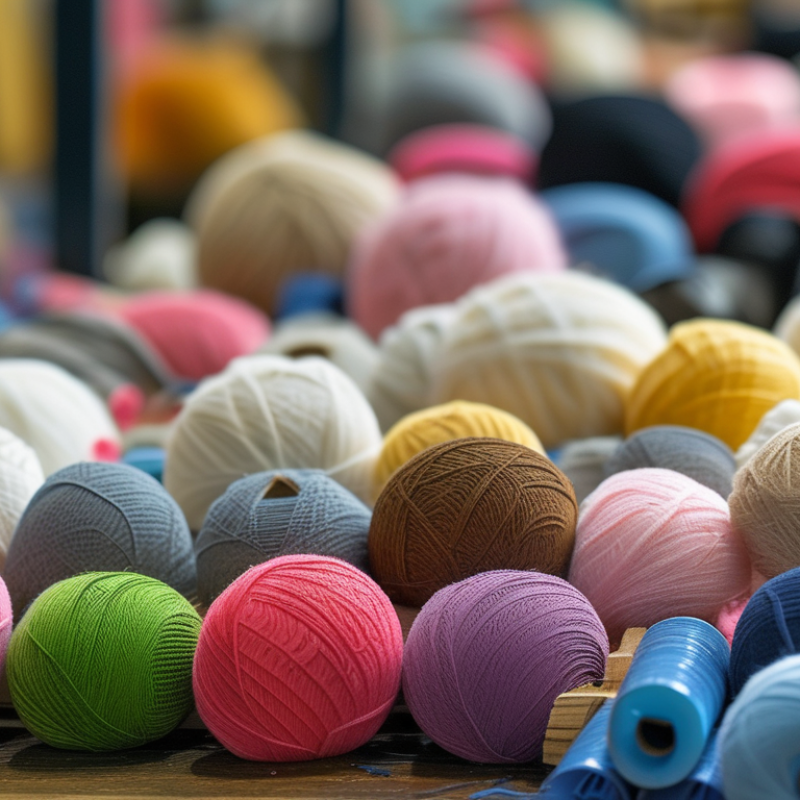
Understanding the Basics of Textile Fibers and Their Properties
Understanding textile fibers starts with recognizing their basic properties. Cotton, for example, is soft and breathable. It absorbs moisture well, making it ideal for warm climates. Wool, on the other hand, provides insulation and retains warmth even when wet. Each fiber has unique qualities that can influence comfort and durability.
Next, consider the fiber's elasticity and strength. Synthetic fibers like polyester are known for their resilience. They resist wrinkling and fading, although they may lack breathability. Natural fibers may offer a softer touch, but they can be less durable. Balancing these factors is crucial to meet your specific needs.
Reflecting on your personal experiences with different textiles can help refine your choices. Perhaps a cotton T-shirt felt great, but showed wear quickly. Or maybe wool socks kept your feet warm, yet were scratchy. These reflections guide you to make better decisions in the future. Understanding fibers involves recognizing both their strengths and weaknesses.
How to Identify the Best Textile Fibers for Your Needs?
| Fiber Type |
Source |
Properties |
Uses |
| Cotton |
Plant |
Soft, breathable, absorbent |
Clothing, home textiles |
| Wool |
Animal |
Warm, elastic, moisture-wicking |
Sweaters, blankets |
| Silk |
Animal |
Luxurious, smooth, strong |
Formal wear, linings |
| Polyester |
Synthetic |
Durable, quick-drying, wrinkle-resistant |
Clothing, upholstery |
| Nylon |
Synthetic |
Strong, lightweight, elastic |
Activewear, hosiery |
| Linen |
Plant |
Cool, absorbent, durable |
Summer clothing, table linens |
Identifying Your Purpose: Different Uses for Textile Fibers
When selecting textile fibers, understanding their purpose is critical. Different fibers serve various functions. For example, cotton is breathable and soft, making it ideal for casual clothing. Wool, on the other hand, provides warmth. Each fiber's properties dictate its best use.
Consider these tips: If you’re looking for durability, opt for synthetic fibers like polyester. If comfort is your priority, natural fibers such as linen or bamboo might be better. Remember, different situations may require different materials. What works for one project may not suit another.
Reflect on your choices. Some fibers may be eco-friendly but not as durable. Others may provide excellent durability but lack comfort. Identifying your priorities will help clarify which fibers to choose. Think about how the fabric feels against the skin and how it performs over time. Each aspect matters deeply.
Evaluating Fiber Types: Natural vs. Synthetic Fibers
When evaluating textile fibers, understanding the distinctions between natural and synthetic options is crucial. Natural fibers, like cotton and wool, are derived from plants and animals. They tend to breathe well and provide comfort, making them ideal for garments worn close to the skin. According to the Textile Exchange 2021 report, the global organic cotton market alone reached a size of 328,000 tons, highlighting a growing shift toward sustainable options.
On the other hand, synthetic fibers such as polyester and nylon are petroleum-based. They boast durability and resistance to wrinkles. The same report indicates that synthetic fibers still make up about 65% of the global fiber market. While these materials excel in performance, they raise environmental concerns regarding microplastics and landfill contributions.
Choosing the right fiber means weighing aspects like comfort, durability, and ecological impact. Some natural fibers may fall short in durability for outdoor use. Conversely, synthetic fibers might lack breathability. Each type comes with its own set of pros and cons. Understanding these factors empowers informed decisions about textile selection.
Comparison of Natural and Synthetic Textile Fibers
Assessing Durability and Maintenance Requirements of Fibers
Choosing the right textile fiber involves understanding durability and maintenance needs. Different fibers offer varying levels of strength, resilience, and care requirements. For instance, natural fibers like cotton can be soft and breathable, while synthetic fibers such as polyester are known for their durability.
When evaluating durability, consider the intended use. Fabrics exposed to wear and tear, such as upholstery or activewear, require robust fibers. Cotton may not withstand heavy use as well as nylon. In terms of maintenance, ease of cleaning is crucial. Some fibers can be machine washed, while others need special care. This can impact your decision significantly.
Tips: Look for fibers with stain-resistant properties for easy maintenance. It's also wise to check the fiber’s ability to withstand fading and pilling, especially for frequently used items. Regular cleaning can prolong the life of your textiles, enhancing both appearance and performance. Remember, the right fiber saves time and money in the long run. Reflecting on your needs helps you make a sound choice.
Making an Informed Choice: Factors to Consider When Selecting Fibers
Selecting the right textile fibers requires careful consideration of several factors. First, consider the intended use of the fabric. For example, cotton is breathable and absorbs moisture well, making it ideal for warm-weather clothing. In contrast, polyester offers durability and resistance to wrinkles, suitable for athletic wear. A report from the Textile Institute highlights that cotton comprises over 25% of global fiber production, showcasing its popularity.
Next, evaluate the environmental impact of the fibers. Sustainable options, like organic cotton or Tencel, are gaining traction. A study by the Global Organic Textile Standard found that organic cotton farming uses 91% less water than conventional methods. This awareness is crucial for eco-conscious consumers. While synthetic fibers dominate the market, natural fibers are gaining appreciation for their biodegradability and lower carbon footprint.
Lastly, consider the cost and availability of various fibers. Some high-performance textiles may be more expensive. An individual’s budget will significantly influence fiber choice. For instance, while silk feels luxurious, its high cost may limit wider usage. Balancing these aspects can lead to more informed decisions. Understanding these nuances fosters greater satisfaction with the final product, aligning personal values with practical needs.


 No. 85 “Alexander Malinov” Blvd,
1715 Sofia, Bulgaria
No. 85 “Alexander Malinov” Blvd,
1715 Sofia, Bulgaria +359 2 953 0387
 sale@chemicalmojo.com