How to Identify Different Types of Textile Fibers for Your Sewing Projects
In the world of sewing and textiles, understanding the different types of textile fibers is crucial for achieving the desired results in your projects. As renowned textile expert Dr. Emily Carter states, "The choice of fiber can make or break a garment, influencing not only its durability but also its overall aesthetic." With a plethora of options available, from natural fibers like cotton and silk to synthetic ones such as polyester and nylon, it can be overwhelming for both novice and experienced sewers to navigate this complex landscape.
This guide aims to demystify the various types of textile fibers by highlighting their unique characteristics, benefits, and suitable applications. By gaining insights into the properties of these fibers, sewists can make informed decisions that enhance their creative projects. Whether you are looking to create a breathable summer dress or a durable outdoor jacket, understanding the differences among various textile fibers is key to ensuring your sewing projects succeed. Engage with the engaging world of textiles and elevate your sewing skills through knowledge and expertise in the different types of textile fibers.
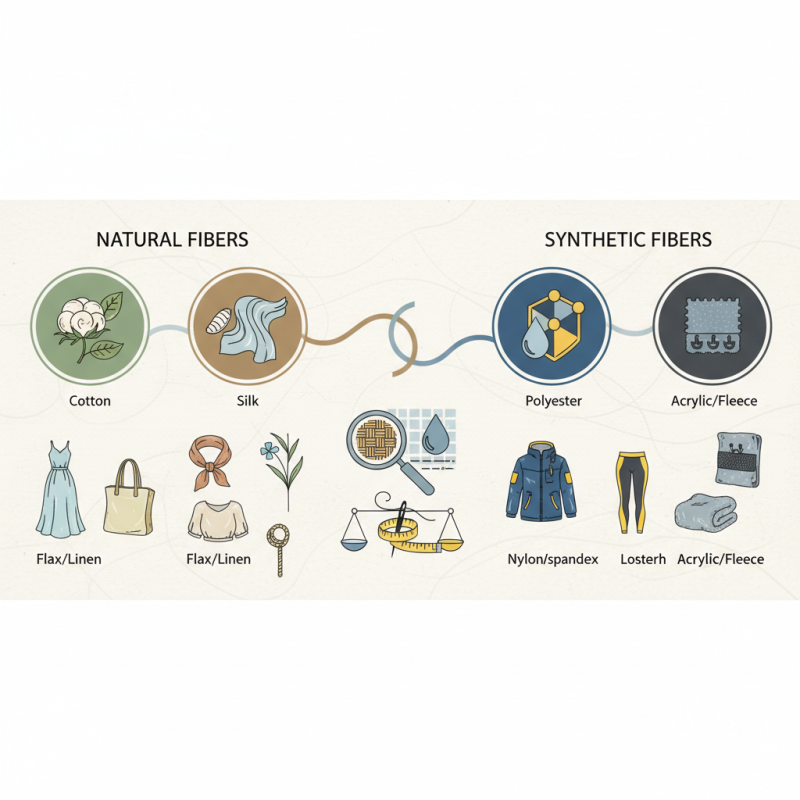
Understanding Textile Fibers: A Comprehensive Overview
Textile fibers are the building blocks of all fabrics, playing a crucial role in the performance, durability, and aesthetic of sewing projects. Understanding the different types of fibers can help you choose the right material for your specific needs. Natural fibers, such as cotton, linen, wool, and silk, are derived from plants and animals, offering breathability and comfort. Synthetic fibers, including polyester, nylon, and spandex, are man-made and often provide enhanced durability and elasticity.
When selecting fibers for sewing, consider how they will perform in your intended project. For instance, if you’re making summer garments, light and breathable fabrics like cotton or linen are ideal. Conversely, for cozy winter apparel, wool or synthetic blends may offer better insulation.
Tips: Always check the fiber content on fabric labels to ensure you understand the properties. Conducting a simple burn test can also help identify fibers: natural fibers will produce ash, whereas synthetic fibers tend to melt. Moreover, remember to pre-wash your fabrics to account for potential shrinking, which is especially important with natural fibers.
Identifying Natural Fibers: Cotton, Linen, Silk, and Wool
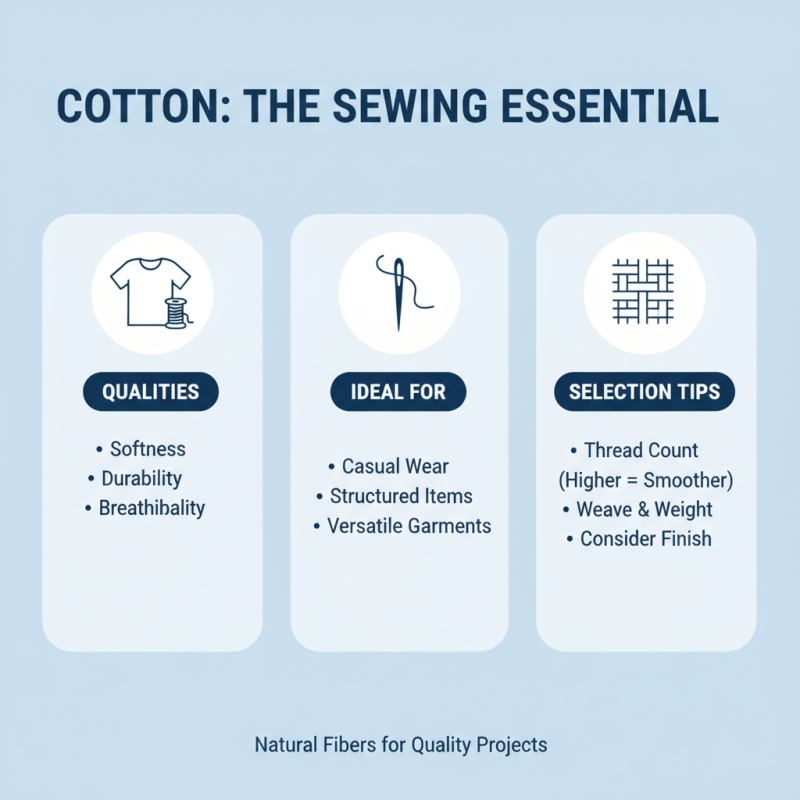
Identifying natural fibers is essential for any sewing project, as each fiber has unique qualities that can affect the final product. Cotton, a widely used fiber, is known for its softness, durability, and breathability. It is ideal for a range of garments, from casual wear to more structured items. Cotton comes in various weights and weaves, making it versatile for sewing enthusiasts. When selecting cotton, consider the thread count and finish; a higher thread count often indicates a smoother fabric suitable for more delicate projects.
Linen, derived from the flax plant, is another natural fiber prized for its strength and breathability. It is particularly appreciated in warm weather due to its moisture-wicking properties. However, linen can wrinkle easily, which adds to its charm but may require extra care during sewing. When working with linen, it's crucial to pre-wash the fabric to prevent shrinkage and ensure the best results during construction.
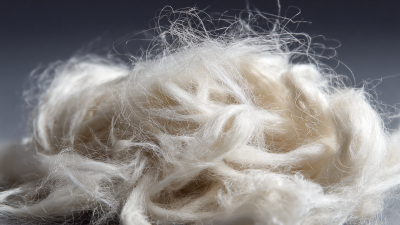
Silk, known for its luxurious feel and sheen, adds a touch of elegance to any sewing project. This natural fiber drapes beautifully, making it perfect for flowing garments and delicate accessories. However, silk requires careful handling due to its tendency to fray and snag. When sewing with silk, using a fine needle and French seams can help maintain the integrity of the fabric. Finally, wool, which is celebrated for its warmth and insulating properties, is ideal for tailored outerwear and cozy garments. Different types of wool, from soft merino to more textured varieties, can offer unique looks and feels, making it a favorite among sewing aficionados.
Exploring Synthetic Fibers: Polyester, Nylon, and Acrylic
Synthetic fibers have revolutionized the textile industry, offering versatility and durability for various sewing projects. Among these, polyester, nylon, and acrylic are three of the most commonly used fibers. Each has unique properties that make them suitable for different applications, and understanding these differences can significantly enhance your sewing experience.
Polyester is renowned for its strength, resilience, and resistance to wrinkles and shrinking. It is often used for clothing, home furnishings, and outdoor gear due to its ability to retain shape and color over time. When sewing with polyester, choose the appropriate needle and thread to prevent issues, as it can sometimes be slippery. Nylon, on the other hand, features a smooth finish and exceptional elasticity, making it ideal for items that require stretch, such as activewear and hosiery. Its water-resistant qualities also make nylon a popular choice for outdoor textiles.
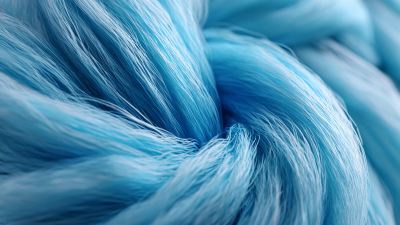
Acrylic fibers are lightweight and soft, mimicking the feel of wool while being more resilient to moths and mildew. They are often used in sweaters, blankets, and a variety of craft projects. Acrylic is easy to dye and tends to hold its color well, which makes it an appealing option for vibrant and long-lasting textile creations. By recognizing the characteristics of these synthetic fibers, sewists can better select materials that align with their project needs, ensuring both functionality and aesthetic appeal.
How to Identify Different Types of Textile Fibers for Your Sewing Projects - Exploring Synthetic Fibers: Polyester, Nylon, and Acrylic
| Fiber Type |
Characteristics |
Common Uses |
Care Instructions |
| Polyester |
Durable, moisture-wicking, resistant to wrinkles and shrinking |
Clothing, upholstery, outdoor fabrics |
Machine wash cold, tumble dry low |
| Nylon |
Strong, elastic, resistant to abrasion and mildew |
Activewear, swimwear, hosiery |
Machine wash warm, tumble dry low |
| Acrylic |
Lightweight, soft, resembles wool, good color retention |
Sweaters, blankets, crafts |
Machine wash cold, tumble dry on low heat |
Recognizing Blends and Specialty Fibers for Unique Projects
Understanding the nuances of textile fibers is crucial for any sewing enthusiast, particularly when dealing with blends and specialty fibers for unique projects. According to a report by the Textile Research Institute, the market for specialty fibers is projected to grow significantly, with an annual growth rate of 5.2% over the next five years. This growth is largely driven by increasing demand for sustainable and performance-oriented materials. Blends, which combine the properties of different fibers, can greatly enhance the performance and aesthetic appeal of your projects. For example, a cotton-polyester blend offers the softness and breathability of cotton while adding the durability and wrinkle-resistance of polyester.
Recognizing specialty fibers, such as rayon, modal, or bamboo, also plays a significant role in achieving specific functionalities in your sewing projects. These fibers are known for their unique moisture-wicking properties, which make them ideal for activewear and summer garments. A study by the American Institute of Textile Technology found that garments made from specialty fibers had a 30% higher customer satisfaction rate regarding comfort and wearability than those made from conventional fibers. By familiarizing yourself with these various fiber types and their unique characteristics, you can create projects that not only look good but also perform exceptionally well, catering to the diverse needs of modern consumers.
Practical Tips for Choosing the Right Fiber for Your Sewing Needs
When embarking on a sewing project, choosing the right fiber is crucial for the success and longevity of your creation. Different fibers each have unique properties that can greatly affect the outcome of your work. For instance, natural fibers like cotton and linen are breathable, making them ideal for warm-weather garments. However, they may require more care in maintenance compared to synthetic fibers, which are often more durable and stain resistant. Assess your project’s needs carefully, considering factors like wear, comfort, and the intended use of the finished item.
Additionally, think about the drape and texture of the fibers you are considering. Certain projects may call for a soft, flowing fabric like rayon or silk, while others may need the sturdiness of canvas or denim. Be mindful of the weight and weave of the fabric as well, as these characteristics will influence how your final piece hangs and moves. By understanding the attributes of various fibers, you can make informed choices that align with your sewing goals, ensuring that your projects not only look good but also perform well over time.
Textile Fiber Identification for Sewing Projects


 No. 85 “Alexander Malinov” Blvd,
1715 Sofia, Bulgaria
No. 85 “Alexander Malinov” Blvd,
1715 Sofia, Bulgaria +359 2 953 0387
 sale@chemicalmojo.com