2026 How to Use Polyester Fiber in Sustainable Fashion Production?
In recent years, the sustainable fashion industry has seen a significant transformation. The use of polyester fiber is at the forefront of this change. According to a report from the Textile Exchange, more than 52% of global fiber production is polyester. This statistic highlights its dominance and the need for sustainable practices.
Experts emphasize the importance of recycling and innovating in materials. Dr. Emily Chen, a leading figure in sustainable textiles, states, "Reinventing polyester fiber can drive the fashion industry toward sustainability." This sentiment resonates with many brands striving to produce eco-friendly clothing. However, challenges remain. The environmental impact of polyester production raises pressing questions about its long-term viability.
Pollution and microplastic issues demand urgent action. Consumers are increasingly aware of these concerns. Brands must find ways to balance polyester's benefits with its drawbacks. Innovative solutions in recycling and production are crucial for a sustainable future. As we look towards 2026, the fashion industry must critically assess its relationship with polyester fiber.
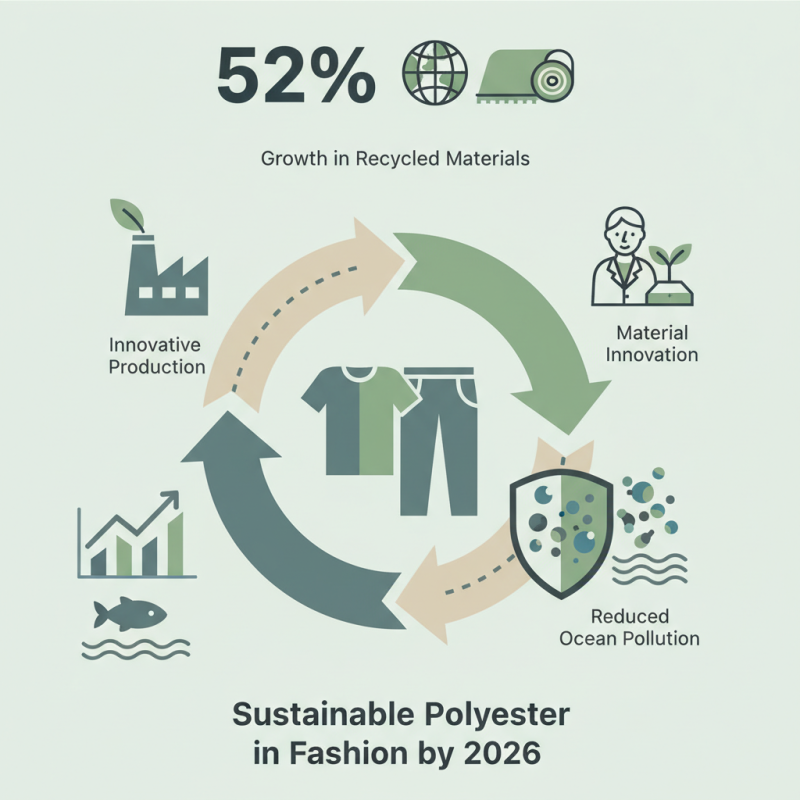
Understanding Polyester Fiber and Its Environmental Impact
Polyester fiber plays a significant role in sustainable fashion. However, it is essential to understand its environmental impact. Polyester, made from petroleum, is not biodegradable. Unlike natural fibers, it can take hundreds of years to decompose. According to the Textile Exchange, polyester represented 55% of global fiber production in 2021. This high dependency raises serious concerns about resource consumption and plastic pollution.
Many brands are exploring recycled polyester. It can significantly reduce energy use and emissions compared to virgin polyester. Reports indicate that recycled polyester can save up to 70% of the energy needed for production. Yet, there is a caveat. Recycling processes are not without their own environmental costs. Chemical treatments can release harmful substances, affecting ecosystems.
**Tips:** Always choose certified recycled polyester. Check for labels like GRS (Global Recycled Standard) or RCS (Recycled Claim Standard). Supporting brands that prioritize transparency can push the industry towards sustainability.
Fashion designers can also innovate with blends. Combining polyester with organic cotton or Tencel can reduce the total amount of polyester used. However, too much focus on blends might complicate recycling processes later. Awareness of these dualities is crucial for a truly sustainable approach.
Environmental Impact of Polyester Fiber in Sustainable Fashion
This bar chart illustrates the environmental impact of producing 1 kg of polyester fiber, highlighting key factors such as water consumption, energy usage, carbon dioxide emissions, and microplastic release. Understanding these metrics is crucial for making informed decisions in sustainable fashion production.
Sourcing Sustainable Polyester: Recycled vs. Virgin Fiber
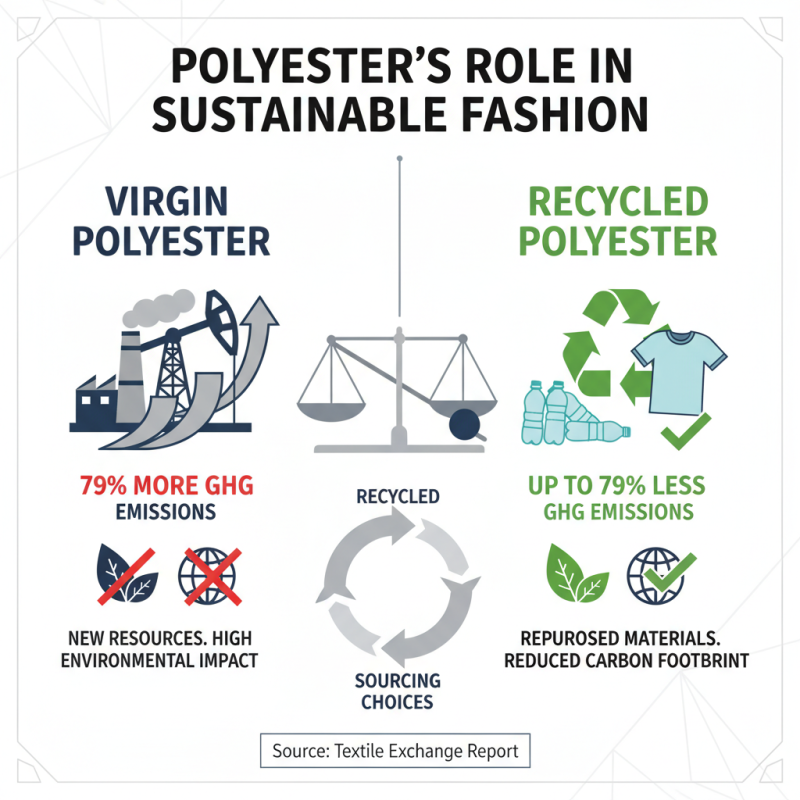
Polyester fiber plays a crucial role in sustainable fashion. Sourcing sustainable polyester involves choosing between recycled and virgin fiber. The impact of these choices is significant. According to a report by the Textile Exchange, recycled polyester can reduce greenhouse gas emissions by up to 79% compared to virgin polyester. This presents a compelling case for brands looking to lower their carbon footprint.
Recycled polyester is made from post-consumer waste. This includes plastic bottles and discarded textiles. This process not only reduces landfill waste but also requires less energy. However, challenges remain. The quality of recycled fibers can vary, leading to potential durability issues. Brands must carefully assess their sources to ensure high-quality outputs.
Virgin polyester, while offering consistency, poses an environmental challenge. The production process involves extracting crude oil and consuming large amounts of water. It also contributes to plastic pollution. Choosing virgin fiber may seem easier, but it raises sustainability concerns. Spurring a shift toward recycled options requires collaboration and innovation within the industry.
Innovative Techniques for Incorporating Polyester in Fashion
Polyester fiber can play a significant role in sustainable fashion. Innovative techniques are emerging to incorporate this material responsibly. One exciting method involves recycling post-consumer plastic bottles into polyester fibers. This process reduces waste and keeps plastic out of landfills. When woven into fabrics, these fibers can offer durability and versatility.
Another approach is blending polyester with organic materials like cotton or hemp. This mix can create breathable, comfortable clothing while minimizing environmental impact. Designers can experiment with various textures and colors, pushing the boundaries of creativity. However, the challenge lies in ensuring that these blends remain eco-friendly throughout their lifecycle.
Fashion production often involves a trade-off. While polyester can be more affordable, its production has environmental costs. Consumers face dilemmas when choosing between cost and sustainability. It's essential to continue exploring new methods that reduce polyester's harmful effects while enhancing its benefits. Developers must balance innovation with these responsibilities to create truly sustainable practices.
Designing with Polyester: Sustainable Practices in Production
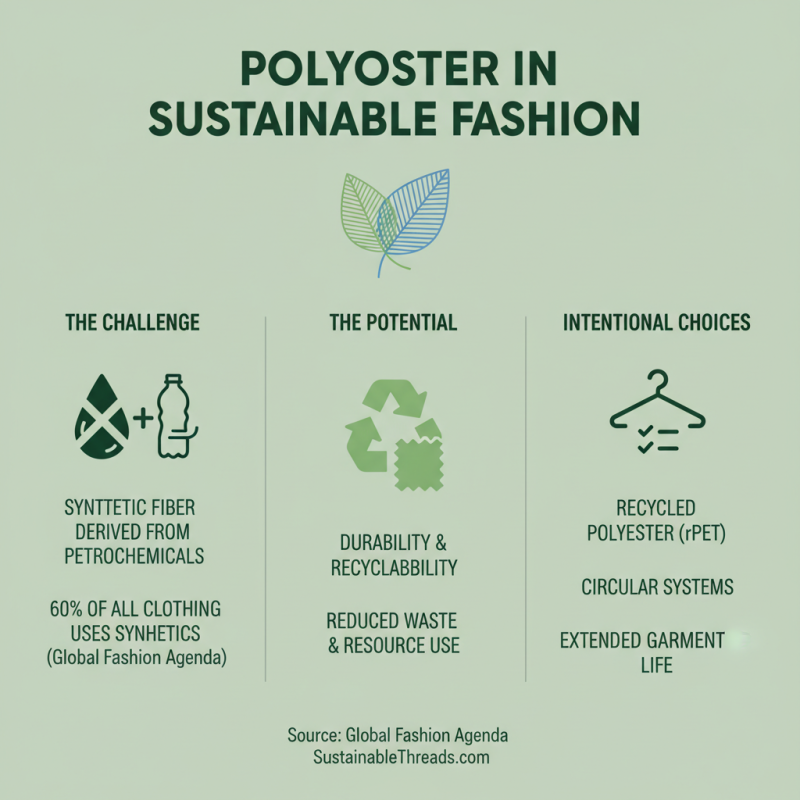
Designing with polyester in sustainable fashion requires intentional choices. Polyester, a synthetic fiber, is derived from petrochemicals. Yet, it holds potential for a more sustainable future. According to the Global Fashion Agenda, around 60% of synthetic fibers are used in clothing. This statistic reveals the scale and significance of polyester in the industry.
Sustainable practices can guide designers using polyester. Selecting recycled polyester is one step forward. Recycled materials significantly reduce energy consumption. For instance, producing recycled polyester uses 60% less energy than virgin polyester. However, not all recycling processes are equal. Many still depend on energy-intensive systems, highlighting the need for improvement.
Tip: Consider local sourcing for polyester blends. This can help reduce the carbon footprint associated with shipping. Another approach is to implement a circular design strategy. This encourages garment recycling and promotes longevity. However, challenges remain. The fashion industry must tackle overconsumption and waste. Striking a balance between innovation and responsibility is vital for sustainable practices.
Consumer Awareness and the Role of Polyester in Eco-Friendly Fashion
Consumer awareness is crucial when discussing polyester in sustainable fashion. Many people don’t realize that polyester can be recycled. Using recycled polyester reduces waste and conserves resources. Consumers should look for clothing made from this material. Awareness of how fabrics impact the environment is essential.
Polyester has a dual nature. It’s durable but can contribute to plastic pollution. Choosing garments made from recycled polyester can mitigate this issue. Fashion education needs to focus more on material sourcing. Brands should communicate their production processes more clearly. Shoppers often feel overwhelmed, and the eco-friendly label choices can be confusing.
Understanding the environmental impact of our clothing is vital. Information about polyester's lifecycle is often missing from labels. Many wellness-oriented consumers want eco-friendly options but struggle to find them. The role of polyester in sustainable fashion can be complex. It’s time for deeper conversations about fabric choices and their implications.
2026 How to Use Polyester Fiber in Sustainable Fashion Production? - Consumer Awareness and the Role of Polyester in Eco-Friendly Fashion
| Sustainability Factor |
Polyester Fiber Application |
Consumer Awareness Level (%) |
Future Potential (1-5) |
| Recyclability |
Use of recycled polyester in production |
65 |
5 |
| Water Usage |
Dry dyeing technology for reduced water consumption |
50 |
4 |
| Carbon Footprint |
Utilizing low-emission production technologies |
70 |
5 |
| Biodegradability |
Exploration of bio-based polyester alternatives |
40 |
3 |
| Energy Use |
Implementation of renewable energy in manufacturing |
60 |
4 |



 No. 85 “Alexander Malinov” Blvd,
1715 Sofia, Bulgaria
No. 85 “Alexander Malinov” Blvd,
1715 Sofia, Bulgaria +359 2 953 0387
 sale@chemicalmojo.com