What is a Rock Dredger and How Does It Work?
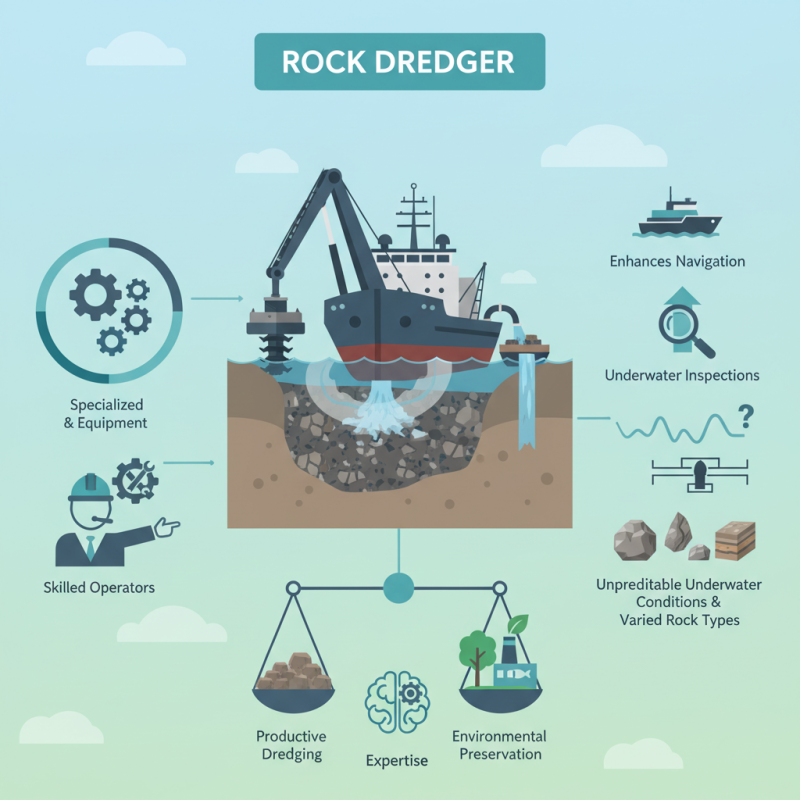
A Rock Dredger is an essential machine in various construction and marine projects. It specializes in removing rock and sediment from riverbeds, lakes, and coastal areas. The process is complex, requiring specialized knowledge and equipment. This method enhances navigation channels and aids in underwater inspections.
Operating a Rock Dredger involves more than just removing debris. It requires skilled operators who can manage the equipment effectively. These professionals understand the geology of the area and the technical aspects of the dredging process. However, challenges abound. Operators often face unpredictable underwater conditions and varied rock types.
Despite advancements in technology, rock dredging is not without its flaws. For instance, the environmental impact may be significant, warranting careful management. Operators must prioritize sustainability while ensuring efficiency. Therefore, a balance between productive dredging and environmental preservation is crucial. The expertise embedded in rock dredging shapes its future.
Definition and Purpose of a Rock Dredger in Marine Engineering
A rock dredger is a specialized vessel used in marine engineering. Its primary purpose is to excavate, transport, and dispose of rocky materials from bodies of water. This equipment plays a critical role in various projects, such as harbor construction and river navigation improvement. By removing hard materials, dredgers facilitate safer and more efficient waterways.
Rock dredgers utilize advanced technology to perform their tasks. They often feature powerful hydraulic systems and specific cutting tools. These components enable them to break through solid rock and sediment. The process can be challenging. Engineers must assess the geology of the area before dredging begins, ensuring that the project aligns with environmental standards. With hard rock formations, unexpected complications may arise, requiring adjustments in tactics.
Understanding the operational aspects of a rock dredger reveals its complexity. The machinery must be operated by skilled professionals. Mistakes can lead to costly setbacks. Regular maintenance of the equipment is crucial for optimal functionality. In some cases, dredging can disrupt local ecosystems. It is essential for engineers to weigh the benefits against potential environmental impacts.
Types of Rock Dredgers and Their Specifications in the Industry
Rock dredgers are specialized machines used for excavating rocks from riverbeds or seabeds. They play a crucial role in construction and mining. Various types of rock dredgers meet specific industry needs. Each type is designed with unique specifications to efficiently handle different rock densities and environmental conditions.
One common type is the bucket ladder dredger. It uses a bucket mechanism to scoop rocks up from the seabed. Another variant is the crawler-mounted dredger, which is ideal for land-based operations. Lastly, there are hydraulic dredgers, known for their ability to handle both soft and hard materials. Each type operates differently, emphasizing the importance of selecting the right equipment for the task.
When choosing a rock dredger, consider the project scale and rock type. Assess the dredging depth and environment, as these factors greatly influence performance. Always consult with experts for guidance. Be cautious; improper selection may lead to inefficiencies or equipment failure. Doing thorough research is vital.
Working Mechanism of Rock Dredgers: Techniques and Technologies
Rock dredgers play a crucial role in various marine and construction projects. Their working mechanism is fascinating and complex. These machines are designed to excavate and remove rock and sediment from the seabed or riverbed.
The process begins with powerful cutting tools that break up the rock.
Once the rock is fragmented, hydraulic systems come into play. They create suction to draw in the debris. The mixture of water and rock is then transported through pipes to designated locations. It’s essential for operators to have a deep understanding of this technology.
Not all rock dredgers function the same way, and environmental considerations complicate their use. Operators must be skilled in adjusting the machine's settings for different rock types. Some techniques are well-established, but continuous innovation is needed.
In certain situations, equipment may fail to perform as expected. Regular maintenance is crucial, and operators often face challenges managing sediment disturbance. It's a complex balancing act between efficiency and environmental impact.
Key Applications of Rock Dredgers in Construction and Environmental Projects
Rock dredgers play a crucial role in construction and environmental projects. These machines are designed to excavate and transport rock and sediment from underwater environments. They are used extensively in marine construction, channel deepening, and environmental restoration efforts. According to recent industry reports, the global rock dredging market is expected to grow by over 5% annually due to increasing infrastructure demands and environmental regulations.
One key application of rock dredgers is in the creation of artificial islands and land reclamation projects. These projects often require precise excavation to ensure stability. In many regions, companies are using dredgers to reclaim land from rising sea levels. Implementing effective dredging techniques can significantly reduce environmental disturbances. A study from the International Association of Dredging Companies highlighted that sustainable dredging practices can lower the impact on aquatic life by up to 30%.
**Tips**: When selecting a rock dredger, consider its efficiency and environmental impact. Review recent project data to understand the best practices in the field. Engage with experts to refine your approach and avoid common pitfalls. Always assess the local regulations, as compliance is crucial for successful project execution.
What is a Rock Dredger and How Does It Work? - Key Applications of Rock Dredgers in Construction and Environmental Projects
| Application Area | Description | Benefits | Key Features |
| Construction Projects | Used to excavate large volumes of rock for foundations and tunnels. | Efficiently removes material, enhancing project timelines. | Heavy-duty equipment, high cutting force, ability to work in difficult conditions. |
| Environmental Remediation | Removes contaminated sediment from water bodies. | Improves water quality and restores habitats. | Precision dredging capabilities, minimizes collateral damage. |
| Mining Operations | Extracts valuable minerals and ores from rock beds. | Increases recovery rates of minerals. | Robust design, capability of handling tough materials. |
| Coastal Protection | Digs out sand and sediment to create barriers against erosion. | Helps maintain shorelines and prevent flooding. | Flexible working depth, adaptable for various coastal terrains. |
| Infrastructure Upgrades | Facilitates the expansion of existing structures by excavating rock. | Speeds up upgrade processes for utilities and transportation. | High maneuverability, capable of operating in urban environments. |
Safety and Environmental Considerations in Rock Dredging Operations
Rock dredging operations play a crucial role in various industries such as construction and mining. However, they also pose significant safety and environmental risks. According to the U.S. Environmental Protection Agency, sediment disturbance can release toxins stored in the ocean floor. This can affect marine life, disrupting the ecosystem.
Safety protocols are essential in rock dredging. Workers must wear protective gear, as exposure to dust and heavy machinery can lead to injuries. In a report by the Occupational Safety and Health Administration, it was noted that dredging-related accidents often occur due to inadequate safety measures. Regular training and adherence to safety guidelines are needed to reduce risks.
Environmental considerations cannot be overlooked. Dredging impacts water quality and habitat. The World Wildlife Fund indicates that over 50% of marine species are affected by habitat degradation. To counteract these effects, companies are increasingly utilizing technology to monitor and minimize disturbances. The need for balance between resource extraction and environmental stewardship is pressing.
Rock Dredging Operations: Safety and Environmental Considerations


 No. 85 “Alexander Malinov” Blvd,
1715 Sofia, Bulgaria
No. 85 “Alexander Malinov” Blvd,
1715 Sofia, Bulgaria +359 2 953 0387
 sale@chemicalmojo.com