How to Start a Successful Textile Manufacturing Business?
In the vibrant world of textile manufacturing, making a mark requires more than just a solid plan. Successful entrepreneur and textile expert, Sarah Lopez, emphasizes, “Innovation and sustainability are keys to thriving in textile manufacturing.” Her insights reflect the need for creativity alongside practicality.
Starting a textile manufacturing business can be daunting. The industry is competitive, and many first-time entrepreneurs struggle. One must navigate sourcing materials, understanding market trends, and managing production efficiently. Each decision impacts the overall success of the venture. Often, new business owners overlook the importance of continuous learning and adaptation.
Moreover, not all products will resonate with consumers. Trials and errors shape the path to success. Picking the right niche is essential. Pay attention to customer feedback and ever-changing fashion trends. Textile manufacturing is about more than creating products; it's about building a brand that speaks to its audience. Embrace the challenges and learn from them.
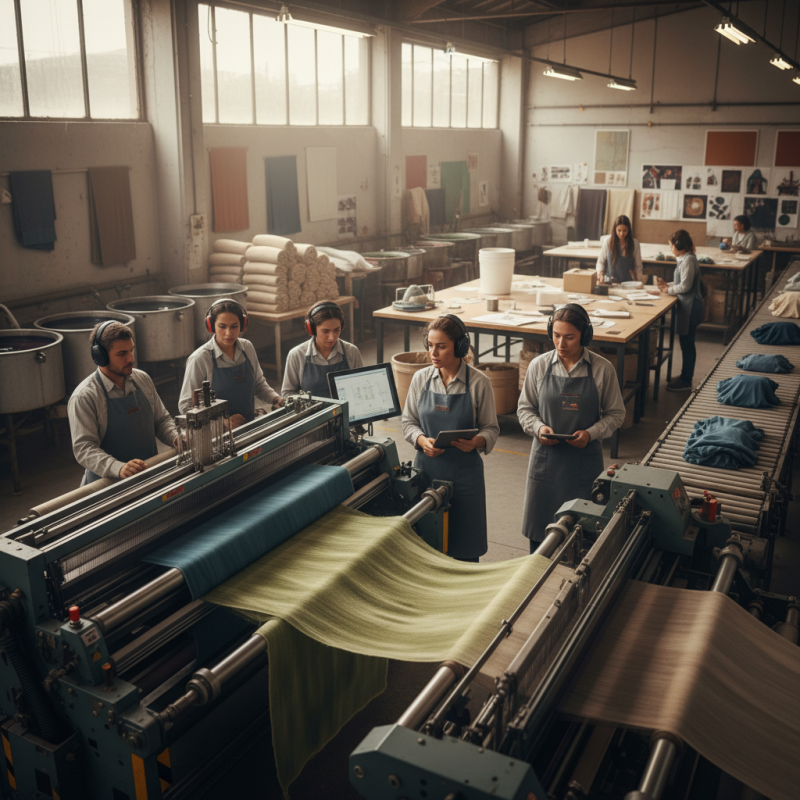
Understanding the Textile Industry Landscape and Market Trends
The textile industry is vast and dynamic. Understanding its landscape is crucial for success. New entrepreneurs must research prevailing trends. Sustainability is a major focus now. Eco-friendly materials attract consumers. This trend is reshaping production methods.
Tips: Embrace innovation. Look for new techniques that can improve efficiency. Attend industry expos to network and gain insights.
Another aspect to consider is consumer behavior. People value quality and durability. Fast fashion is losing appeal. As a result, many seek unique, handcrafted items. This shift can create opportunities for small manufacturers. But it's easy to miss this trend if you're not paying attention.
Tips: Invest time in market research. Use surveys to gauge customer preferences. Listen to feedback and adapt accordingly. This can make all the difference in your trajectory.
Identifying Your Niche: Selecting the Right Textile Products to Manufacture
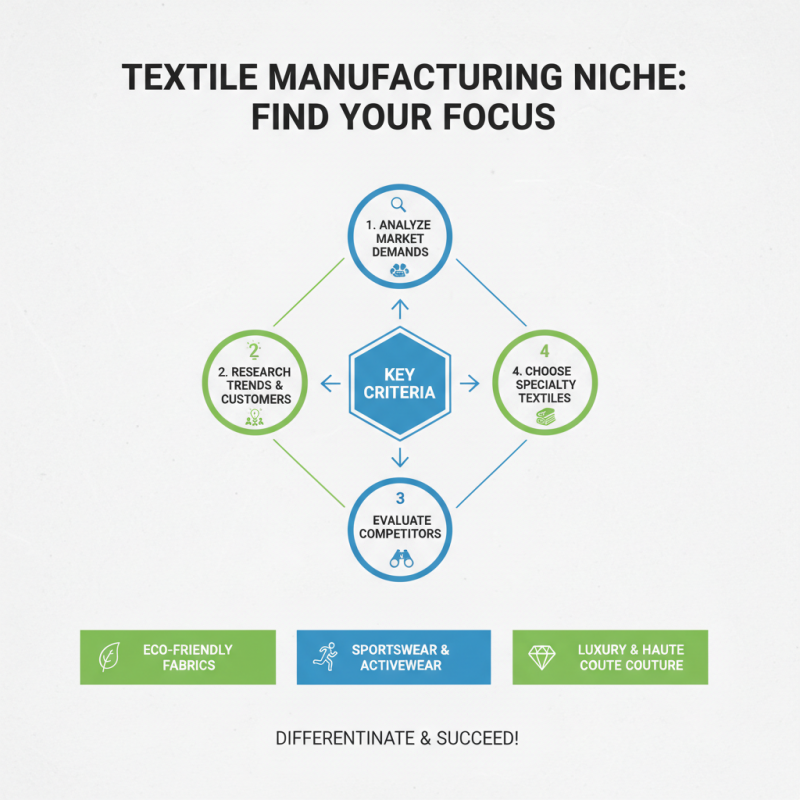
Identifying your niche in the textile manufacturing industry is crucial. It involves selecting the right products to create. You need to analyze market demands carefully. Look at trends, customer preferences, and competitors. Specializing in a specific type of textile can set you apart. This might be eco-friendly fabrics, sportswear, or luxury textiles.
Tips: Research local and global markets. Identify gaps that others may overlook. This will help you make informed decisions.
Consider the production costs versus potential profit margins. Sometimes, high-quality materials can lead to better sales. However, they can also strain your budget. Ensure that your choice aligns with your target audience’s needs.
Don't rush the decision-making process. Explore different textiles before committing. Test your ideas through small production runs. Gather feedback, and be prepared to pivot. Flexibility can lead to unexpected positive outcomes. Listen to your customers. Their opinions might steer you toward a successful product.
Building a Business Plan: Key Components and Financial Projections
When building a business plan for a textile manufacturing venture, clarity is essential. A solid business plan outlines your goals and strategies. Research shows that nearly 70% of startups fail due to lack of planning. Start with an executive summary that captures your vision. Define your target market and the specific textile niche you will address. For instance, focusing on sustainable fabrics can set you apart in a crowded market.
Financial projections are a critical component. According to industry reports, the textile manufacturing market is expected to reach $1 trillion by 2025. Knowing your production costs is vital. Consider material expenses, labor, and overhead. A detailed budget can prevent unforeseen surprises. Allocate 20-30% for unforeseen expenses. Monitoring cash flow is crucial; inadequate cash flow is a common pitfall for businesses.
Reflecting on potential challenges is equally important. The textile industry faces issues like fluctuating raw material prices. This can severely impact profit margins. Conduct a SWOT analysis to identify strengths, weaknesses, opportunities, and threats. Addressing these upfront enables better preparation for hurdles. Adaptability will be a key asset as trends and technology evolve rapidly in this field.
Sourcing Raw Materials: Best Practices for Quality and Cost Management
Sourcing raw materials is a critical step in starting a successful textile manufacturing business.
Quality and cost are two key factors to consider. Engaging with multiple suppliers is essential for finding the best prices. When sourcing fabric, it’s vital to assess the quality firsthand.
Examine samples carefully before making bulk purchases. This might seem tedious but can prevent costly mistakes later.
Building strong relationships with suppliers is crucial. Regular communication fosters trust and transparency. Sometimes, suppliers may not meet expectations. In such cases, reevaluating partnerships can be necessary. It’s also beneficial to visit production sites if possible. This insight allows you to understand their processes better and address potential issues early.
Moreover, understanding market trends helps in sourcing. Fabrics are influenced by seasonal demand and changing tastes. Keeping an eye on these trends may lead to better pricing deals. However, this involves some risk. Predicting what will sell well can be challenging.
Flexibility and adaptability are key traits for successful sourcing. Always be ready to pivot strategies when faced with unexpected challenges.
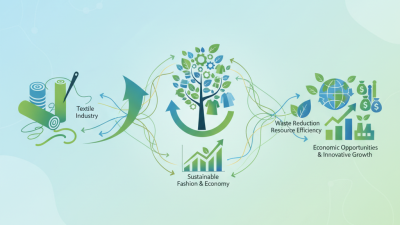
Implementing Sustainable Practices in Textile Manufacturing for Longevity
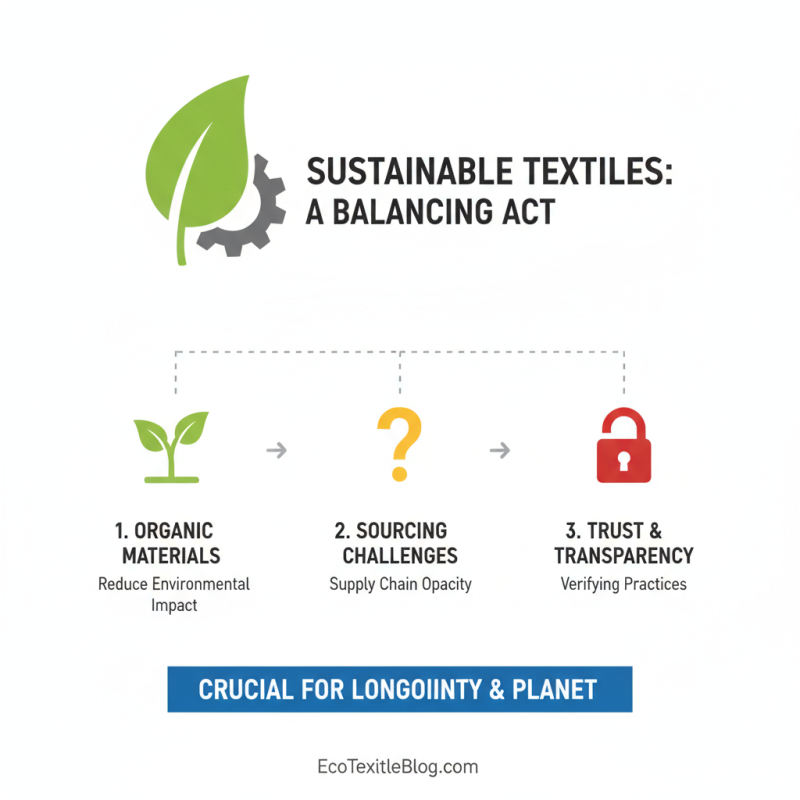
Sustainable practices in textile manufacturing are crucial for longevity. Using organic materials can reduce environmental impact. However, sourcing these materials often presents challenges. Often, suppliers may not be transparent about their practices. This can complicate your commitment to sustainability.
Implementing waste reduction strategies is essential. Recycling fabric scraps and reusing materials can minimize waste. However, it takes time to establish effective systems. You might face resistance from employees accustomed to traditional methods. Training and patience are necessary to shift the culture towards sustainability.
Additionally, energy consumption in manufacturing should be considered. Transitioning to renewable energy sources is beneficial, yet costly. Factors such as budget constraints can hinder quick changes. Regular assessments can help identify areas for improvement. While pursuing sustainable practices, it’s vital to remain flexible and open to new ideas.






 No. 85 “Alexander Malinov” Blvd,
1715 Sofia, Bulgaria
No. 85 “Alexander Malinov” Blvd,
1715 Sofia, Bulgaria +359 2 953 0387
 sale@chemicalmojo.com