Why Is the Textile Industry Important for Sustainable Fashion and Economy?
The significance of the textile industry in fostering sustainable fashion and bolstering the economy has garnered increasing attention in recent years. With a global market that spans millions of workers and countless creative minds, the textile industry is pivotal not only in providing livelihoods but also in driving innovation toward eco-friendly practices. As Dr. Maria Johnson, a renowned expert in sustainable textiles, aptly stated, "The textile industry has the power to influence both environmental and economic landscapes, making it a crucial player in the movement towards sustainability."
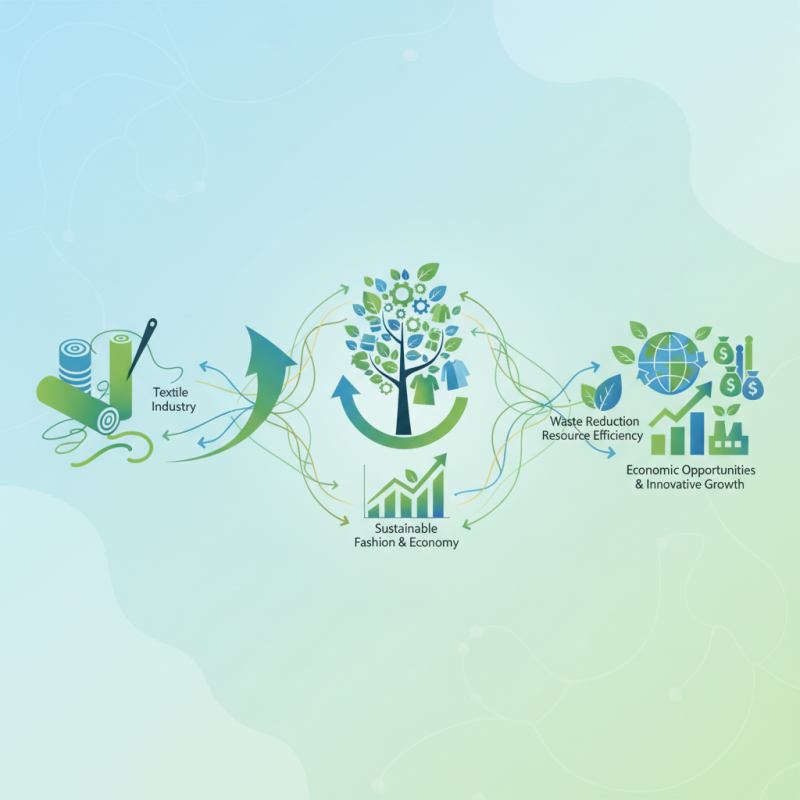
Moreover, the textile industry is at the forefront of addressing critical issues such as waste reduction and resource efficiency. By adopting sustainable practices, companies within this sector can significantly lower their carbon footprint and contribute positively to the ecosystem. The push for ethical production methodologies aligns seamlessly with the growing consumer demand for sustainable fashion, ensuring that environmental consciousness is considered in every stitch and fabric created.
As we delve deeper into the symbiotic relationship between the textile industry and sustainable fashion, it becomes clear that the transformation of this industry is essential for a greener economy. The journey toward sustainability not only benefits the planet but also presents numerous economic opportunities, making the textile industry a cornerstone of future innovative growth.
The Role of the Textile Industry in Sustainable Fashion Practices
The textile industry plays a critical role in shaping sustainable fashion practices, contributing significantly to environmental conservation and economic development. According to the Ellen MacArthur Foundation, the fashion industry accounts for approximately 10% of global carbon emissions, making the shift to sustainable textile production essential. By adopting eco-friendly materials, such as organic cotton and recycled polyester, the industry can drastically reduce its carbon footprint while promoting responsible consumer behavior.
In addition to environmental benefits, the textile industry also fosters economic growth through sustainable practices. The Global Fashion Agenda's 2021 report highlights that transitioning to a circular fashion model could generate up to $560 billion in economic benefits by reducing waste and increasing resource efficiency. Implementing strategies such as recycling, upcycling, and sustainable sourcing not only bolsters the industry’s resilience but also creates job opportunities in emerging sectors focused on sustainability. This interconnected relationship between sustainable fashion practices and the textile industry emphasizes the imperative of systemic change to support both ecological and economic wellness.
Environmental Impact of Textile Production on Sustainability Metrics
The textile industry plays a crucial role in sustainable fashion due to its significant environmental impact. Textile production is one of the most resource-intensive processes, relying heavily on water, chemicals, and energy. The cultivation of cotton, for instance, requires vast amounts of water and often involves pesticides that can harm ecosystems. Furthermore, the manufacturing phase contributes to high levels of pollution, including wastewater released into rivers and greenhouse gas emissions that contribute to climate change. Understanding these aspects is vital for improving sustainability metrics and minimizing our ecological footprint.
To reduce the environmental impact of textile production, consumers can take proactive steps. One effective tip is to support sustainably produced materials, such as organic cotton, hemp, or recycled fibers, which generally have a lower environmental cost. Additionally, choosing to buy secondhand clothing or participating in clothing swaps can significantly reduce the demand for new textiles and prolong the lifecycle of existing garments. This not only lessens the strain on resources but also encourages a more circular economy within the fashion industry.
Moreover, the way we care for our textiles can affect sustainability metrics. Opting for cold water washes and air drying clothes can help reduce energy consumption. Also, selecting high-quality items that maintain their shape and color will diminish the need for frequent replacements, thereby contributing to a more sustainable wardrobe. By incorporating these practices, individuals can make a positive impact on the textile industry's environmental challenges.
Environmental Impact of Textile Production on Sustainability Metrics
Economic Contributions of the Textile Sector to Global Employment Rates
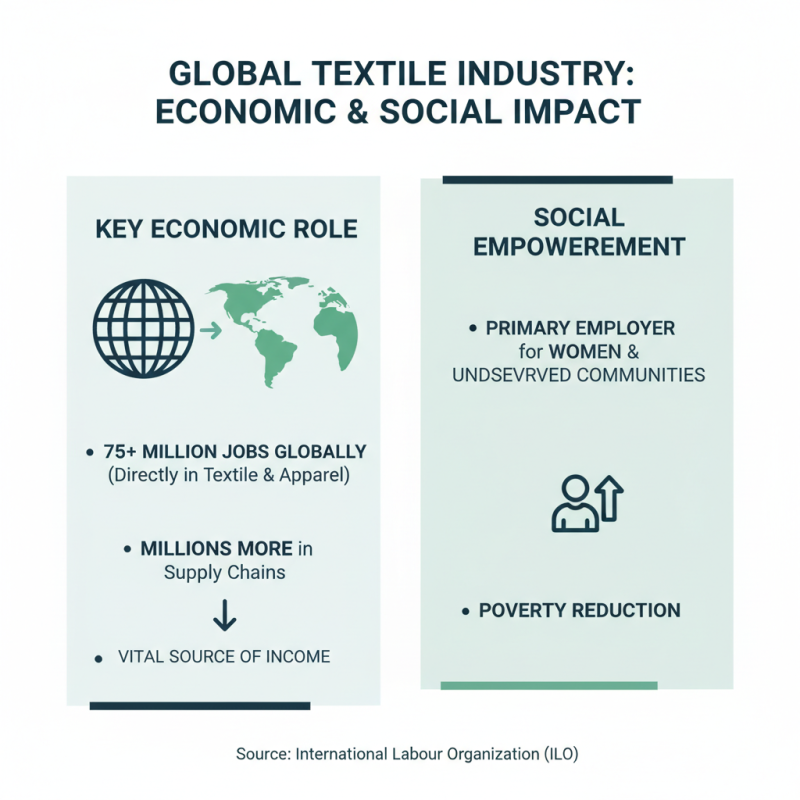
The textile industry plays a pivotal role in the global economy, significantly impacting employment rates across various regions. According to the International Labour Organization (ILO), the textile and apparel sectors directly employ over 75 million workers, with millions more involved in related supply chains. This sector is particularly notable in developing countries, where it often serves as a vital source of income and employment for women and underserved communities, helping to reduce poverty and improve living standards.
Moreover, research from the World Trade Organization (WTO) indicates that textiles account for about 6% of global merchandise trade. This economic contribution not only supports local economies but also fosters international trade relations, creating a ripple effect on job creation in other sectors. The demand for sustainable fashion has further intensified the need for skilled labor in areas such as eco-friendly production processes and sustainable materials, which can drive innovation and create new job opportunities in this evolving market.
**Tip:** If you are looking to support sustainable fashion, consider advocating for brands that prioritize ethical labor practices and sustainable sourcing. This not only helps improve employment standards but also promotes a more sustainable economy.
**Tip:** Engage with local textile and fashion businesses that focus on eco-friendly materials. This can help create a stronger local economy while supporting fair wages and working conditions for workers in the textile sector.
Innovations in Textile Technology Enhancing Sustainable Production Methods
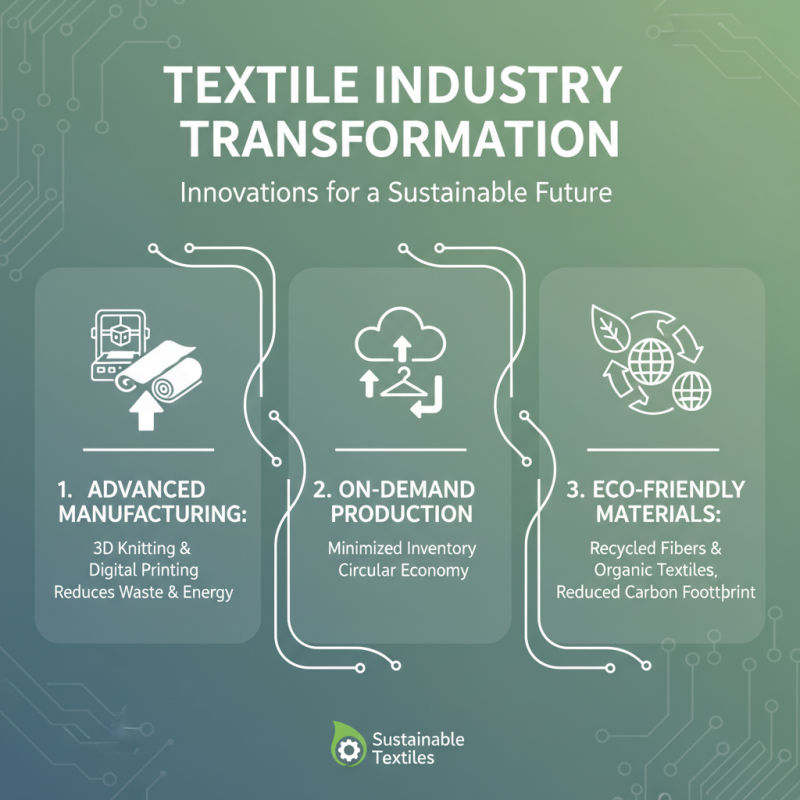
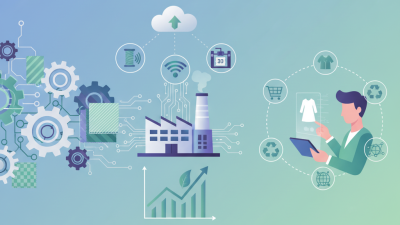
The textile industry is undergoing a notable transformation, driven by innovations in technology that prioritize sustainability. Advanced manufacturing techniques, such as 3D knitting and digital printing, are revolutionizing the production process, significantly reducing waste and energy consumption. These technologies enable manufacturers to create garments on demand, minimizing excess inventory and promoting a more circular economy. By utilizing materials like recycled fibers and organic textiles, the industry is not only reducing its carbon footprint but also paving the way for more eco-friendly production practices.
Moreover, innovations such as blockchain technology are enhancing transparency within the textile supply chain. This allows consumers to trace the origins of their clothing, ensuring that ethical practices are followed throughout production. Automation and artificial intelligence are further optimizing resource management, helping brands streamline processes and lower environmental impacts. By integrating these technological advancements, the textile industry is becoming a key player in fostering sustainable fashion, ultimately contributing positively to both the economy and the environment.
Consumer Awareness and Demand for Eco-Friendly Textile Products
The growing consumer awareness around environmental issues is playing a pivotal role in shaping the future of the textile industry. As more individuals become conscious of the negative impacts of fast fashion, there is an increasing demand for eco-friendly textile products. This shift reflects a broader trend where consumers are favoring sustainable options, seeking materials that are not only durable but also environmentally responsible. The demand for organic cotton, recycled fibers, and low-impact dyes highlights a significant change in consumer preferences, pushing brands to adopt greener practices in their production processes.
Moreover, consumer education on the lifecycle of textile products is essential in the journey toward sustainability. As people become informed about the resource-intensive nature of conventional textiles, they are more likely to support companies that prioritize ethical sourcing and sustainable manufacturing. This awareness can lead to responsible consumer behavior, where customers actively seek transparency in supply chains and the environmental impact of their purchases. By prioritizing eco-friendly textiles, consumers are not just making a statement; they are driving a movement that encourages the entire industry to prioritize sustainability, ultimately supporting a more resilient economy that values environmental conservation.




 No. 85 “Alexander Malinov” Blvd,
1715 Sofia, Bulgaria
No. 85 “Alexander Malinov” Blvd,
1715 Sofia, Bulgaria +359 2 953 0387
 sale@chemicalmojo.com