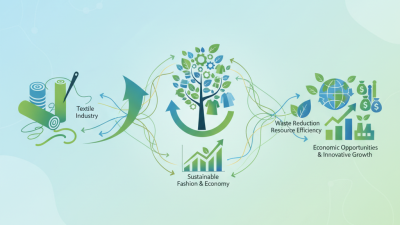
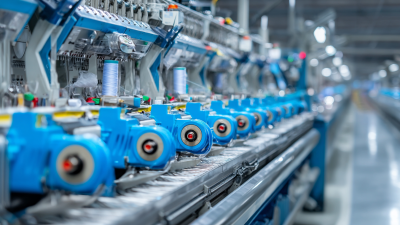
The textile industry is witnessing a remarkable transformation. Innovation plays a key role in this shift. New technologies are emerging, reshaping processes and products. This evolution includes sustainable practices that address environmental concerns.
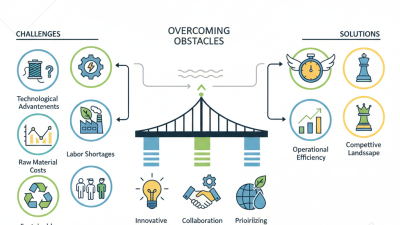
From smart fabrics to 3D printing, advancements are plentiful. These innovations enhance efficiency and reduce waste. However, challenges remain. The industry must balance profitability with sustainability. Not all companies are keeping pace with changes. Some still rely on traditional methods, missing opportunities.
As we explore the top 10 innovations, we see a mix of hope and caution. The textile industry faces pressure to adapt quickly. These innovations may lead to a brighter future, yet reflection on ethical practices is necessary. How can the industry move forward responsibly? This question remains at the forefront of our discussion.
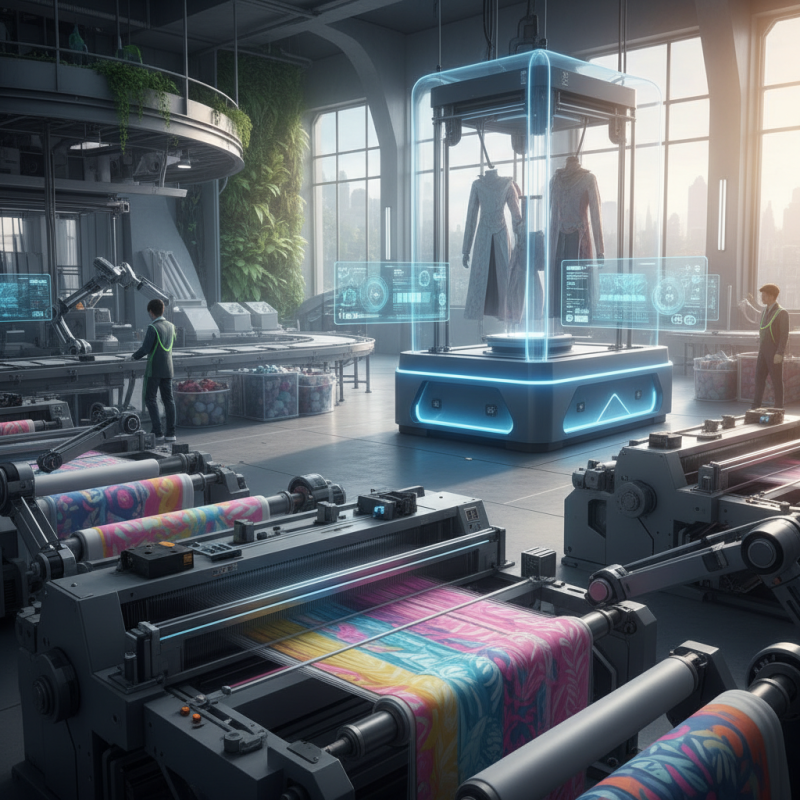
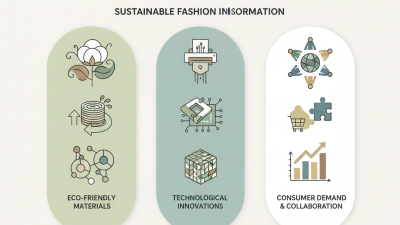
The textile industry is witnessing a significant shift towards sustainability. Eco-friendly textiles are not just a trend; they are a necessity. According to a 2021 report, the sustainable fabric market is projected to reach $118 billion by 2025. More consumers are demanding transparency in sourcing. This change is driven by awareness of climate change and pollution.
Recycled fibers are emerging as a popular option. They reduce waste and use fewer resources. For instance, recycled polyester can save up to 70% of energy as compared to virgin polyester manufacturing. Organic cotton is also gaining traction. It uses 91% less water and is free from harmful pesticides. These choices reflect a move towards greener practices in the industry.
Tips: Consider checking garment labels before purchase. Look for certifications such as GOTS or OEKO-TEX. These standards ensure minimal environmental impact. Awareness is key. Sustainable fabrics may cost more but investing in quality is essential. It’s important to think critically about consumption. While sustainable options exist, they sometimes lack in variety and accessibility. Striving for better alternatives should not end here. Continuous effort from both consumers and manufacturers is crucial.
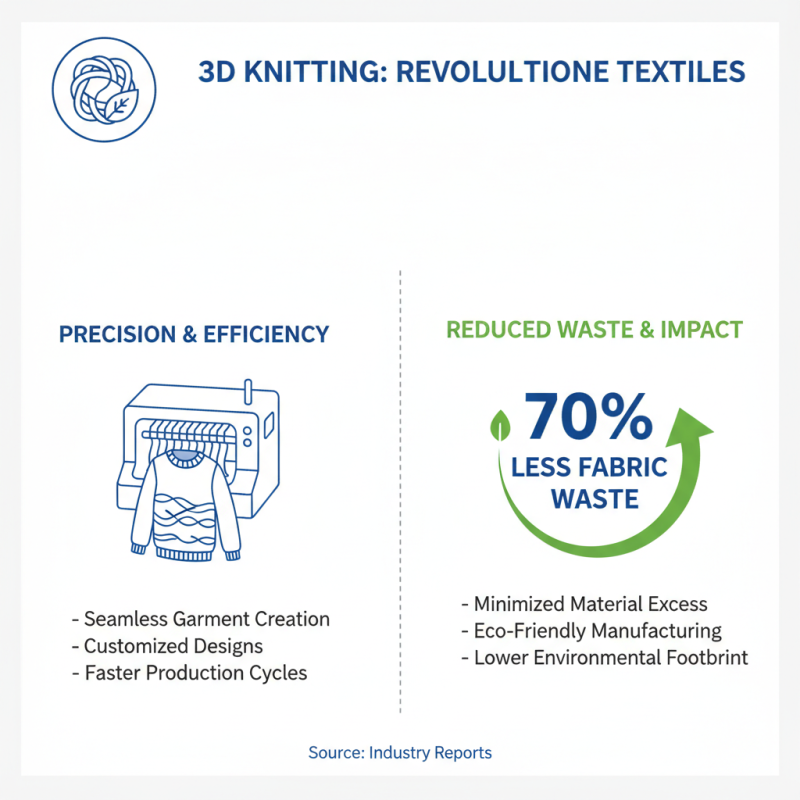
Smart textiles are reshaping the fabric landscape. These innovative materials blend conventional textiles with advanced technologies. Imagine fabrics that can monitor body temperature or adjust their breathability. Such textiles can enhance comfort and functionality in diverse settings.
Wearable technology is a major player in this transformation. Clothes embedded with sensors track health metrics in real-time. It's a game-changer for athletes seeking performance enhancements. However, challenges remain. Not every user understands how to interpret the data. There’s a learning curve that can hinder widespread adoption.
Moreover, sustainability in smart textiles is an ongoing concern. Many of these fabrics rely on synthetic materials, which can harm the environment. There's a need for solutions that balance technology with eco-friendliness. The future of smart textiles hinges on solving these complex issues. As the industry evolves, the focus should be on creating truly beneficial innovations.
3D knitting is changing the textile industry in remarkable ways. This technology allows for the creation of fabrics with precision and efficiency. As per recent industry reports, 3D knitting can reduce fabric waste by up to 70%. This is significant when compared to traditional methods that often result in excess material. Lower waste means less environmental impact.
In addition, 3D knitting enables customized designs and faster production. Brands can produce made-to-order garments, reducing inventory costs. A study indicated that this technique can cut production time by 40%. However, challenges exist in scaling this technology. Not all manufacturers are equipped for such advanced methods. There’s a learning curve, and initial investment can be high.
Furthermore, the industry is still exploring optimal materials for 3D knitting. Many fabrics may not be suitable, limiting options for designers. Continuous innovation is needed in material science to address these gaps. The ongoing development of this technology invites both excitement and caution. The balance between innovation and practicality remains a key issue in its broader adoption.
Blockchain technology is making waves in the textile industry. It promises enhanced transparency throughout the supply chain. Each step, from raw material sourcing to customer purchase, can be verified. This level of traceability builds trust between manufacturers and consumers. When customers know where their clothes come from, they feel more connected to the product.
However, implementing blockchain is not without challenges. Many businesses lack the necessary technical knowledge. There’s also the concern of data security and privacy. Integrating blockchain with existing systems can be complex. Some smaller firms may find the costs prohibitive.
Despite these hurdles, the potential benefits are immense. By tracking every item, companies can reduce waste and improve efficiency. Greater transparency can even lead to more sustainable practices. But the industry must reflect on how to balance innovation with practicality. As technology evolves, the need for responsible implementation remains crucial.
| Innovation | Description | Benefit | Impact on Supply Chain |
|---|---|---|---|
| Blockchain | A decentralized ledger technology to record transactions transparently. | Increases transparency and accountability in sourcing. | Enhances traceability of materials and reduces fraud. |
| 3D Knitting Technology | Knits fabrics directly from digital designs. | Reduces waste and increases design flexibility. | Streamlines production processes. |
| Smart Textiles | Fabrics that can monitor and respond to environmental changes. | Provides additional functionalities like monitoring health. | Creates new market opportunities and applications. |
| Recycled Materials | Use of post-consumer waste to create new textiles. | Reduces landfill waste and mimics virgin material quality. | Improves brand sustainability and consumer perception. |
| Digital Printing | Prints directly onto fabric using digital designs. | Enables custom designs with minimal ink usage. | Speeds up the prototyping process. |
| AI for Forecasting | Uses machine learning to predict fashion trends. | Increases demand planning accuracy. | Optimizes inventory management and reduces overproduction. |
| Virtual Prototyping | Uses 3D modeling software to create digital samples. | Cuts down on physical sampling costs and time. | Enhances collaboration across teams. |
| Wearable Tech | Integrates technology into apparel and accessories. | Enhances user experience and provides functional benefits. | Supports innovative brand offerings and appeal. |
| Automated Supply Chains | Utilizes robotics and automation for logistics. | Increases efficiency and reduces labor costs. | Streamlines order fulfillment processes. |
Biodegradable materials are changing the textile landscape. They offer a sustainable alternative to traditional fabrics. These innovations focus on reducing environmental impact. Products made from these materials break down naturally. This process minimizes landfill waste and pollution.
When considering biodegradable textiles, think about sourcing. Look for materials derived from natural resources, like cotton or hemp. These fabrics often require less water and energy to produce. Explore options like Tencel or organic cotton. They offer comfort while being eco-friendly.
Tips: Always check certifications. Ensure materials are genuinely biodegradable. Try to buy locally when possible. This reduces carbon footprints during transport. Remember, not all biodegradable fabrics are created equal. Some may still contain harmful dyes or treatments. Make informed choices for a better planet.