Top 10 Textile Fibers You Should Know About?
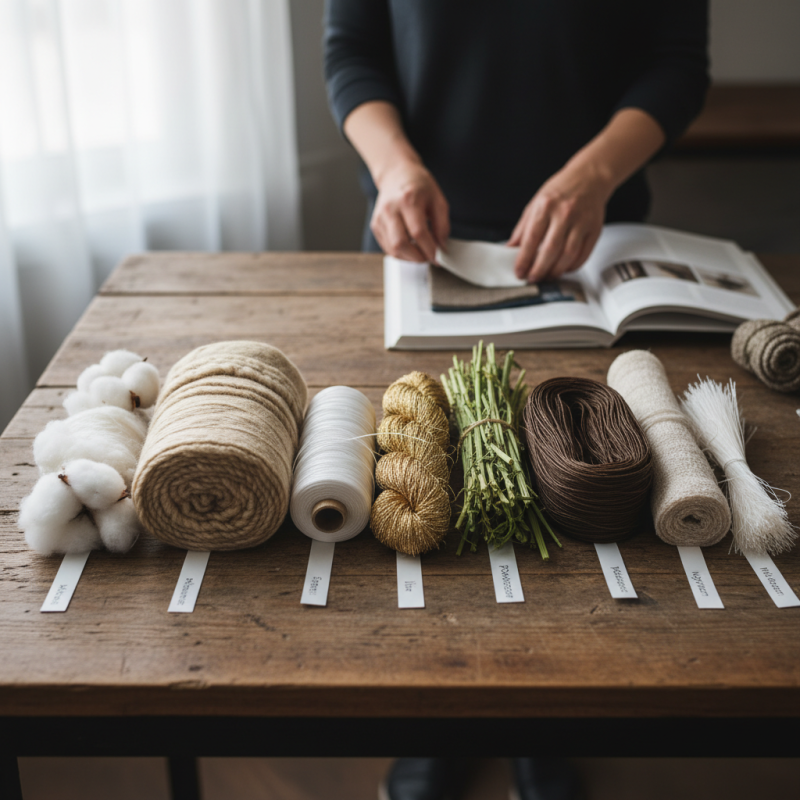
When exploring the world of textiles, understanding textile fibers is essential. These fibers are the foundation of the fabrics we wear and use daily. From natural to synthetic options, each type has unique properties and uses.
Among the top textile fibers are cotton, wool, and synthetics like polyester. Cotton provides breathability and comfort. Wool offers warmth and durability, making it ideal for cold climates. Synthetic fibers can deliver strength and elasticity, benefiting various industries.
Yet, it’s crucial to reflect on the environmental impact of these fibers. Natural fibers are often more sustainable, but not always. Synthetic fibers, though versatile, contribute to pollution. Understanding textile fibers can empower consumers to make informed choices about their clothing and home textiles.
Natural Textile Fibers: The Basics and Their Characteristics
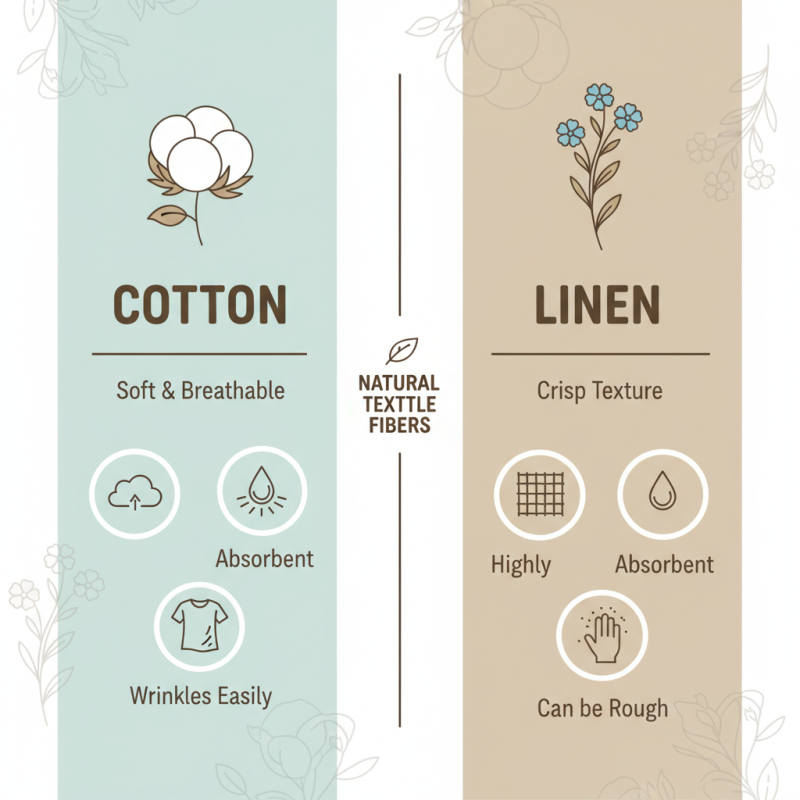
Natural textile fibers have unique characteristics that set them apart. Cotton is soft and breathable, making it a favorite for clothing. It absorbs moisture but can wrinkle easily. Linen, derived from the flax plant, has a crisp texture and is highly absorbent. However, it can be rough against the skin.
Silk is known for its luxurious feel and sheen. It's lightweight but may not be the most durable option. Wool, from sheep, provides excellent insulation. Yet, it can be itchy for some people. Hemp, a lesser-known fiber, is strong and eco-friendly, but its coarse texture may not appeal to everyone. Each fiber offers distinct pros and cons, leading to varying applications in textiles.
Synthetic Textile Fibers: An Overview of Man-Made Materials
Synthetic textile fibers play a pivotal role in the modern fashion industry. They account for over 60% of global textile production, according to a recent report by the Textile Exchange. These man-made materials include popular choices like polyester, nylon, and spandex. The versatility of synthetic fibers allows for innovative designs and enhanced performance in clothing.
Polyester, for example, is renowned for its durability and wrinkle resistance. It is often blended with natural fibers for added strength. However, synthetic fibers are less biodegradable. This raises environmental concerns. In fact, microplastics from synthetic fabrics pollute our oceans and harm marine life. The production process also consumes significant energy and resources.
Tips: When shopping, consider choosing sustainable alternatives like recycled polyester. Look for certifications that indicate eco-friendly practices. Be mindful of how you care for synthetic garments. Washing less often can help reduce microplastic release into waterways.
Nylon is celebrated for its elasticity and strength, but its production can release harmful chemicals. This highlights the need for responsible sourcing and better manufacturing processes. As consumers become more aware, brands are pushed to improve their impact. The journey toward sustainable synthetic textiles is complex, but necessary for a healthier planet.
Comparison of Durability and Care Among Various Fibers
When choosing textile fibers, durability and care are crucial factors. Cotton is a popular choice due to its softness and breathability. However, it can wear out over time and may require special washing conditions to maintain its appearance. Synthetic fibers, like polyester, are often more durable and resistant to wrinkles, but they can retain odors and require careful washing to avoid pilling.
Tips: Always check the care instructions. Proper washing can extend the life of your garments. Air drying can help maintain shape and prevent shrinkage.
Wool is another interesting option. It offers natural resilience and can tolerate dirt better than many fibers. Still, wool requires special handling to avoid shrinking. Linen, while strong and breathable, wrinkles easily. This can be frustrating for some people seeking a polished look.
Tips: Invest in a fabric steamer. It can quickly refresh your garments without harsh washing. Remember that some fibers may need careful attention during laundry day.
Natural fibers tend to be more breathable, while synthetics often excel in durability. Evaluating your lifestyle needs is essential. Consider how often you wear each fabric and how much care you're willing to invest. Balancing these factors can lead to better choices.
Top 10 Textile Fibers You Should Know About
This chart compares the durability and care requirements of the top 10 commonly used textile fibers.
Sustainability in Textile Fibers: Eco-Friendly Options to Consider
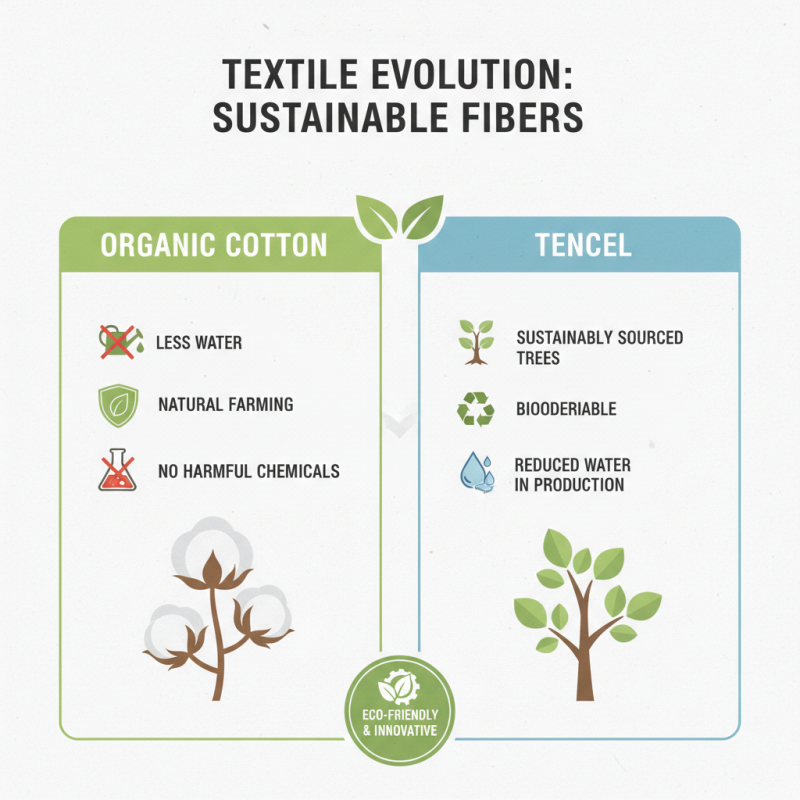
As the textile industry evolves, sustainability is becoming paramount. Eco-friendly fibers are a critical focus. Organic cotton, for instance, uses natural farming practices. This reduces water consumption and avoids harmful chemicals. Another great option is Tencel, derived from sustainably sourced trees. It’s biodegradable and uses less water in production.
Tips: Always check for certifications when purchasing. Third-party labels can help ensure eco-friendliness. Consider the life cycle of the fabric. Look for options that promise durability.
Hemp is another underappreciated fiber. It's fast-growing and requires minimal pesticides. Wool, when sourced responsibly, can also be sustainable. However, pay attention to farming practices to avoid environmental harm.
Tips: Mind your choices. Sustainable fabrics can sometimes cost more. It's essential to weigh the long-term benefits against initial prices. Reflect on your wardrobe. Are the fabrics you're using truly eco-friendly?
Emerging Trends in Textile Fiber Technology and Innovation
Emerging trends in textile fiber technology are reshaping the industry. Innovative materials are entering the market. These advancements focus on sustainability and performance. According to a report by the Textile Exchange, the global demand for sustainable fibers is increasing. Sustainability in fiber production is vital.
Bio-based fibers are gaining attention. They reduce reliance on fossil fuels. Natural fibers like hemp and bamboo are becoming popular choices. A recent study indicated that the global bamboo fiber market could reach USD 98.6 million by 2025. This shift highlights the importance of eco-friendly options.
Tips: Always consider the environmental impact of your fiber choices. Look for certifications that guarantee sustainability. Explore local sources for fibers to reduce carbon footprints. While innovation is promising, it often comes with challenges. Balancing performance with eco-friendliness requires ongoing research. Not all new materials are ready for widespread use. Sometimes, the industry struggles to keep up with consumer demands.



 No. 85 “Alexander Malinov” Blvd,
1715 Sofia, Bulgaria
No. 85 “Alexander Malinov” Blvd,
1715 Sofia, Bulgaria +359 2 953 0387
 sale@chemicalmojo.com