Top 10 Uses of Polyester Yarn in Everyday Life?
Polyester yarn has woven its way into our daily lives in remarkable ways. Renowned textile expert Dr. Emily Turner once said, “Polyester yarn offers unmatched durability and versatility.” This resilient material is not just for clothing; it has countless applications. From home furnishings to fashion accessories, polyester yarn is all around us.
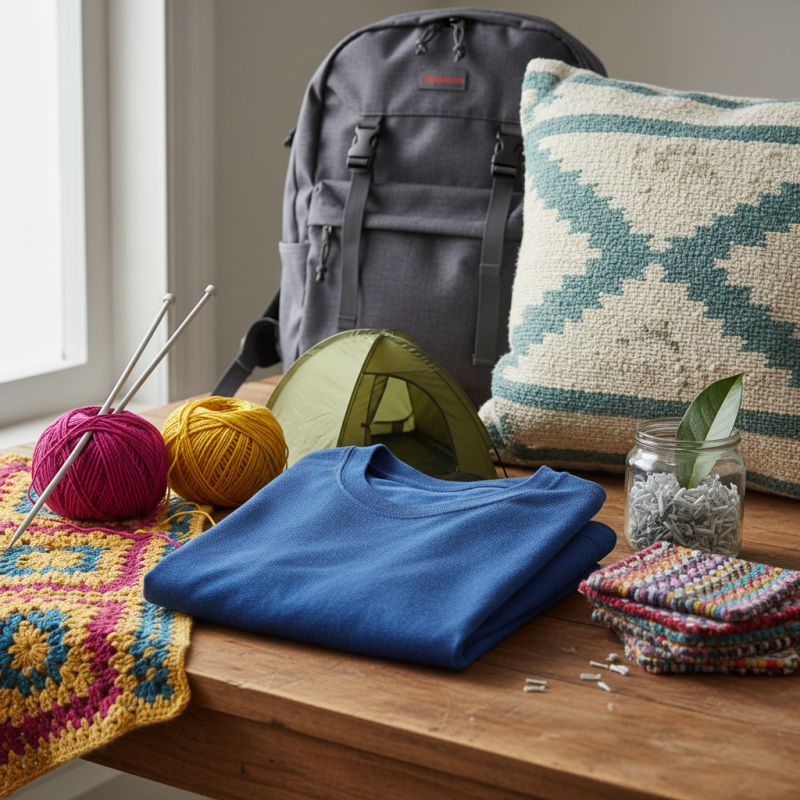
Consider the soft, durable fabric of your favorite t-shirt. That’s polyester yarn at work. It’s also in outdoor gear, where resistance to wear is crucial. Think about camping tents or backpacks. They rely on polyester yarn for strength and longevity. Yet, as convenient as it is, we must reflect on its environmental impact. The production of polyester comes with concerns regarding sustainability and waste.
Moreover, creativity often shines through in unexpected uses. DIY projects frequently utilize polyester yarn for crafting. Knitting and crocheting enthusiasts appreciate its ability to hold vibrant colors and resist fading. However, are we considering the balance of utility and eco-friendliness in our choices? Engaging with polyester yarn prompts us to think critically about our consumption habits.
Common Uses of Polyester Yarn in Clothing and Fashion
Polyester yarn has revolutionized the clothing and fashion industry. With its synthetic fibers, it offers durability and affordability. According to a report by Textile Exchange, polyester accounts for over 50% of the global fiber market. Many designers utilize its properties for various applications, ensuring garments can withstand daily wear. People appreciate polyester for its wrinkle resistance and quick-drying nature.
In activewear, polyester yarn excels. The moisture-wicking ability keeps athletes comfortable. Lightweight and breathable fabrics enhance performance. Additionally, it’s often blended with natural fibers to create versatile materials. However, there’s a growing concern about the environmental impact of polyester production. Reports indicate that it contributes significantly to microplastic pollution in oceans.
Fashion trends often exploit polyester's vibrant dye potential. Colors remain bright after multiple washes. Yet, consumers should reflect on the lifecycle of these products. Cheap fast fashion can lead to wastefulness. As sustainable practices evolve, the industry is pressured to innovate. Finding a balance between trendy designs and eco-conscious choices is crucial.
Polyester Yarn in Home Textiles: From Curtains to Bedding
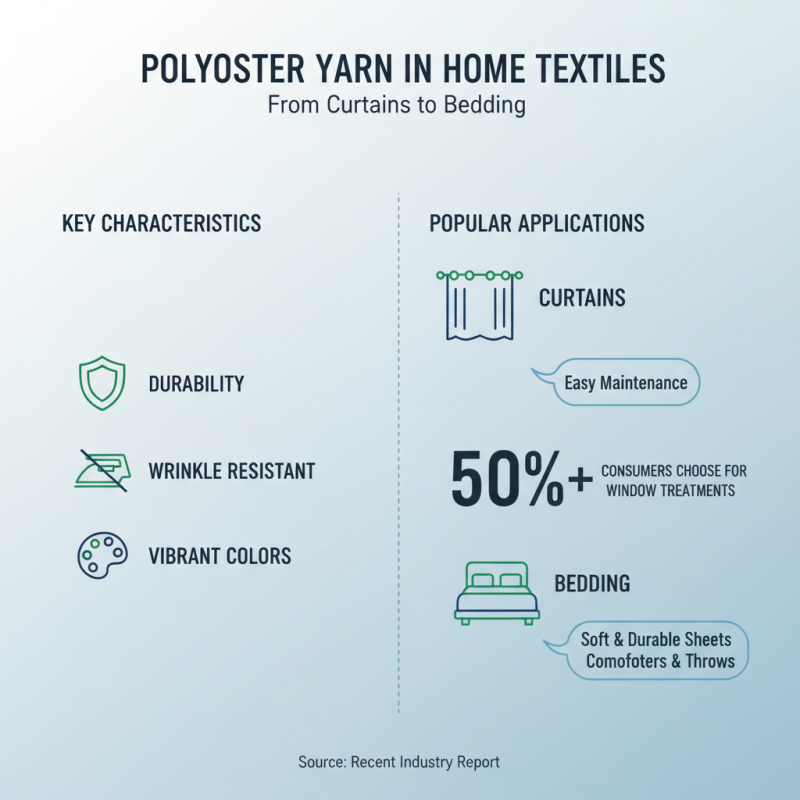
Polyester yarn is a staple in home textiles, including curtains and bedding. It is known for its durability and resistance to wrinkles. Many homeowners prefer polyester curtains for their vibrant colors and easy maintenance. According to a recent industry report, over 50% of textile consumers choose polyester for window treatments due to its affordability and longevity.
Bedding made from polyester yarn offers comfort and practicality. Many comforters and sheets are crafted from this material. It provides a soft feel while being easy to care for. The fabric is resistant to shrinking and fading, even after many washes. Some studies indicate that nearly 70% of households prioritize polyester bedding for its low-pilling properties.
However, there are some concerns regarding polyester's environmental impact. The production process can release harmful chemicals. Some consumers are beginning to question sustainability. While polyester remains popular, the call for eco-friendly alternatives may shift consumer preferences in the future. This reflects a growing awareness of the need for responsible materials in home textiles.
Applications of Polyester Yarn in Outdoor Gear and Equipment
Polyester yarn plays a vital role in outdoor gear and equipment. Its strong, durable nature makes it ideal for backpacks, tents, and climbing gear. According to a report by Technavio, the global outdoor gear market is expected to grow by 4% annually, driven by the demand for high-performance fabrics. Polyester yarn can withstand harsh conditions, ensuring that outdoor enthusiasts stay protected and comfortable.
The lightweight properties of polyester make it a preferred choice for hiking gear. Many companies use it to create weather-resistant jackets and durable sleeping bags. Reports indicate that polyester outdoor clothing retains its shape better than natural fibers, making it more reliable for active pursuits. However, not all polyester yarn is created equal. Some formulations may not be as breathable, leading to discomfort during intense activities. This inconsistency highlights the need for consumers to research products before purchasing.
Moreover, the environmental impact of polyester production raises concerns. While it offers durability, the processes involved can contribute to pollution. It's crucial to evaluate sustainable options. Recycling initiatives are emerging, but progress remains slow. Finding a balance between performance and sustainability will be essential for the industry's future. These challenges remind us to think critically about our choices in outdoor gear.
Top 10 Uses of Polyester Yarn in Everyday Life
Polyester Yarn's Role in Crafting and DIY Projects
Polyester yarn is making waves in the crafting and DIY world today. Its durability and versatility are unmatched. According to the Global Market Insights report, the polyester segment is projected to grow significantly, reaching a value exceeding $125 billion by 2025. This indicates a rising trend in using polyester in everyday crafts.
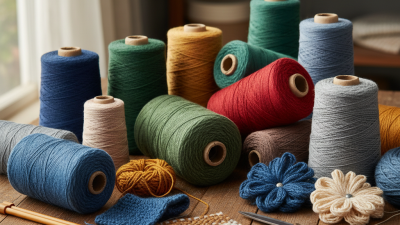
Many crafters appreciate how easy it is to work with polyester yarn. It’s available in a variety of colors and textures. This provides room for creativity. From knitting cozy blankets to creating vibrant wall hangings, the options are endless. Polyester yarn resists fading, mildew, and stretching, making it ideal for long-lasting projects.
Tip: When working with polyester, consider mixing fibers. Blending polyester with natural fibers can enhance feel and breathability. This results in more eclectic and functional pieces.
Many hobbyists face challenges while crafting with polyester. Improper tension can lead to uneven stitches. Remember to test your tension periodically. Additionally, polyester can be slippery, making it tricky for beginners. Using a needle with a larger eye can help manage this issue.
Tip: Practice patience when starting new projects. Don't rush through your creations. Enjoy the process and refine your skills over time. Crafting should be fun, even if it takes practice.
Sustainability and Innovations in Polyester Yarn Usage
Polyester yarn has become a staple in many households and industries. Its versatility is accompanied by significant sustainable advancements. Recent studies show that polyester can be made from recycled plastic bottles. This process could reduce plastic waste by 86%. Yet, these innovations raise questions about the entire lifecycle of polyester production.
The fiber's durability means it can withstand harsh conditions. This longevity leads to less frequent replacements, which can be a double-edged sword. On one hand, this reduces waste. On the other, the energy and water used in production remain a concern. The manufacturing process contributes to roughly 3% of global greenhouse gas emissions according to various environmental reports.
In response to these challenges, new technologies are emerging. Brands are exploring bio-based polyester alternatives. These innovations are worth monitoring. They reflect a growing commitment to sustainability. However, consumers must remain vigilant. The shift towards sustainable practices is still a work in progress. It is essential to critically assess the impact of these materials on the environment.



 No. 85 “Alexander Malinov” Blvd,
1715 Sofia, Bulgaria
No. 85 “Alexander Malinov” Blvd,
1715 Sofia, Bulgaria +359 2 953 0387
 sale@chemicalmojo.com