Exploring the Different Types of Textile Fibers: A 2025 Guide to Fabrics
In the ever-evolving world of fashion and design, understanding the different types of textile fibers is crucial for anyone looking to create or appreciate quality fabrics. This guide aims to delve into the variety of fibers available, each with its unique properties, advantages, and applications. From natural fibers like cotton and wool to synthetic innovations like polyester and nylon, each type of textile fiber brings its own set of characteristics that influence the feel, durability, and functionality of fabrics.

As we explore the different types of textile fibers, we will highlight their sourcing, processing methods, and environmental impacts. This comprehensive overview not only serves as a valuable resource for designers and manufacturers but also for consumers seeking to make informed choices in their clothing and home textile purchases. By understanding these fibers, we can appreciate the artistry behind fabric creation and embrace sustainable practices in our consumption. Join us as we journey through the fascinating world of textiles, discovering why each fiber type matters in our daily lives.
Types of Natural Fibers: Characteristics and Uses in Fashion
Natural fibers have long been celebrated for their unique characteristics and contributions to the fashion industry. These fibers, derived from plants, animals, and minerals, offer not only aesthetic appeal but also functional benefits. For instance, cotton is prized for its breathability and softness, making it a popular choice for casual wear. Wool, known for its insulating properties, is often used in cold-weather garments, while linen, derived from flax plants, boasts a lightweight and moisture-wicking quality, suitable for summer attire.
The growing eco-consciousness among consumers is driving a shift towards sustainable fashion practices, highlighting the importance of natural fibers. As the demand for eco-friendly textiles rises, so does the exploration of lesser-known fibers such as hemp and bamboo. These materials are gaining traction due to their reduced environmental impact compared to synthetic alternatives. By prioritizing natural fibers in fashion, designers can not only meet consumer preferences for sustainability but also harness the inherent qualities these materials offer.
Exploring Synthetic Fibers: Innovations and Sustainability in Textiles
As we move further into 2025, the textile industry is at a crossroads, with synthetic fibers playing a pivotal role in shaping the future of fabrics. Recent reports indicate that the global market for synthetic fibers is projected to reach $105 billion by 2027, driven by innovations that prioritize sustainability. Companies are investing heavily in technologies like recycled polyester and bio-based nylon, which not only reduce waste but also lessen dependency on fossil fuels. This shift is crucial as consumers increasingly demand eco-friendly options without compromising on quality and durability.
To navigate this evolving landscape, it’s essential for consumers to be aware of the environmental impact of their choices. For instance, choosing textiles that utilize closed-loop recycling processes can significantly contribute to reducing landfill waste. Additionally, brands that implement environmentally conscious production methods are more likely to maintain transparency about their sourcing and production practices.
**Tips:** When purchasing synthetic fabrics, look for certified materials such as GRS (Global Recycled Standard) or OEKO-TEX to ensure sustainability and ethical practices. Furthermore, consider the longevity of the fibers; investing in durable synthetic garments may lead to longer-lasting benefits for both the environment and your wardrobe.
Exploring Synthetic Fibers: Innovations and Sustainability in Textiles
| Fiber Type |
Properties |
Uses |
Sustainability Initiatives |
| Polyester |
Durable, wrinkle-resistant, quick-drying |
Clothing, home textiles, industrial applications |
Recycling programs, bio-based polyester development |
| Nylon |
Strong, elastic, resistant to mildew |
Activewear, hosiery, ropes |
Sustainable production methods, recycling initiatives |
| Acrylic |
Lightweight, warm, colorfast |
Sweaters, blankets, upholstery |
Eco-friendly dyes, recycling options |
| Spandex |
High elasticity, comfortable |
Activewear, swimwear, undergarments |
Sustainable sourcing, innovative recycling techniques |
| Rayon |
Soft, breathable, versatile |
Fashion apparel, home textiles |
Sustainable forestry certification, closed-loop processes |
Comparison of Blended Fabrics: Benefits and Applications
Blended fabrics have gained popularity in the textile industry due to their unique benefits and versatile applications. By combining different types of fibers, such as cotton, polyester, and wool, manufacturers can create materials that enhance durability, comfort, and aesthetics. For instance, cotton-polyester blends are known for their wrinkle resistance and easy care, making them a favorite choice for casual wear and uniforms. Additionally, such blends can improve breathability and moisture-wicking properties, essential traits for activewear.
The applications of blended fabrics are vast and varied, catering to different consumer needs. In the fashion industry, blends like silk-wool are often utilized in high-end clothing to provide warmth while maintaining a luxurious feel. On the other hand, technical blends, such as nylon-spandex, are tailored for sports apparel, offering stretch and support without compromising on style. This adaptability not only broadens the market appeal but also allows textile manufacturers to innovate and respond to evolving trends in consumer preferences.
Emerging Eco-Friendly Fiber Technologies: A Sustainable Future
As the textiles industry increasingly embraces sustainability, emerging eco-friendly fiber technologies are shaping a greener future for fabrics. Recent reports indicate that the global eco-textiles market is projected to reach approximately $80 billion by 2025, driven by growing consumer awareness and demand for sustainable products. Advances in fiber technologies, such as the development of recycled polyester and organic cotton, are leading the charge. For instance, each ton of recycled polyester produced can save up to 5,830 MJ of energy compared to virgin polyester, making it a more energy-efficient option.
In addition to traditional materials, innovative solutions such as bioengineered fibers derived from plant sources are gaining traction. According to a recent study published by the Textile Exchange, the production of biobased fibers like Tencel and hemp can reduce water consumption by 60-90% compared to conventional cotton farming. These eco-friendly fibers not only lessen the environmental impact but also offer enhanced durability and breathability, appealing to environmentally conscious consumers. As brands continue to invest in sustainable practices, the future of textiles looks poised for a significant transformation, paving the way for more responsible consumption and production methods.
Understanding Fiber Processing: From Raw Material to Finished Fabric
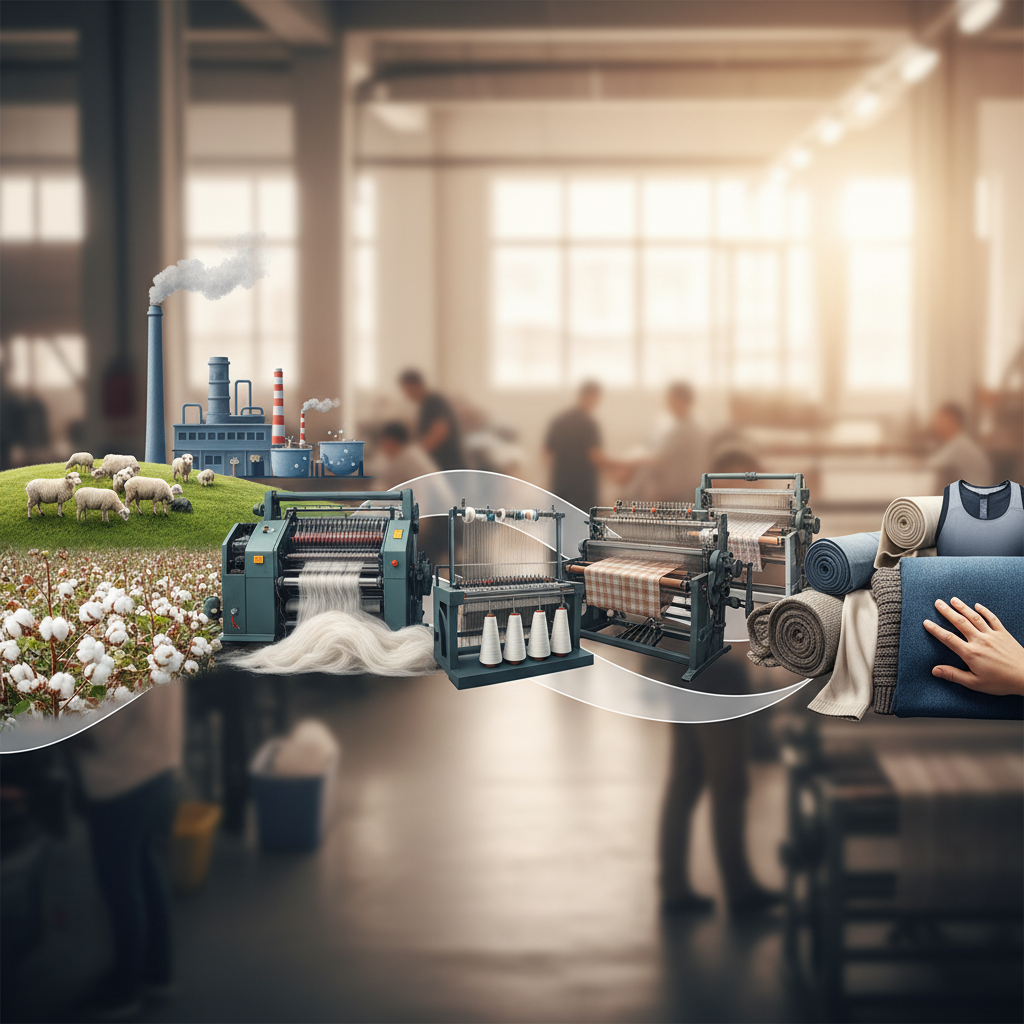
The journey of textile fibers from raw materials to finished fabrics involves a complex series of processing stages that significantly impact the final product's quality, sustainability, and performance. According to the 2022 Textile Outlook International report, the global textile fiber market was valued at approximately $105 billion in 2021, and it is projected to reach around $140 billion by 2025, underscoring the importance of efficient fiber processing methods in meeting growing demand.
Fiber processing begins with the selection of raw materials, which can be natural (like cotton or wool) or synthetic (such as polyester or nylon). Each type of fiber undergoes specific treatments, including carding, spinning, and dyeing, tailored to enhance its properties. For instance, the cotton production process alone requires enormous quantities of water—approximately 10,000 liters per kilogram of cotton produced, according to the World Wildlife Fund (WWF). This highlights the critical need for water management and sustainable practices in the industry. With advancements in technology and a push toward eco-friendly practices, manufacturers are increasingly adopting processes that reduce water and energy consumption, setting a course for a more sustainable future in textile production.



 No. 85 “Alexander Malinov” Blvd,
1715 Sofia, Bulgaria
No. 85 “Alexander Malinov” Blvd,
1715 Sofia, Bulgaria +359 2 953 0387
 sale@chemicalmojo.com