2026 How to Understand the Different Types of Polyester?
Understanding the different types of polyester can be quite a challenge. This synthetic fabric has gained immense popularity. It’s essential to know how to differentiate them. Polyester can vary in texture, durability, and appearance.
From clothing to industrial applications, polyester is everywhere. Each type serves unique purposes. For instance, some are more breathable while others excel in moisture-wicking. Certain polyester blends offer added stretch, making them ideal for activewear. However, not all polyester is created equal. Some types may feel rough against the skin, leading to discomfort.
Reflecting on your choices matters. Choosing the right type impacts not just wearability but also sustainability. Different types of polyester can have varying environmental footprints. This complexity demands careful consideration. Knowing what you’re wearing can enhance your satisfaction and reduce waste.
Types of Polyester: An Overview of Common Varieties
Polyester is a versatile fabric with various types that serve different purposes. The most common varieties include
PET, PBT, and PLA.
PET (Polyethylene Terephthalate) is widely known for its durability. It constitutes about 60% of the polyester market.
This type is often found in everyday items, like clothing and soft drink bottles.
PBT (Polybutylene Terephthalate) offers excellent elasticity and resistance to heat.
It's frequently used in textiles that require stretching, such as swimwear. A 2022 industry report indicated PBT's market growth is expected to reach
$1.5 billion by 2026, highlighting its increasing popularity.
On the other hand, PLA (Polylactic Acid) is a biodegradable alternative derived from corn starch.
It provides a more eco-friendly option but often lacks the durability of its petroleum-based counterparts.
Understanding these options requires careful consideration of their characteristics. For instance, while PET is sturdy, it can take
hundreds of years to decompose. Meanwhile, PLA serves an environmental purpose but may not withstand wear and tear.
This trade-off is crucial for consumers and manufacturers alike. Every choice has its pros and cons. Analyzing these can lead to better
decisions when selecting polyester fabrics.
Properties and Characteristics of Different Polyester Types
Polyester is a versatile material with various types that serve different purposes. The most common types include PET, PBT, and PLA. Each type has unique properties and characteristics that influence their applications. According to a recent report by the American Chemistry Council, PET accounts for about 60% of the global polyester market. This type is known for its durability and resistance to shrinkage. It is widely used in fabrics and bottles.
On the other hand, PBT offers superior chemical resistance and flexibility, making it suitable for electrical components and automotive parts. Its melting point is lower than PET, which can be a disadvantage in high-temperature applications. Meanwhile, PLA is a biodegradable alternative, appealing to eco-conscious consumers. However, its mechanical properties can be less reliable than traditional polyester types.
Understanding these differences is crucial for manufacturers and consumers alike. Despite the widespread use of polyester, misconceptions remain about its sustainability and recyclability. Addressing these concerns requires ongoing education and research. Professionals must weigh the benefits against the potential environmental impact. The industry must reflect on these challenges to improve material choices and sustainability efforts.
Applications and Uses of Various Polyester Fabrics
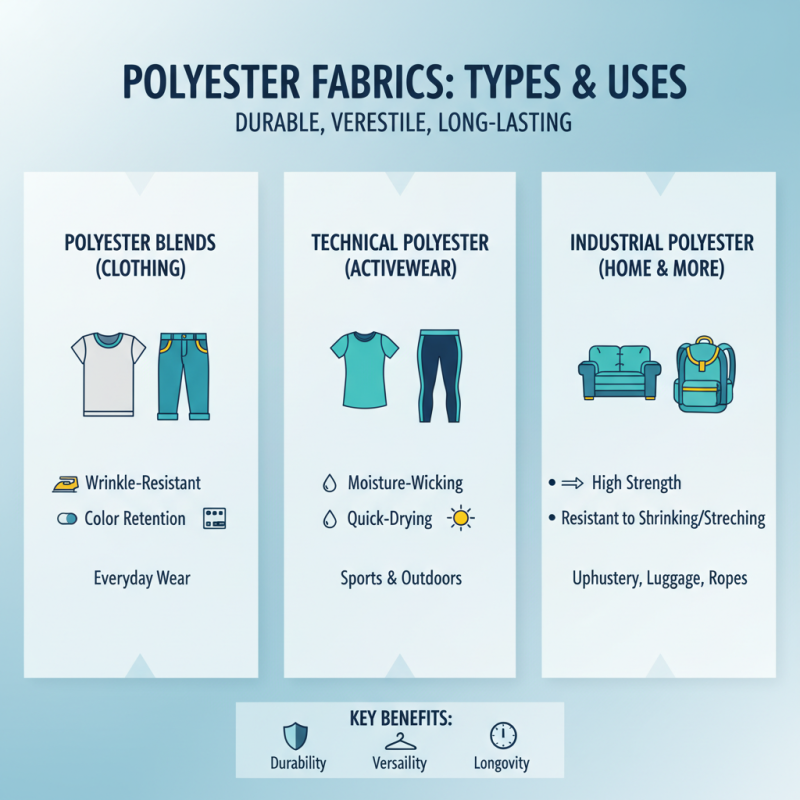
Polyester fabrics come in various types, each suited for different applications. For instance, polyester blends, commonly found in clothing, are durable and wrinkle-resistant. This makes them a popular choice for everyday wear. They often help keep the color vibrant after multiple washes, which is a significant advantage.
In the realm of home textiles, polyester is frequently used in upholstery and window treatments. Its resistance to fading makes it ideal for furniture in sunny spaces. Many people appreciate how easy polyester is to clean. However, one might reflect on the environmental impact of synthetic fabrics. The production process involves several chemical treatments that can be harmful.
Athletic wear often utilizes moisture-wicking polyester. This fabric helps keep the body dry during workouts. Yet, some athletes have concerns about breathability; it can sometimes feel sticky. Experimenting with different blends, such as cotton-polyester, can be a worthwhile pursuit. Overall, understanding the diverse types of polyester aids in making informed choices.
Environmental Impact and Sustainability of Polyester Materials
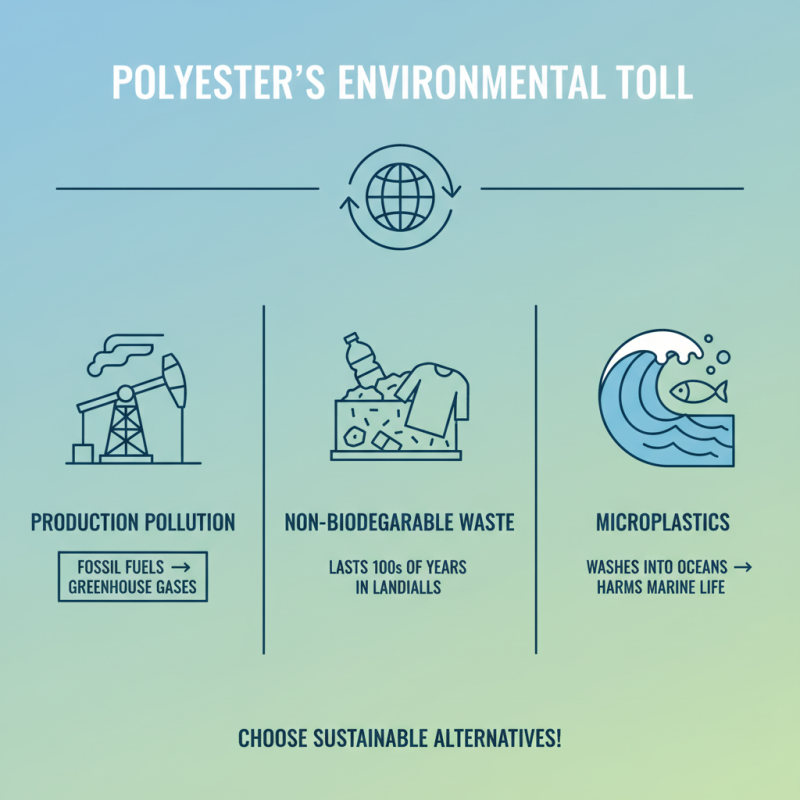
Understanding the environmental impact of polyester is crucial. While polyester is durable and versatile, its production can harm the planet. The manufacturing process often involves fossil fuels, contributing to greenhouse gas emissions. Additionally, polyester is non-biodegradable. It can persist in landfills for hundreds of years.
Choosing recycled polyester can mitigate some environmental effects. This material uses less energy and reduces waste. However, the recycling process still requires resources. It’s vital to weigh these factors.
Tips: Opt for brands that prioritize sustainability. Look for certifications that indicate responsible sourcing. Another option is to reduce polyester use altogether. Explore natural fibers when possible. These choices can help lessen polyester’s toll on the environment. Remember, small changes make a difference.
Future Trends in Polyester Development and Innovation
The future of polyester development holds exciting possibilities. Innovations are shifting towards eco-friendly processes. More manufacturers are focusing on recycling methods. Recycled polyester, or rPET, is gaining traction. It reduces waste and conserves resources. This shift sparks curiosity about performance and sustainability.
New types of polyester are emerging. Bio-based polyester is becoming a significant player. This material derives from renewable resources. Its environmental impact is less than traditional polyester. However, the production process is still not perfect. Some variations still require fossil fuels. Companies are working to improve this aspect.
The industry is also exploring smart textiles. These fabrics can adapt to weather conditions. Imagine polyester that regulates temperature or repels water. These advancements can enhance functionality. Yet, there are challenges in scalability. Not all designs are feasible for mass production. The future landscape will demand balance between innovation and practicality.
Future Trends in Polyester Development and Innovation




 No. 85 “Alexander Malinov” Blvd,
1715 Sofia, Bulgaria
No. 85 “Alexander Malinov” Blvd,
1715 Sofia, Bulgaria +359 2 953 0387
 sale@chemicalmojo.com