Why You Should Understand Different Types of Textile Fibers in 2026
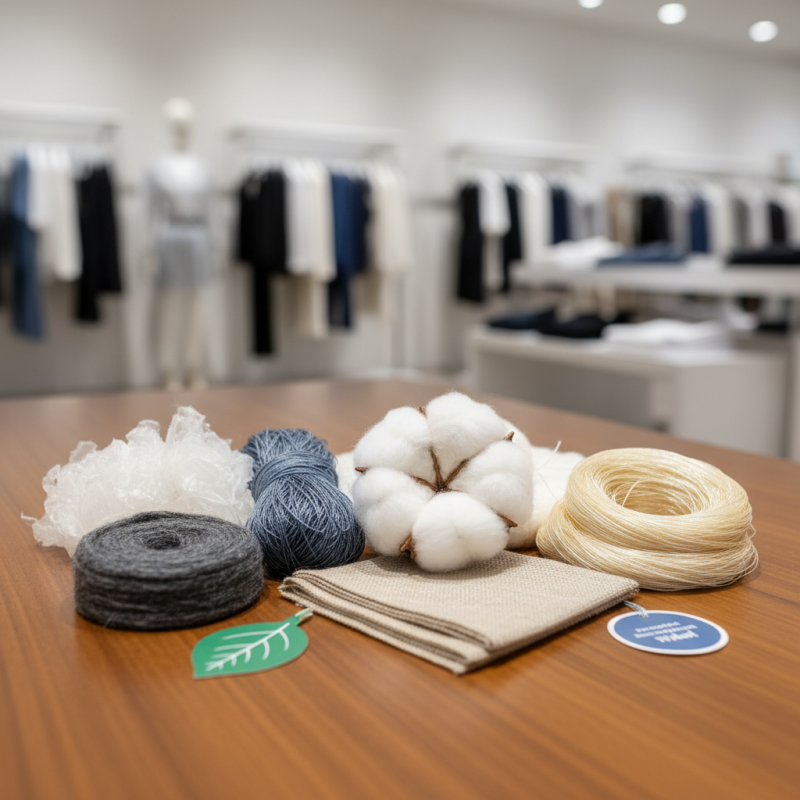
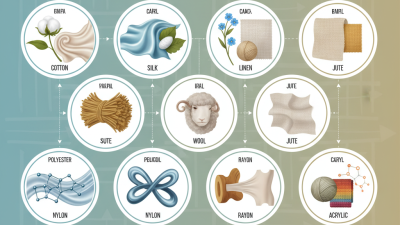
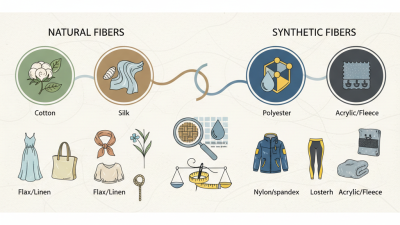
In 2026, understanding different types of textile fibers is crucial. With fashion trends evolving, consumers need knowledge about materials. Natural fibers like cotton and silk have unique properties. They offer breathability and comfort. Synthetic fibers, on the other hand, provide durability and stain resistance.
Many people overlook the importance of these choices. Poor fiber selection can lead to discomfort and dissatisfaction. For instance, polyester can trap heat, making a garment less appealing in hot weather. Awareness can enhance our wardrobe choices. Different types of textile fibers play a significant role in fashion sustainability too.
Many brands now prioritize eco-friendly materials. Yet, consumers still struggle to differentiate between fiber types. There is often confusion about which fibers are better for specific uses. This complexity calls for a deeper understanding. Reflecting on these aspects can empower informed decisions in the ever-changing textile landscape.
Understanding the Economic Impact of Textile Fibers on Global Markets in 2026
In 2026, the textile industry is expected to undergo significant changes. Understanding the economic impact of textile fibers is crucial for various stakeholders. Different fibers have unique properties that influence production costs and environmental effects. For instance, natural fibers often cost more due to sustainable farming practices. Meanwhile, synthetic fibers can be cheaper but may contribute to pollution.
The global market sees a constant fluctuation in fiber demand. Emerging trends push for eco-friendly materials. Investors are starting to recognize the need for sustainable alternatives. Countries are exploring new technologies to produce textiles with minimal environmental harm. This shift creates opportunities, but it also presents challenges.
Consumer awareness is rising. People are becoming picky about what they wear. Shoppers are willing to pay extra for organic textiles. Yet, many still choose cheaper options without realizing the long-term impact. Brands must adapt to these demands while balancing profitability and ethical considerations. Reflecting on our choices can guide future decisions in this evolving market.
Analyzing the Environmental Footprint of Different Textile Fibers
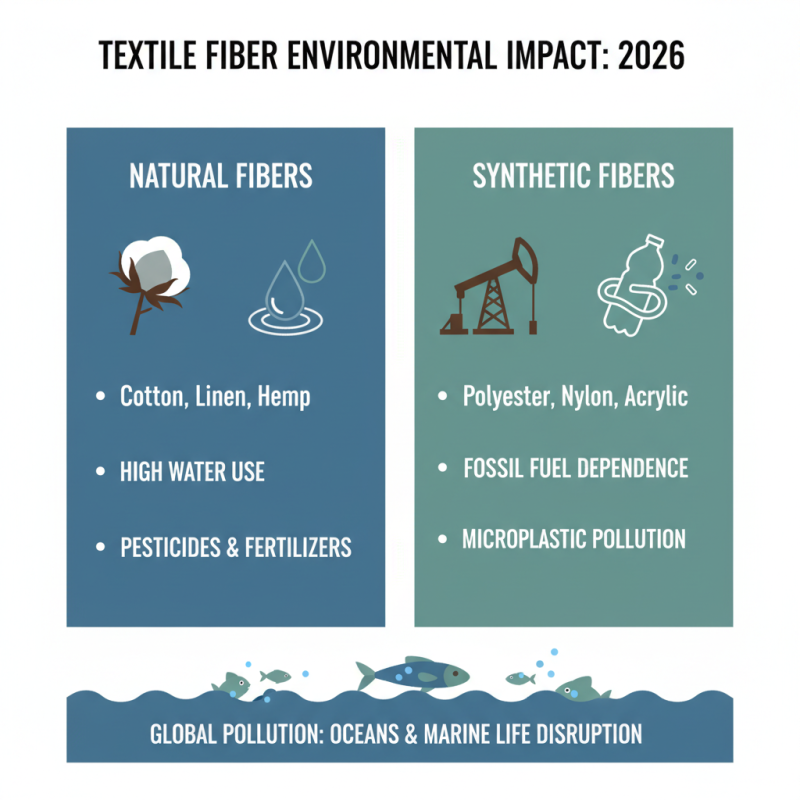
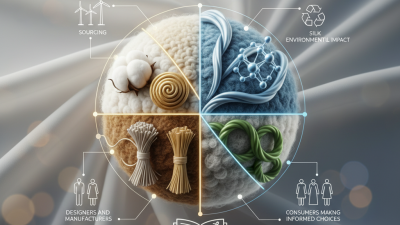
In 2026, understanding the environmental impact of textile fibers is crucial. Each fiber type comes with its own ecological footprint. Natural fibers like cotton require significant water and pesticides. Synthetic fibers, meanwhile, rely on fossil fuels and contribute to microplastic pollution. This pollution affects oceans and disrupts marine life.
Recycling options for various fibers are limited. Polyester can be recycled, but many systems are still inadequate. Organic cotton is more sustainable, yet it still demands intense agricultural practices. In contrast, innovations in plant-based fibers, such as pineapple or banana, show promise for a lighter ecological load. However, scalability remains an issue.
Consumers often overlook these details. Purchasing decisions can directly influence environmental consequences. Awareness is the first step toward reducing our textile footprint. It’s essential to question the lifecycle of fabrics we choose. Are the materials worth the cost to our planet? The answers aren't always encouraging, but they are necessary for informed choices.
Comparative Durability: Natural vs. Synthetic Textile Fibers in 2026
When comparing natural and synthetic textile fibers in 2026, we notice clear differences in durability. Natural fibers like cotton and wool offer breathability and comfort. However, they can wear out quickly. They struggle with moisture and can develop mold. On the other hand, synthetic fibers such as polyester and nylon are engineered for strength. They resist tearing and fading over time. But do we fully understand their long-term effects on the environment?
While durability is essential, it’s not the only factor. We must consider how these materials impact our lives. Natural fibers provide biodegradable options, reducing waste. But they require more water and land for production. Synthetic fibers may last longer but contribute to pollution, especially microplastics. This is a complex issue that deserves deeper reflection.
In our quest for durability, we risk overlooking comfort and sustainability. A balance is necessary. Choosing the right fiber means considering wear and tear against environmental impact. We should not solely prioritize longevity. Instead, we must seek out fibers that align with our values and lifestyle. Understanding these nuances will help us make more informed choices in the fabric of our lives.
The Technological Innovations Revolutionizing Textile Fiber Production
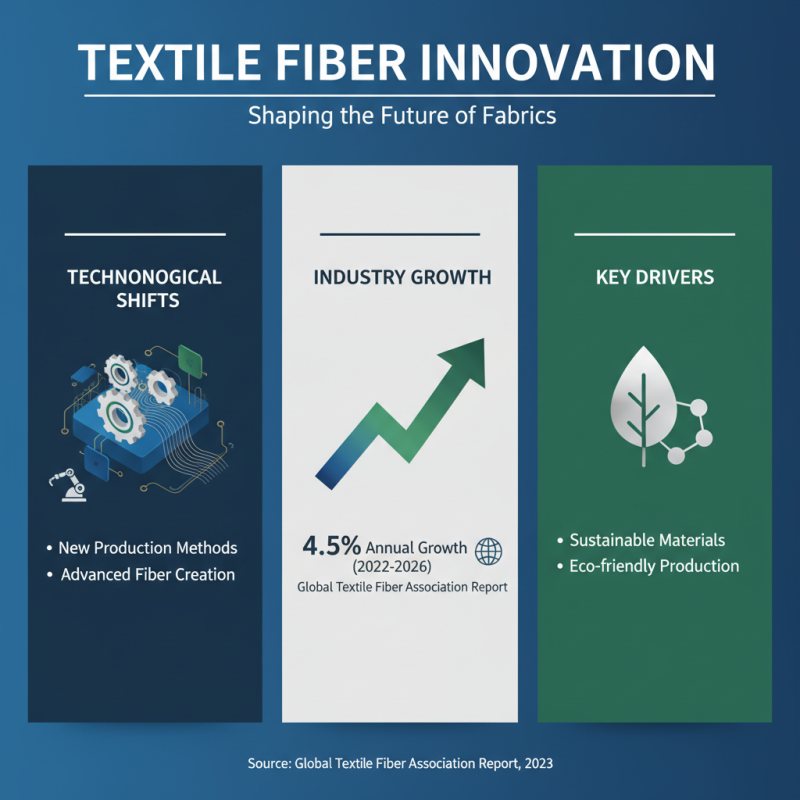
The textile industry is undergoing major transformations due to technological innovations. New production methods are changing how fibers are created. According to a recent report by the Global Textile Fiber Association, fiber production is expected to grow by 4.5% annually through 2026. The rise of sustainable materials is driving this growth.
Biodegradable and recycled fibers are gaining traction. Innovations in biotechnology allow for the development of fibers from natural sources. Researchers are creating fibers from algae and agricultural waste. These processes reduce waste but still face challenges. According to a study by the Sustainable Fibers Coalition, only 30% of manufacturers are currently adopting these methods.
Moreover, digital technologies such as AI and automation are reshaping production lines. Companies are using smart textiles to enhance functionality. For example, smart textiles can change color or monitor health indicators. However, integrating these technologies into traditional processes is not simple. Many small producers struggle to keep pace with larger enterprises. The gap between innovation and adoption raises questions about future industry equality.
Consumer Trends: Shifting Preferences in Textile Fiber Selection by 2026
As we look toward 2026, consumer preferences in textile fiber selection are shifting dramatically.
A recent industry report indicates that nearly 40% of consumers now prioritize
sustainability in their purchasing decisions.
This shift has led to a growing interest in organic and recycled fibers.
People are increasingly aware of the environmental impact of textile production. They want materials that are both eco-friendly and stylish.
Meanwhile, the demand for synthetic fibers has not disappeared. However,
there's a noticeable movement toward blends that offer durability without sacrificing comfort or aesthetics.
Approximately 25% of consumers say they prefer these blended textiles for everyday wear.
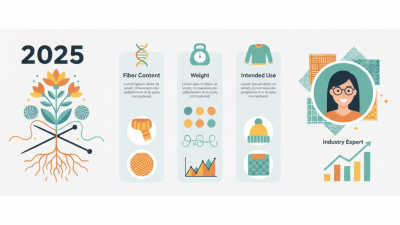
Yet, many remain confused about the benefits of various fibers. Education around fiber types and their properties is crucial for brands to meet these evolving expectations.
The market dynamics will continue to change. Retailers will have to adapt to these new preferences or risk losing relevance.
Many brands may struggle to balance innovation with consumer demands for sustainability.
This creates both challenges and opportunities in the textile industry.
Understanding these trends is essential for anyone involved in textile production.


 No. 85 “Alexander Malinov” Blvd,
1715 Sofia, Bulgaria
No. 85 “Alexander Malinov” Blvd,
1715 Sofia, Bulgaria +359 2 953 0387
 sale@chemicalmojo.com