Top Uses and Benefits of Polyester Yarn in Textile Industry?

Polyester yarn has become a cornerstone of the textile industry. Its versatility and durability make it a popular choice among manufacturers. This synthetic fiber offers numerous benefits, making it suitable for various applications.

One of the main advantages of polyester yarn is its resistance to shrinking and stretching. This means garments made from it retain their shape over time. Additionally, polyester yarn dries quickly, which is ideal for activewear and outdoor clothing. Many manufacturers appreciate this feature, yet some may overlook its environmental impact.

Polyester yarn also provides excellent dyeing qualities, resulting in vibrant colors that last. However, reliance on this synthetic material prompts concerns about sustainability. As the textile industry evolves, the challenge lies in balancing performance and environmental responsibility. Polyester yarn will likely remain relevant, but how companies address its drawbacks will affect future practices.
Top Uses and Benefits of Polyester Yarn in Textile Industry?

Overview of Polyester Yarn and Its Properties

Top Uses and Benefits of Polyester Yarn in Textile Industry?

Polyester yarn is a versatile material widely used in the textile industry. This synthetic fiber boasts exceptional durability, resistance to shrinking, and quick-drying properties. According to the Textile World magazine, polyester accounts for around 52% of the global fiber market. Its strength and resilience make it ideal for various applications, from clothing to industrial fabrics.

One notable feature of polyester yarn is its ability to retain vibrant colors. Dyeing polyester is efficient and results in intense hues. This characteristic appeals to fashion brands aiming for longevity in their collections. Furthermore, polyester fibers display excellent resistance to mold and mildew, making them suitable for outdoor textiles. These attributes are particularly valuable in regions with high humidity.

**Tips:** When selecting polyester yarn, consider its denier (thickness) for your project. Higher denier offers more strength but may feel thicker. Also, test fabric samples before committing to a bulk order to ensure it meets your texture and appearance standards. Remember, while polyester retains shape, it can also retain odors. Proper care is essential.
Key Applications of Polyester Yarn in Textile Manufacturing

Top Uses and Benefits of Polyester Yarn in Textile Industry?

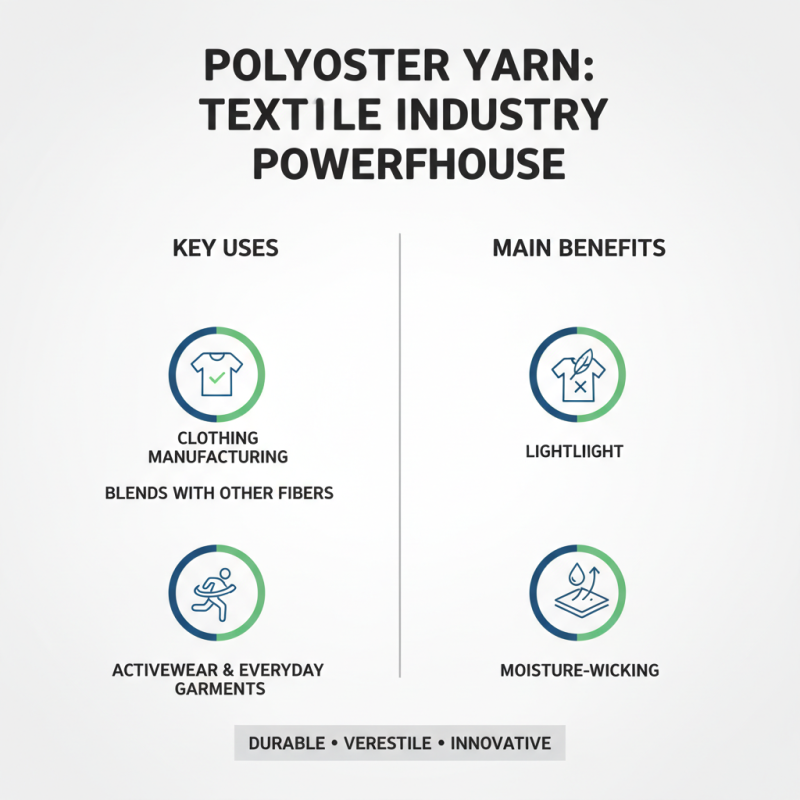
Polyester yarn is widely utilized in the textile industry for its versatility and durability. One significant application is in clothing manufacturing. Apparel made from polyester yarn is lightweight, resistant to wrinkles, and often moisture-wicking. This makes it suitable for activewear and everyday garments alike. Fabrics blend well with other fibers, enhancing their overall performance.

Home textiles also benefit from polyester yarn. Curtains, upholstery, and bed linens crafted from polyester are easy to clean and maintain. The fabric’s strength ensures long-lasting use. Additionally, synthetic fibers can resist fading, which is ideal for vibrant home décor. However, some challenge the environmental impact of polyester production. Recycling processes are improving, but awareness is still needed.

In industrial applications, polyester yarn finds a place in sewing threads and non-woven fabrics. These uses demand durability and flexibility. Yet, not every polyester product has the same quality. Some may not withstand high-stress situations. Understanding these nuances is essential for manufacturers and consumers. Selecting the right type can make a substantial difference in performance.

Benefits of Polyester Yarn for Durability and Performance

Polyester yarn has gained immense popularity in the textile industry. This material is widely recognized for its durability and impressive performance characteristics. When you think about strength, polyester tops the list. Stronger than many natural fibers, it holds up well under stress. It resists tearing and fraying, ensuring longevity in fabrics.

Another notable benefit of polyester yarn is its resistance to moisture. Fabrics made from polyester are quick-drying. This feature is critical in activewear and outdoor garments. However, it can feel less comfortable than natural fibers against the skin. While the moisture-wicking property is beneficial, some users may dislike the texture.

Moreover, polyester yarn maintains color vibrancy. Fabrics made from it do not fade easily. The ability to hold dye intensifies its appeal in the fashion industry. Yet, this durability sometimes comes at an environmental cost. Polyester is a synthetic fiber, and its production can be harmful. Reflecting on its benefits and drawbacks is essential for progress in sustainable textiles.

Top Uses and Benefits of Polyester Yarn in Textile Industry

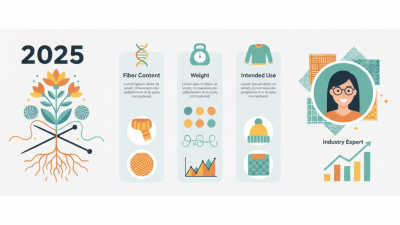
This chart illustrates the various benefits and applications of polyester yarn in the textile industry, focusing on durability, performance, and versatility.

Environmental Impact of Using Polyester Yarn

The use of polyester yarn in the textile industry is prevalent, but its environmental impact raises concerns. Reports indicate that polyester production releases significant greenhouse gases. According to a study by the Textile Exchange, producing one kilogram of polyester emits approximately 6 kilograms of CO2. This highlights the need for sustainable alternatives.

Polyester is derived from fossil fuels. This reliance strains our natural resources. Recycling polyester has emerged as a solution. Recycled yarn reduces waste and lowers energy consumption by up to 50%. However, the recycling process is not without its drawbacks, as it can also result in limited quality compared to virgin yarn.

Tips: When choosing fabrics, consider options like recycled polyester. Opt for brands that commit to sustainability. Also, explore mixed compositions that reduce polyester's footprint while maintaining durability. Seeking certifications can guide you toward eco-friendly choices. Every step counts toward a more sustainable future.

Comparative Analysis: Polyester Yarn vs. Other Textile Fibers

Polyester yarn remains a leading choice in the textile industry due to its diverse applications. It competes fiercely with natural fibers like cotton and wool. According to industry reports, polyester accounts for about 52% of global fiber production. Its affordability and durability make it a favored option among manufacturers.

Comparing polyester with cotton, the latter is more breathable but less resistant to wear. In contrast, polyester has superior moisture-wicking properties. This makes it ideal for activewear and outdoor gear. Reports indicate that polyester's lifecycle can be more environmentally taxing due to its reliance on petroleum. Analysts suggest exploring recycling options to mitigate its ecological footprint.

While polyester yarn is known for its strength, it's not devoid of drawbacks. Some consumers experience discomfort due to its synthetic nature. Cotton-derived products may be softer and more comfortable for everyday wear. Yet, a growing market for blended fabrics shows a shift towards balancing comfort with performance. As the industry evolves, continual assessment of material advantages is crucial for sustainable growth.

Top Uses and Benefits of Polyester Yarn in Textile Industry

Aspect Polyester Yarn Cotton Yarn Nylon Yarn
Strength High tensile strength Moderate strength Very high strength
Durability Excellent durability Less durable High durability
Moisture Resistance Low moisture absorption High moisture absorption Moderate moisture absorption
Cost Cost-effective Generally more expensive Higher cost
Elasticity Good elasticity Poor elasticity Excellent elasticity
Applications Clothing, home textiles, industrial fabrics Casual wear, bedding, upholstery Activewear, hosiery, technical fabrics
This site is registered on wpml.org as a development site.