How to Use Acrylic Textile in Fashion and Home Decor?
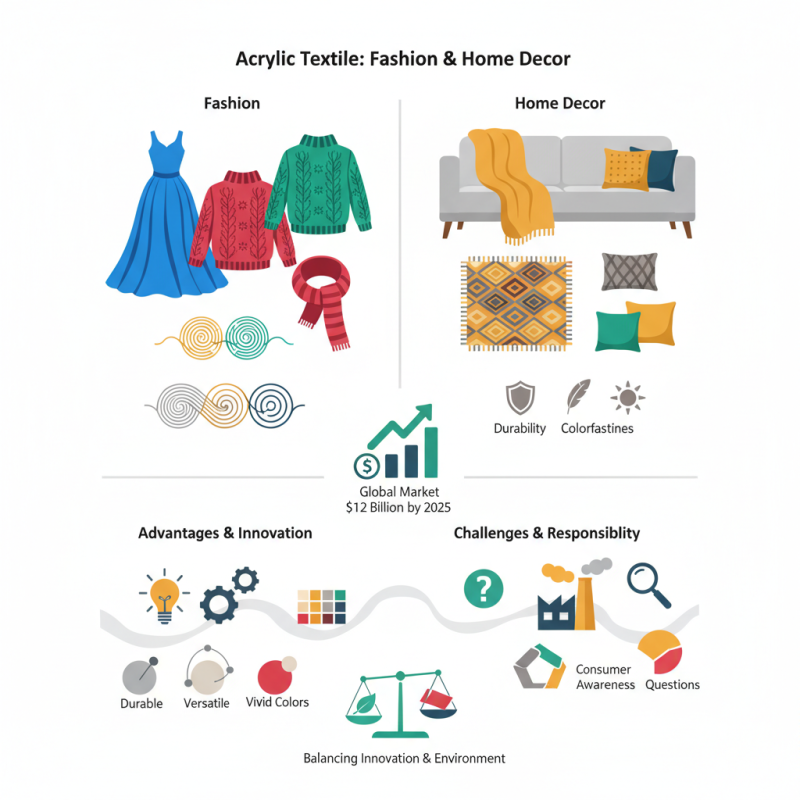
Acrylic textile is revolutionizing the fashion and home decor industries. According to a recent industry report, the global acrylic fiber market is expected to reach $12 billion by 2025. This growth reflects the increasing demand for lightweight, durable, and versatile materials like acrylic. Designers appreciate its vivid colors and adaptability.
In fashion, acrylic textile offers comfort and style. It blends well with other fabrics, creating unique textures. However, challenges exist. Some consumers are still unaware of acrylic's benefits. This lack of knowledge can hinder its adoption. In home decor, acrylic textiles elevate aesthetics. They are not only stylish but also practical. Yet, the synthetic nature of acrylic raises sustainability questions.
As we explore acrylic textile, it is essential to recognize both its advantages and the need for responsible sourcing. Balancing innovation with environmental considerations should be a priority. This reflection allows us to embrace acrylic textile thoughtfully in our designs.
Understanding Acrylic Textile: Properties and Benefits
Acrylic textile is gaining popularity in both fashion and home decor. Its properties make it a versatile choice. Lightweight yet durable, it resists wrinkles and holds its shape well. This makes it ideal for creating stylish garments and decorative items.
One drawback is that it can be less breathable than natural fibers. This might not suit everyone, especially in hot weather.
The benefits of acrylic extend beyond its practical uses. The vibrant colors it holds can elevate any space. Imagine a bright, cozy throw draped over a sofa, instantly brightening the room. However, care is essential.
Over time, acrylic can pill and lose its luster if not treated properly. It's worth pondering whether the ease of maintenance outweighs potential drawbacks in your projects.
Using acrylic in fashion offers endless possibilities. Whether it’s layering high-fashion outfits or designing casual wear, this material adapts well. Yet, it can create static cling, which is an annoyance.
Working with acrylic can feel rewarding, but be aware of its quirks. Letting your creativity shine with this unique textile can lead to stunning results, but balance and consideration are crucial.
Applications of Acrylic Textile in Fashion Design
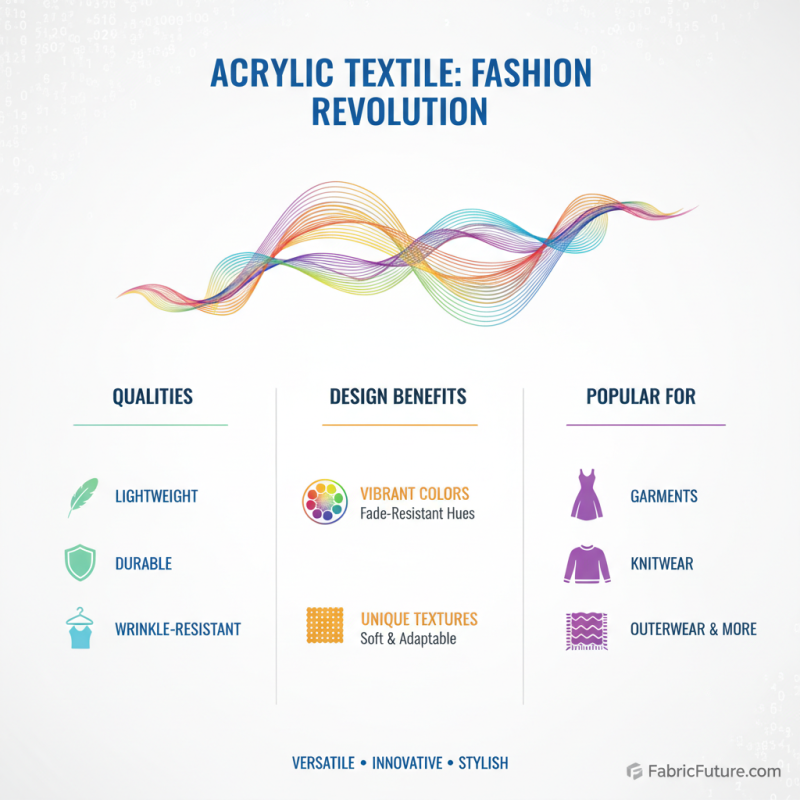
Acrylic textile has transformed fashion design, offering vibrant colors and unique textures. Designers often gravitate towards its versatile qualities. This material is lightweight, durable, and resistant to wrinkling, making it popular for various garments.
In fashion, acrylic fabric is commonly used for knitwear and accessories. It mimics the softness of wool but at a lower cost. Its easy dyeability allows stunning patterns, enhancing creative possibilities. However, some may find acrylic less breathable than natural fibers, leading to discomfort in warmer climates.
The sustainability aspect of acrylic can spark debate, too. While it contributes to fast fashion, recycling options are often limited. Consumers should consider the longevity of garments made from acrylic. Balancing creativity with environmental impact remains a significant challenge in fashion design today.
Incorporating Acrylic Textiles into Home Decor
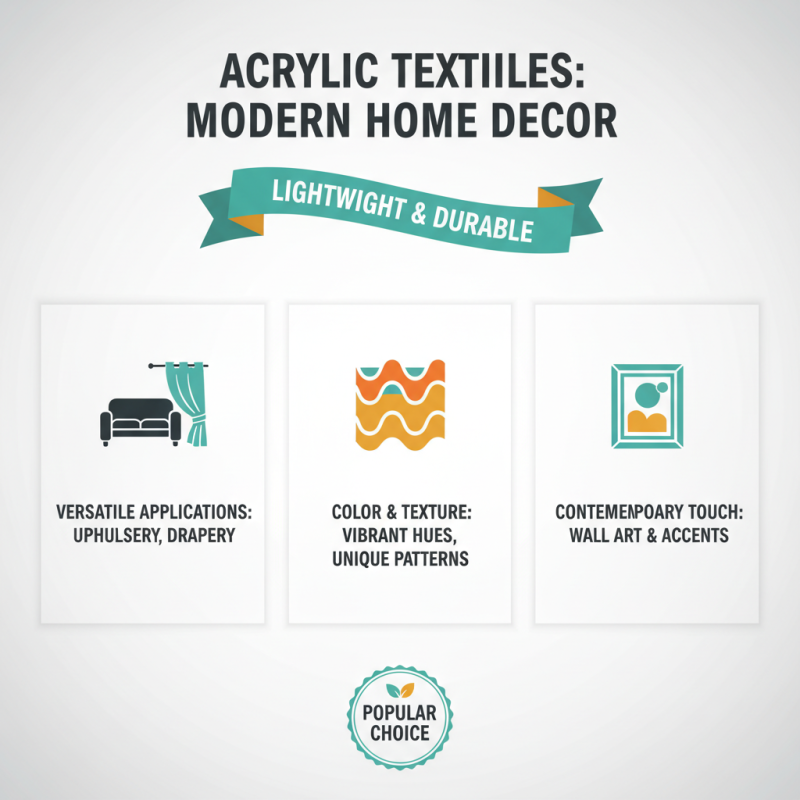
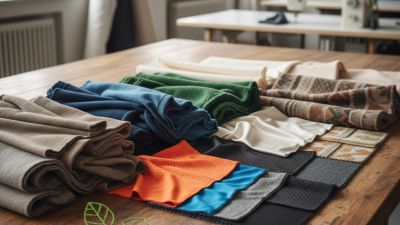
Acrylic textiles are becoming a popular choice in home decor. They are lightweight and durable, making them ideal for various applications. This material's versatility allows it to be used in upholstery, drapery, and even wall art. The vibrant colors and unique textures add a modern touch to any space.
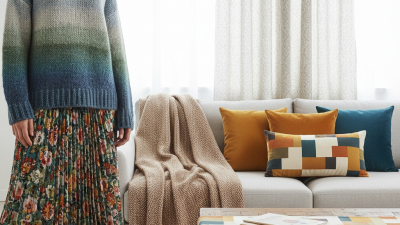
Incorporating acrylic textiles can be easy yet requires thoughtful choices. For example, a bright acrylic throw can liven up a neutral sofa. Yet, too many bright colors may clash and overwhelm a room. Balance is key. Choosing complementary hues can create harmony in your decor. You can also use acrylic textiles to create statement pieces, such as a bold carved panel or vibrant cushions.
However, the shiny finish of acrylic may not suit everyone’s taste. Some may find it too flashy or artificial. Opt for matte versions if a more subdued look is desired. Consider mixing textures, too. Pairing acrylic with natural fabrics, like cotton or linen, can soften the overall aesthetic and add depth. Finding the right balance between acrylic and other elements is essential for a cohesive design.
Care and Maintenance of Acrylic Textile Items
Acrylic textiles are popular for their versatility and vibrant colors. However, they require proper care to maintain their appearance and longevity. According to a report from the Textile Industry Association, over 30% of consumers neglect proper maintenance of these fabrics, leading to faster wear and fading.
Washing acrylic items in cold water is essential. Hot water can cause shrinkage and distort the fibers. It's better to use a gentle detergent. Avoid bleach, as it weakens the fabric. Some people assume that all stain removers are safe, but high acidity can harm acrylic. Rinsing thoroughly helps remove any soapy residue, which can lead to a dull finish.
Drying is another critical aspect. Many choose to tumble dry, but this can lead to pilling. Air drying is a safer option. Wrap the item in a towel to absorb excess water, then lay it flat. As noted in professional textile care guidelines, this approach minimizes damage. It's crucial to check for any signs of wear regularly. Over time, even acrylic can show signs of fading or pilling, which may require thoughtful restoration techniques.
Creative DIY Projects Using Acrylic Textiles
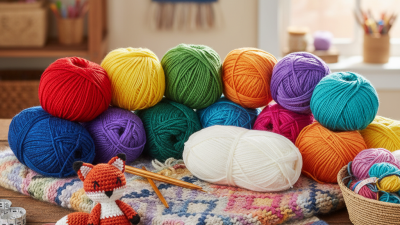
Using acrylic textiles in creative DIY projects can transform your home and fashion pieces. These vibrant materials are versatile and durable. One idea is to create your own throw pillows. Choose bright colors or intricate patterns. Cut the acrylic fabric into your desired shape and sew it into a cushion cover. It’s simple yet satisfying.
Another project could be a wall hanging. Cut different shapes from the fabric. Arrange these pieces in a colorful collage. Use a wooden frame or stick to hold them in place. This task requires some patience. The shapes may not line up perfectly, but that adds character. It’s all about experimenting with textures and colors.
You can also make unique accessory items like bags or hats. Use acrylic textiles to create something fun and bold. A hat with mixed colors can be a showstopper. Don’t worry if the stitching isn’t flawless. Each imperfection tells a story. Acrylic projects invite you to explore your creative side while adding personal flair to your life.


 No. 85 “Alexander Malinov” Blvd,
1715 Sofia, Bulgaria
No. 85 “Alexander Malinov” Blvd,
1715 Sofia, Bulgaria +359 2 953 0387
 sale@chemicalmojo.com