Top 10 Benefits of Acrylic Fabric in Modern Fashion and Home Decor?
Acrylic fabric has become a notable trend in both fashion and home decor. This versatile material offers numerous benefits that many may overlook. Designers and homeowners alike appreciate its colorful vibrancy. It brings life to garments and interiors, making spaces feel modern and inviting.
The advantages of acrylic fabric extend beyond aesthetics. Its durability makes it an excellent choice for various applications. This fabric resists wear and tear, standing up to daily use. However, it is essential to consider its care requirements. Proper maintenance can enhance its longevity.
Moreover, acrylic fabric is lightweight yet strong. This balance allows for easy handling and versatile designs. However, some may notice its synthetic feel compared to natural fibers. While this can be a drawback, many find the trade-off worthwhile. Eco-conscious consumers should also reflect on its environmental impact. Despite its popularity, acrylic fabric requires responsible sourcing and production.
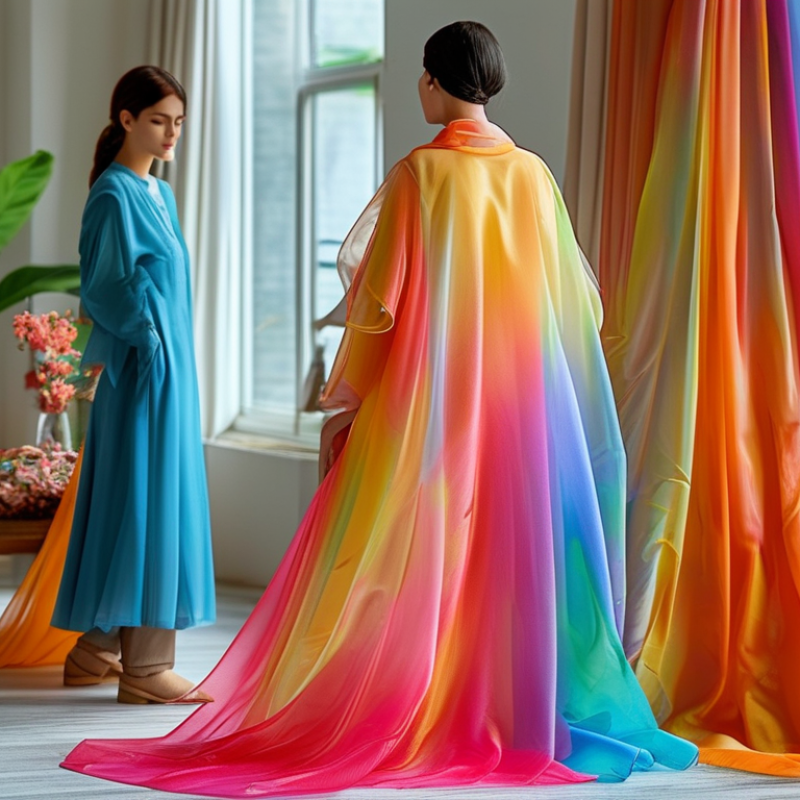
Advantages of Acrylic Fabric in Fashion Design
Acrylic fabric has increasingly become a staple in fashion design due to its unique properties. This synthetic material mimics wool's warmth and softness while being lightweight and easier to maintain. According to the Textile World report, acrylic textiles can provide excellent durability and resistance to moths, making them a popular choice for modern clothing.
One major advantage is its vibrant color retention. Unlike natural fibers, acrylic fabrics maintain their hue even after multiple washes. Reports indicate that garments made from acrylic retain 60% more color than those made from cotton. This makes them ideal for trendy, fast-paced fashion cycles where color popularity can change quickly. The fabric also boasts UV resistance, which is essential for outdoor wear.
Tip: When designing with acrylic, consider blending it with other fibers. This can enhance breathability and improve overall texture. Experimenting with various blends can yield exciting results.
However, it's essential to acknowledge that acrylic fabrics can be less breathable than natural fibers. This might not suit all environments, particularly in warmer climates. In addition, some individuals may experience skin sensitivity to synthetic materials. Balancing these factors is crucial for achieving both comfort and style in fashion design.
Tip: Always test fabric swatches against the skin before incorporating them into your designs. This can help ensure a comfortable fit for your audience.
Durability and Resistance to Wear of Acrylic Material
Acrylic fabric has become a popular choice in both fashion and home décor. One of its standout features is durability. Acrylic is known for its high resistance to wear and tear. This makes it ideal for various uses, from cozy sweaters to stylish upholstery. Your pieces will maintain their shape and appearance for a long time.
In terms of resistance, acrylic is highly effective against fading and staining. This helps fabrics look new even after repeated washing. This can save you money over time, as you won’t need to replace or repair items as frequently.
Tip: When caring for acrylic fabric, avoid harsh detergents. Instead, opt for mild cleansers to preserve the material’s quality. Also, try to air dry items whenever possible. This can extend their lifespan significantly.
Understanding these qualities is essential when choosing fabrics. Acrylic may not be the natural choice for everyone, and it can sometimes feel less breathable than natural fibers. But its practicality and longevity can outweigh these concerns for many.
Versatility of Acrylic in Various Fashion and Home Decor Applications
Acrylic fabric is gaining popularity in fashion and home decor due to its remarkable versatility. This synthetic material can mimic different textures, from wool to silk. Designers often choose acrylic for its lightweight, durable nature, making it suitable for various applications. Whether it’s stylish clothing or cozy throws, acrylic is a top choice.
When working with acrylic in fashion, consider its breathability. It often keeps wearers comfortable and dry. However, be mindful of its lack of natural fibers. Blending acrylic with cotton or wool can create a balanced fabric that offers the best of both worlds. This combination enhances comfort and absorbs moisture.
In home decor, acrylic is a game-changer. Its vibrant colors and patterns can brighten spaces. Rugs, curtains, and upholstery made of acrylic can withstand fading and wear. Adding a few acrylic elements can elevate your design. However, not all acrylic is created equal. Look for high-quality options to ensure longevity. Careful consideration of your choices will lead to personalized, stylish outcomes.
Sustainability Aspects of Acrylic Fabric in Modern Use
Acrylic fabric is gaining momentum in fashion and home decor. Its lightweight nature and vibrant colors capture attention. But what about sustainability? This is an important consideration in modern usage.
Acrylic is derived from petrochemicals, which raises concerns. Its production contributes to environmental issues. However, recycling options are emerging. Many brands are exploring ways to reuse acrylic fabric. This can lessen its environmental footprint significantly.
Tips for sustainable choices: Look for recycled acrylic products. Repair damaged items instead of discarding them. Consider donating clothes you no longer wear. These small actions can help promote a circular economy.
While acrylic has benefits, we must reflect on its impact. Choosing sustainable options can lead to a more responsible fashion and decor industry. Balancing style and environmental awareness is crucial for the future.
Cost-Effectiveness of Acrylic Compared to Other Fabrics
Acrylic fabric is gaining traction in the fashion and home decor industries, particularly due to its cost-effectiveness. Research from Textile World highlights that acrylic is often 30-50% cheaper than natural fibers like wool and cotton. For budget-conscious designers and consumers, this price advantage is significant. The lower production costs of acrylic arise from its synthetic nature, making it a popular choice for mass production.
Moreover, acrylic offers durability that enhances its value. According to a report by the American Fiber Manufacturers Association, acrylic is resistant to mildew and fading, which extends the lifespan of fabrics made with it. This durability results in fewer replacements over time, translating into long-term savings. However, it’s crucial to evaluate the environmental impact. While acrylic is cost-effective, it is derived from petrochemicals, raising sustainability questions.
The versatility of acrylic also contributes to its cost-effectiveness. It can be dyed in numerous shades and patterns, providing flexibility in design at a lower cost compared to natural fibers. However, while its affordability is attractive, consumers must reflect on the balance between cost and eco-friendly products. Choices made today can shape future sustainability in the fabric industry.



 No. 85 “Alexander Malinov” Blvd,
1715 Sofia, Bulgaria
No. 85 “Alexander Malinov” Blvd,
1715 Sofia, Bulgaria +359 2 953 0387
 sale@chemicalmojo.com