What Are Staple Yarns and How Are They Used?

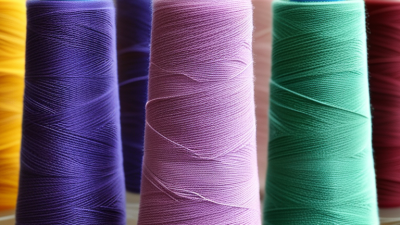
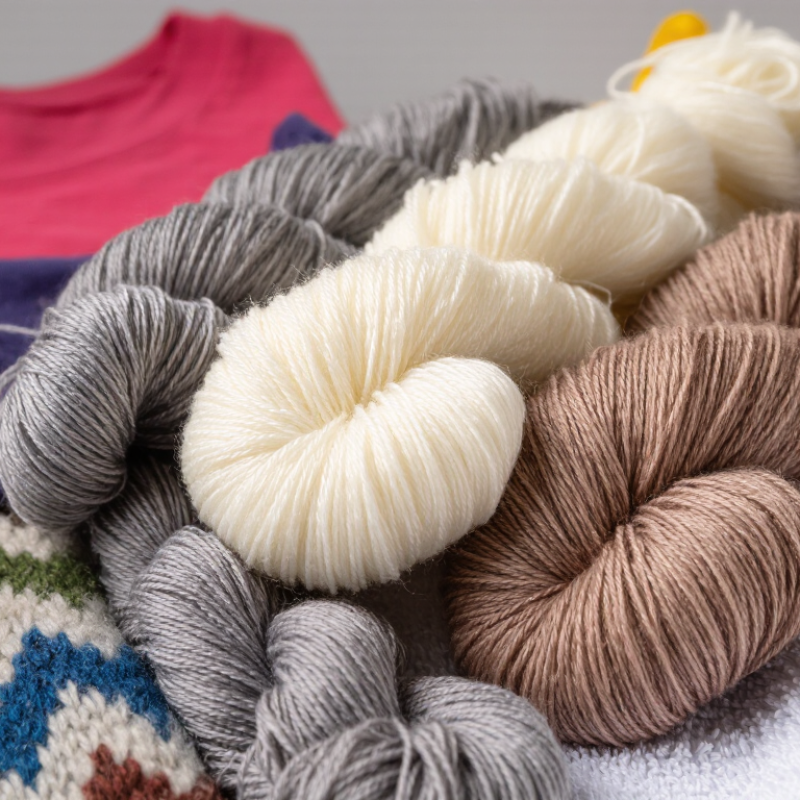
Staple yarns are made from short, separate fibers twisted together to form a continuous strand. Cotton, wool, linen, viscose, and many recycled fibers can become staple yarns. Unlike filament yarns, they usually have visible fiber ends and a softer, more textured surface. You may notice this texture in a cotton T-shirt, a wool sweater, or a woven kitchen towel. The fiber length, twist, blend, and finishing method all influence the yarn’s strength, warmth, appearance, and resistance to pilling.

This guide explains how staple yarns are produced, assessed, and used across textile applications. It considers carding, combing, spinning, and common yarn structures without treating one method as universally superior. That distinction matters. A tightly spun yarn may improve durability, while a looser structure can create a fuller hand and better insulation. Manufacturers often select fibers according to the product’s purpose, budget, machinery, and care requirements. Small choices matter.

In practical work, yarn performance should be checked through reliable specifications and physical testing. Count, twist, tensile strength, evenness, and moisture behavior can affect production results. A sample may feel excellent but perform poorly during knitting or weaving. That happens. The term “staple yarns” also covers many different constructions, so broad claims require caution. By examining their materials, manufacturing processes, and end uses, readers can make more informed choices for apparel, home textiles, technical fabrics, and sustainable product development. Some answers depend on context.
What Are Staple Yarns and How Are They Used?

Definition and Basic Characteristics of Staple Yarns

Staple yarn is made by twisting short fibers into a continuous strand. Cotton, wool, flax, and cut manufactured fibers can all form staple yarns. Its basic character depends on fiber length, fineness, twist, and blend ratio. Shorter fibers often create more surface hairiness, while longer fibers usually produce smoother, stronger yarns.

Staple yarn feels different from filament yarn. It can offer warmth, softness, bulk, and a familiar textile touch. However, it may shed fibers or develop pilling when friction is high. In a spinning mill, technicians check yarn count, twist, tensile strength, unevenness, and hairiness. These measurements reveal weaknesses that touch alone can miss. Textile Exchange’s Materials Market Report 2024 estimates global fiber production reached 124 million tonnes in 2023. This scale highlights why fiber selection and efficient spinning remain important. The number is impressive, but it does not automatically mean better yarn quality.

Tips: Match the yarn to the end use. Fine, low-hairiness yarn suits lightweight shirts. Bulkier yarn works well for sweaters, towels, and bedding. Check abrasion and pilling results before production. A softer yarn is not always the most durable choice. Small differences in twist can change drape, warmth, and surface appearance. Testing should guide judgment, not replace it.

How Staple Yarns Are Made from Short Fibers

What Are Staple Yarns and How Are They Used?

How Staple Yarns Are Made from Short Fibers

Staple yarns are made from short fibers rather than continuous filaments. Cotton, wool, linen, and many cut synthetic fibers can become staple materials. Their small fiber lengths create a soft, slightly textured surface. The yarn may also show tiny loose fibers, called hairiness. This is not always a defect. It can improve warmth and comfort, although excessive hairiness may cause pilling.

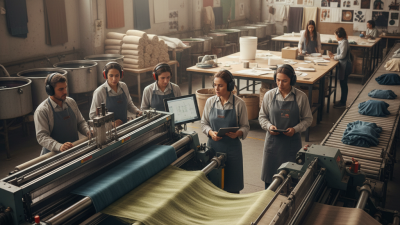
The process begins with opening and blending compressed fiber bundles. Machines remove dust, foreign particles, and some weak fibers. Carding then separates and aligns the fibers into a thin web. This web becomes a soft strand called sliver. The sliver still looks uneven. Drawing combines several strands and reduces thickness variations. Spinning adds twist, holding the fibers together. More twist usually improves strength, but too much twist can make fabric feel hard.

Small details matter.

During production, technicians check fiber length, moisture, twist, and yarn evenness. A damp fiber may spin smoothly, while a dry one can create more static and breaks. I have found that laboratory results do not always predict fabric behavior perfectly. Knitting tension, washing, and finishing can change the final feel. Staple yarns are used in shirts, sweaters, towels, bedding, denim, and industrial fabrics. Blending fibers can balance softness, durability, stretch, and cost. The best choice depends on the fabric’s intended use, not appearance alone.

Main Fiber Types Used in Staple Yarn Production

Staple yarns are made from short fibers that are cleaned, aligned, drafted, and twisted together. Their performance depends heavily on the fiber type. Fiber length, crimp, fineness, and surface friction all affect yarn strength and handle.

Cotton is soft, breathable, and absorbent, making it useful for shirts, towels, and bed linens. Wool provides warmth, elasticity, and natural moisture control. It suits sweaters, coats, and winter accessories. Flax fibers create crisp, cool yarns for lightweight clothing and household fabrics, although they can wrinkle easily.

Viscose fibers offer a smooth hand and attractive drape. However, some viscose yarns lose strength when wet, so testing remains important. Polyester staple fibers improve durability, drying speed, and resistance to shrinking. Acrylic can imitate wool’s softness while reducing weight and cost. Recycled polyester and regenerated fibers are also used, but their quality may vary between production batches.

Blending fibers can balance weaknesses. Cotton and polyester may produce a yarn that feels comfortable but lasts longer. Wool and synthetic fibers can improve shape retention. The result is not always predictable. A small change in blend ratio or twist can alter pilling, softness, and tensile strength. Textile technicians should inspect sample yarns, measure unevenness, and test fabric after washing. A practical mistake is judging yarn only by touch. Appearance can mislead. Performance matters.

What Are Staple Yarns and How Are They Used? — Main Fiber Types Used in Staple Yarn Production

Fiber Type Classification Typical Staple Length Moisture Regain Key Performance Characteristics Common Staple-Yarn Applications Typical Blends
Cotton Natural Cellulosic Approximately 20–40 mm, depending on grade About 7–8.5% under standard textile conditions Soft hand, good moisture absorption, breathable, comfortable, and stronger when wet. It can wrinkle and shrink unless specially treated. T-shirts, shirts, denim, towels, underwear, bed linen, socks, and home textiles Polyester/cotton, elastane/cotton, viscose/cotton, and linen/cotton
Wool Natural Protein Approximately 30–120 mm, depending on animal breed and processing About 14–18.5% Excellent warmth, elasticity, moisture buffering, and natural resilience. It can felt, pill, or shrink if exposed to unsuitable heat, moisture, and agitation. Sweaters, coats, suits, scarves, blankets, carpets, and thermal base layers Wool/polyamide, wool/acrylic, wool/polyester, and wool/viscose
Flax Natural Bast Fiber Approximately 20–30 mm after cottonization; longer fibers may be processed differently About 12% High strength, cool handle, good moisture absorbency, low elasticity, and a characteristic natural appearance. It creases readily. Shirts, lightweight trousers, table linen, towels, upholstery, and summer knitwear Linen/cotton, linen/viscose, linen/polyester, and linen/wool
Viscose Rayon Regenerated Cellulosic Commonly 32–60 mm for staple spinning About 11–13% Silky appearance, soft drape, high absorbency, and good dye uptake. Standard viscose loses substantial strength when wet and may crease easily. Dresses, blouses, linings, knitted garments, blankets, and absorbent textile products Viscose/polyester, viscose/cotton, viscose/linen, and viscose/wool
Lyocell Regenerated Cellulosic Commonly 32–60 mm Approximately 10–13% Soft, breathable, absorbent, and generally stronger when wet than standard viscose. It may develop a fibrillated surface unless controlled during finishing. Shirts, denim blends, underwear, sportswear, home textiles, and premium casual clothing Lyocell/cotton, lyocell/polyester, lyocell/linen, and lyocell/wool
Polyester Synthetic Commonly 32–76 mm; selected lengths depend on the spinning system About 0.2–0.8% High strength, excellent abrasion resistance, low moisture absorbency, good dimensional stability, and quick drying. It can retain odors and develop static. Apparel, fleece, uniforms, sewing thread, home textiles, automotive fabrics, and technical textiles Polyester/cotton, polyester/viscose, polyester/wool, and polyester/elastane
Polyamide (Nylon) Synthetic Commonly 38–76 mm About 3.5–4.5% Very high abrasion resistance, good toughness, flexibility, and resilience. It absorbs more moisture than polyester and can be affected by prolonged ultraviolet exposure. Socks, hosiery, sportswear, swimwear, carpets, workwear, and high-abrasion fabrics Polyamide/cotton, polyamide/wool, polyamide/viscose, and polyamide/elastane
Acrylic Synthetic Commonly 38–76 mm About 1–2.5% Lightweight, warm, wool-like, colorfast, and resistant to mildew. It has lower abrasion resistance than nylon and may pill depending on fiber and yarn construction. Knitted sweaters, blankets, scarves, hats, socks, upholstery, and faux-fur fabrics Acrylic/wool, acrylic/cotton, acrylic/polyester, and acrylic/viscose
Polypropylene Synthetic Commonly 38–64 mm Less than 0.1% Extremely lightweight, hydrophobic, quick drying, and resistant to many chemicals. It has limited resistance to heat and ultraviolet light. Thermal underwear, sportswear, socks, carpets, geotextiles, and industrial fabrics Polypropylene/polyester, polypropylene/wool, and polypropylene/polyamide
Elastane Synthetic Stretch Fiber Usually used as a continuous filament; staple forms are specialized Approximately 0.8–1.2% Exceptional stretch and recovery. It is normally used in a small proportion because of its high extensibility and sensitivity to heat, chlorine, oils, and some chemicals. Stretch denim, activewear, underwear, swimwear, socks, medical garments, and fitted knitwear Elastane/cotton, elastane/polyester, elastane/polyamide, and elastane/viscose

Note: Staple length and moisture-regain values are typical textile-industry ranges. Actual values vary with fiber origin, fineness, finishing, test method, and environmental conditions.

Key Properties That Affect Staple Yarn Performance

What Are Staple Yarns and How Are They Used?

Key Properties That Affect Staple Yarn Performance

Staple yarns are made from short fibers twisted into a continuous strand. Cotton, wool, viscose, and cut synthetic fibers are common examples. Their performance depends heavily on fiber length, fineness, strength, and surface friction. Longer fibers usually create smoother yarns with fewer exposed ends. Finer fibers can improve softness, but they may reduce abrasion resistance. This trade-off is often overlooked.

According to Textile Exchange’s 2024 Materials Market Report, global fiber production reached approximately 124 million tonnes in 2023. It could approach 160 million tonnes by 2030. This growth increases pressure on manufacturers to control quality, waste, and resource use. In practical testing, yarn evenness matters greatly. Uneven yarn can produce thin lines, weak spots, and visible shade variation after dyeing. Twist also changes performance: higher twist often improves strength, while excessive twist can make fabric feel harsh.

Moisture regain affects comfort and dye uptake. Cotton absorbs moisture well, while many synthetic staple fibers dry faster but feel less breathable. Pilling remains another concern, especially when loose fibers migrate to the fabric surface. Abrasion tests, tensile testing, and Uster-based evenness measurements provide useful evidence, but laboratory results cannot predict every consumer experience. A yarn may pass technical checks and still feel disappointing in a finished garment. That gap deserves more attention.

Common Textile Applications of Staple Yarns

Staple yarns are made from short fibers spun or twisted together. Unlike continuous filament yarns, they contain many small fiber ends. Cotton, wool, flax, viscose, and recycled polyester can all form staple yarns. Their slightly fuzzy surface gives fabrics warmth, softness, and a natural appearance. It can also create more surface friction.

In apparel, staple yarns are common in T-shirts, sweaters, socks, trousers, and workwear. Cotton staple yarn suits breathable shirts and lightweight jersey fabrics. Wool blends provide insulation for knitwear and winter accessories. Polyester staple yarn improves drying speed and abrasion resistance in sportswear. Blending fibers can balance comfort, strength, and cost, although the result is not always perfectly predictable. A small change in fiber length may affect yarn evenness.

Staple yarns also serve many home textile applications. They are woven into towels, bed sheets, curtains, upholstery fabrics, and blankets. Their soft handle works well against the skin, while textured structures can improve warmth or absorbency. In carpets and floor coverings, thicker staple yarns help create a fuller surface. Recycled staple fibers are increasingly used in these products, but manufacturers must check color consistency and fiber shedding. During production, technicians often inspect yarn samples under light and test their tensile strength. A fabric may look attractive on the loom, yet fail after repeated washing. That practical test matters.

This site is registered on wpml.org as a development site.