What Is Acrylic Fabric And Is It Good For You?

Acrylic fabric appears in winter sweaters, fleece blankets, scarves, and low-cost knitwear. It is a synthetic textile made mainly from polyacrylonitrile, a plastic-based polymer. Its wool-like touch feels soft against the skin. It also dries quickly and holds color well. Textile researcher Dr. Subhash K. Batra describes acrylic fibers as “soft, warm, and lightweight.” That combination explains their popularity in affordable cold-weather clothing.

The market is substantial, although published estimates differ. Grand View Research places the global acrylic fiber market in the multi-billion-dollar range, with continued growth expected through the decade. Textile Exchange’s Materials Market Report 2024 estimates global fiber production reached 124 million tonnes in 2023. Acrylic represents a smaller share than polyester or cotton. Still, its environmental footprint deserves attention. Acrylic is fossil-fuel based, difficult to recycle, and can release plastic microfibers during washing. The European Environment Agency identifies textile fiber shedding as an important source of microplastic pollution.

Is acrylic fabric good for you? The answer is not simple. Finished acrylic fabric is generally considered suitable for ordinary clothing use. Yet sensitive skin may react to dyes, finishes, heat, or friction. The fiber itself is not automatically harmless. Nor is natural fiber automatically better. That assumption needs reconsideration.

Acrylic can provide warmth at a lower price. It may also trap heat and feel less breathable than wool or cotton. Washing it gently, using a laundry bag, and avoiding unnecessary tumble drying can reduce shedding. The honest conclusion is imperfect: acrylic fabric can be practical, but comfort, product quality, chemical finishing, and environmental cost all matter.
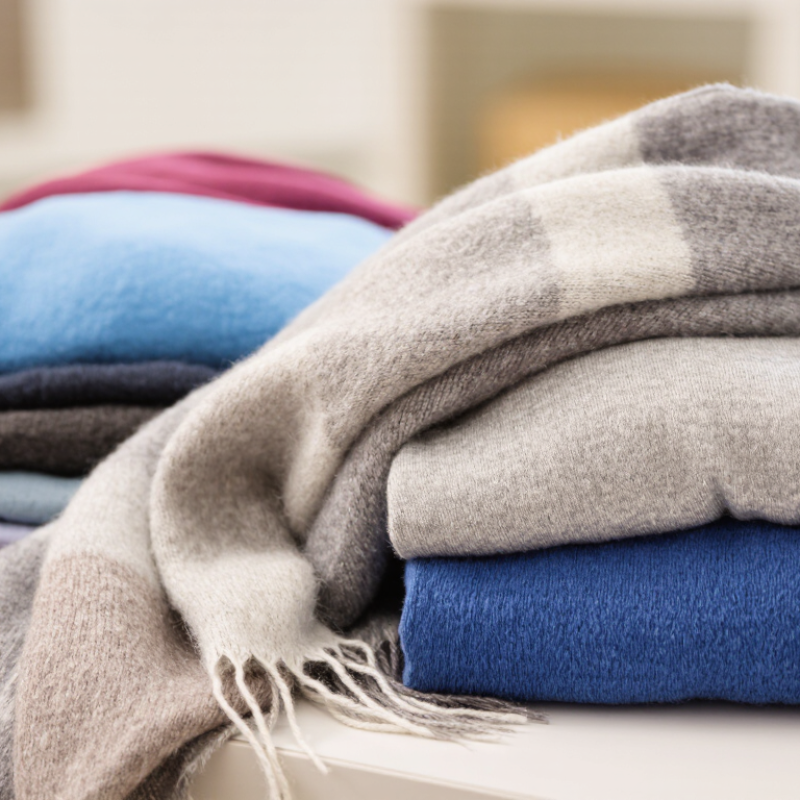
What Is Acrylic Fabric And Is It Good For You?

What Is Acrylic Fabric?

Acrylic fabric is a man-made textile produced from a polymer called polyacrylonitrile. Manufacturers form this polymer into fine fibers through dry or wet spinning processes. These fibers are then woven or knitted into clothing, blankets, upholstery, and craft materials. The result often resembles wool, but it usually costs less and weighs less.

It feels soft and warm against the skin. That is why acrylic appears in sweaters, scarves, and winter hats. The fibers dry quickly and resist sunlight better than some natural materials. They also hold color well. In daily use, I have noticed that acrylic garments keep their shape after gentle washing. Still, quality varies between fabrics.

Acrylic can build static electricity. It may also pill where sleeves rub against desks or bags. The fabric is less breathable than wool or cotton, so it can feel clammy during active wear. Heat is another concern; high temperatures can distort or melt the fibers. Care labels matter.

Some people with sensitive skin may dislike its texture or trapped warmth. Acrylic production also raises environmental concerns because it comes from fossil-based materials and can release tiny fibers during washing. A washing bag may reduce shedding, though it cannot remove the problem completely. I would not call acrylic automatically good or bad for everyone. Its comfort depends on fiber quality, clothing design, climate, and personal skin response.

What Is Acrylic Fabric and Is It Good for You?

Acrylic is a lightweight synthetic fiber designed to resemble wool. This chart compares the approximate moisture regain of common textile fibers under standard atmospheric conditions. Acrylic absorbs little moisture, which helps it dry quickly but can make it feel less breathable and less comfortable in warm, humid conditions. Whether acrylic is good for you depends on personal sensitivity, garment design, ventilation, and how the fabric is used.

How Acrylic Fabric Is Made

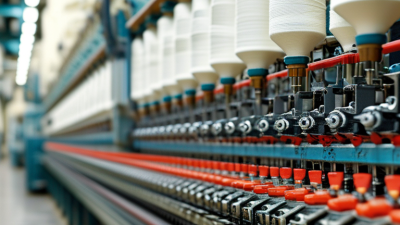
Acrylic fabric begins with acrylonitrile, a petrochemical-derived liquid. Manufacturers polymerize it into polyacrylonitrile, a hard resin. They dissolve this resin in a solvent and force it through tiny spinneret holes. The streams solidify during wet or dry spinning. Heat, washing, stretching, and crimping create soft, wool-like fibers. For sweaters, factories cut continuous filaments into staple fibers and spin them into yarn. The Textile Exchange Materials Market Report 2024 estimates global fiber production reached 124 million tonnes in 2023. Acrylic accounted for about 1% of that volume.

The finished polymer is not the same as raw acrylonitrile. However, production still requires strict chemical controls. The European Chemicals Agency identifies acrylonitrile as a substance requiring serious occupational safeguards. A soft hand feel does not prove complete safety. Acrylic absorbs little moisture, so some garments can feel warm, clingy, or hold odors. Washing may also release synthetic fibers. That concern is real, but household exposure depends on fabric quality, garment construction, and washing habits. I would not treat one laboratory result as a final verdict.

Tips: Choose tightly knitted acrylic when reducing shedding matters. Wash it less often and use a cool, gentle cycle. A laundry filter can capture some loose fibers, though it is not perfect. Check care labels, because high heat can distort the crimped structure and create a rougher surface.

Key Properties and Common Uses of Acrylic

Acrylic fabric is a synthetic textile made from polymer-based fibers. Its soft, wool-like feel makes it popular in affordable clothing and home textiles. The fibers are lightweight, warm, and usually quick to dry. They also hold color well after repeated washing. Acrylic resists moth damage, but it can develop pills from friction. Small details matter.

Common uses include sweaters, scarves, hats, blankets, socks, and decorative cushions. Manufacturers often blend acrylic with wool, cotton, or other fibers to change softness, strength, or cost. In cold weather, an acrylic sweater can feel cozy without the weight of heavy wool. However, it may trap heat during active use. Some people also notice static electricity or skin irritation. Acrylic fabric is not automatically good or bad for you; comfort depends on weave, clothing design, and personal sensitivity.

Tips: Check the care label before washing. Use cool water and a gentle cycle to reduce stretching and pilling. Air-dry the garment when possible. Avoid high heat, which may damage the fibers or change their shape. If your skin reacts easily, wear a thin cotton layer underneath and test the fabric briefly. Acrylic can shed tiny plastic fibers during washing, so washing less often and using a laundry filter may reduce releases. I once underestimated how much fabric finish affects comfort. The fiber alone does not tell the whole story.

Benefits and Potential Drawbacks for Wearers

What Is Acrylic Fabric And Is It Good For You?

Acrylic fabric is a lightweight synthetic textile made from polymer fibers. It often imitates wool in sweaters, scarves, blankets, and winter hats. Its fibers hold color well and resist shrinking when cared for properly. Acrylic also dries quickly, which can make daily washing more convenient. On cold mornings, an acrylic sweater may feel warm without adding much weight.

Benefits and Potential Drawbacks for Wearers

The main benefit is practical comfort. Acrylic clothing is usually soft, affordable, and easy to maintain. It can suit people who want wool-like warmth without using animal fibers. However, acrylic does not breathe as well as many natural fabrics. A wearer may feel clammy during exercise or in heated rooms. The material can also build static and attract lint. Friction may create small pills around the cuffs and under the arms.

Skin comfort deserves closer attention. Acrylic itself is not usually considered a common skin allergen, but dyes and finishing chemicals can irritate sensitive skin. Redness, itching, or stinging should not be ignored. Wash new garments before wearing them, and choose a smooth cotton layer underneath. A textile specialist would also check the garment’s construction, not only its fiber label. Dense stitching and rough seams can cause discomfort. The environmental question is less simple. Acrylic lasts for years, yet washing may release tiny plastic fibers. A laundry bag can reduce some shedding, though it cannot solve everything. It is tempting to call acrylic either safe or harmful. That judgment is too neat. Its effect depends on the garment, climate, skin sensitivity, and how often it is washed.

What Is Acrylic Fabric And Is It Good For You? - Benefits and Potential Drawbacks for Wearers

Dimension What the Data or Evidence Shows Practical Meaning for Wearers Overall Assessment
Fiber composition Acrylic is a manufactured synthetic fiber made primarily from polymers containing at least 85% acrylonitrile by mass. It is not a natural fiber such as wool, cotton, or linen, although it can be engineered to imitate their appearance and hand feel. Useful alternative to animal fibers
Warmth and insulation Acrylic fibers are lightweight and have relatively low thermal conductivity, which helps fabrics retain warm air. Suitable for sweaters, hats, scarves, blankets, and other cold-weather garments without the weight of some natural fibers. Strong benefit in cool conditions
Moisture management Acrylic has low moisture regain, generally around 1.5–2.5% under standard textile-testing conditions. It dries relatively quickly but may not absorb perspiration as effectively as cotton, rayon, or wool. Comfort depends on climate and garment design
Softness and feel The fiber can be produced with a soft, wool-like texture and is often used in knitted fabrics. Many wearers find acrylic comfortable, but some people may notice a slightly synthetic, rough, or clammy feel. Generally comfortable, but personal sensitivity varies
Wrinkle resistance Acrylic fabrics usually resist wrinkling because the synthetic fibers recover their shape after bending. Garments often require less ironing and are convenient for travel or everyday use. Convenient care advantage
Color retention Acrylic accepts many dyes well and is generally resistant to fading from normal washing and light exposure, although prolonged sunlight can still cause damage. Bright colors and patterns can remain attractive when garments are washed and stored correctly. Usually good color performance
Durability and abrasion Acrylic is lightweight and reasonably durable, but repeated rubbing can create fuzzing and pilling, especially in knitted garments. Cuffs, underarms, sides, and areas that rub against bags or furniture may show wear over time. Moderate; construction and care matter
Care requirements Acrylic can often be machine washed, but high heat may distort, shrink, melt, or damage the fabric. Use the care label, choose mild washing conditions, avoid high-heat dryers when instructed, and dry flat when shape retention is important. Easy care with heat precautions
Static electricity Acrylic is a poor electrical conductor and can accumulate static charge, particularly in dry air. Garments may cling to the body, attract lint, or produce small static shocks. Common comfort drawback
Skin comfort and sensitivity Acrylic itself is not generally considered a skin toxin in normal clothing use, but heat, sweat, friction, dyes, and finishing chemicals may contribute to irritation in sensitive individuals. People with sensitive skin should test the garment, wear a breathable layer underneath, and stop using it if irritation occurs. Usually acceptable, not ideal for everyone
Flammability and heat exposure Acrylic is thermoplastic and can soften or melt when exposed to high heat; burning synthetic fibers can produce hazardous smoke. Keep acrylic clothing away from open flames, high-temperature heaters, irons, and hot tumble-drying settings. Important safety limitation
Environmental persistence Acrylic is petroleum-based, does not readily biodegrade, and synthetic textiles can release small plastic fibers during washing and use. Choose durable garments, wash only when needed, use lower-friction cycles, and consider repair, reuse, or textile recycling where available. Significant sustainability drawback
Best use cases Acrylic works well in lightweight warm knitwear, accessories, craft yarns, and blended fabrics designed for affordability and easy care. It is a practical choice when warmth, low weight, color variety, and lower maintenance are more important than maximum breathability or biodegradability. Good for selected uses, with informed care

Note: Performance varies with fiber construction, fabric weight, blends, dyes, finishes, garment design, and care instructions. “Acrylic” does not automatically indicate that a garment is safe or comfortable for every wearer.

Is Acrylic Fabric Safe and Sustainable?

Acrylic fabric is a synthetic textile made from polymers derived mainly from fossil fuels. It is designed to resemble wool, but usually costs less and weighs less. Acrylic sweaters can feel warm, soft, and surprisingly comfortable on a cold morning. They also resist moth damage and dry quickly after washing. That convenience matters in real life. However, softness does not automatically mean safety or quality.

For most people, acrylic clothing is safe when properly manufactured and used as intended. The fiber itself is not usually the main concern. Dyes, finishing agents, trapped heat, and friction may irritate sensitive skin. A red rash around the neck should not be ignored. Choose products with clear fiber information and reliable chemical-safety testing. Wash new garments before wearing them, especially if they have a strong factory smell. Still, personal reactions vary, and no fabric suits everyone.

Acrylic is less sustainable than natural or recycled fibers in several important ways. It begins with non-renewable resources, requires industrial processing, and can release tiny fibers during washing. Most acrylic garments are also difficult to recycle because blended fabrics complicate sorting. Washing less often and using cool water may reduce shedding and energy use. A laundry filter can help, though it is not a perfect solution. I once viewed a long-lasting sweater as automatically sustainable. That was too simple. Durability helps, but production and disposal still matter.

This site is registered on wpml.org as a development site.