China Top Acrylic Textile Manufacturers for Global Buyers
China Top Acrylic Textile Manufacturers for Global Buyers begins with a practical question: which supplier can deliver consistent performance, not merely attractive samples?
Acrylic textile remains important for blankets, sweaters, upholstery, outdoor cushions, and winter accessories. Its wool-like softness, low weight, color retention, and quick-drying behavior attract buyers worldwide. Yet quality can vary sharply between factories. A soft sample may hide weak pilling resistance, uneven dyeing, or unstable dimensions after washing. Small details matter.
Textile scientist Dr. Subhash K. Batra has stated, “A fiber is only as good as the performance it delivers in its intended use.” This principle helps global buyers evaluate Chinese manufacturers more carefully. Product selection should consider fiber fineness, staple length, yarn count, blend ratio, knitting quality, and finishing methods. Factory audits also deserve attention. Look for documented testing, traceable raw materials, clear production capacity, and responsive communication.
Acrylic textile is not automatically sustainable. That point deserves honesty. Buyers should ask about recycled acrylic options, chemical management, wastewater controls, and realistic product claims. Certifications can support trust, but paperwork alone cannot replace independent testing. Request test reports for colorfastness, pilling, shrinkage, tensile strength, and abrasion resistance.
The strongest manufacturers usually explain limitations openly. They may suggest a different blend for high-friction furniture or a tighter knit for frequent washing. That practical advice is valuable. Sometimes, the cheapest quotation becomes the most expensive decision. This guide compares leading Chinese acrylic textile manufacturers through quality control, customization, compliance, export experience, and communication reliability. The goal is not a perfect supplier list. It is a more informed starting point for safer, steadier sourcing.
Acrylic Textiles: Definition, Properties, and Main Applications
Acrylic textile is a synthetic fabric made from polymer fibers, often chosen for its wool-like softness and light weight. It offers good color retention, quick drying, and resistance to sunlight. These properties suit changing outdoor conditions. Soft handle matters.
Compared with natural wool, acrylic usually costs less and dries faster. However, it may pill after repeated rubbing, especially in loosely knitted structures. Heat can also distort the fabric or create a harsh surface. This is not a flawless fiber choice. During sourcing reviews, buyers should inspect both the fabric face and the reverse side. Small differences in yarn twist can change comfort, strength, and appearance.
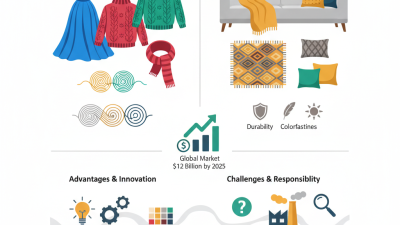
Acrylic textiles are widely used in sweaters, blankets, scarves, upholstery, outdoor cushions, and decorative fabrics. They can create bright colors for hospitality interiors and retail displays. For global buyers working with Chinese manufacturers, practical checks should include fiber composition, weight, colorfastness, shrinkage, pilling, and seam performance. Request laboratory reports and production samples, not only digital photographs. Test the finished construction, because coating, brushing, and knitting density affect results. One overlooked issue is moisture management. Acrylic dries quickly, but it may not feel comfortable in humid, high-contact applications. Clear specifications help manufacturers adjust yarn count, fabric weight, and finishing methods before bulk production.
China’s Acrylic Textile Manufacturing Industry
China’s acrylic textile manufacturing industry serves buyers across apparel, home furnishings, outdoor goods, and technical fabrics. Acrylic fibers are valued for their wool-like warmth, light weight, and resistance to sunlight. They also dry quickly. These properties support products used in changing climates.
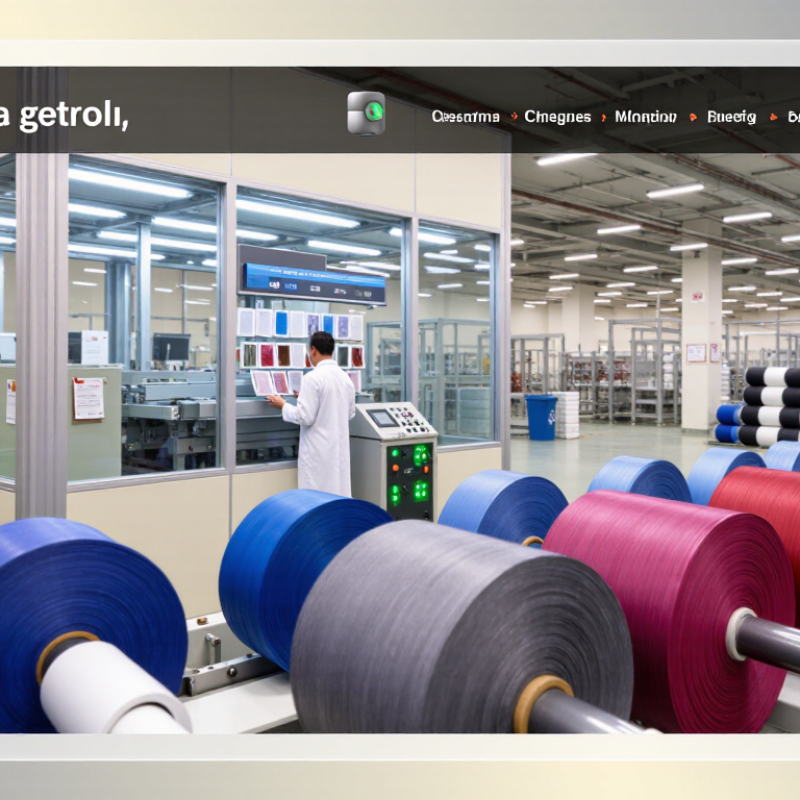
Manufacturing usually begins with fiber selection and spinning. Factories then apply dyeing, knitting, weaving, brushing, or blending processes. Experienced production teams monitor yarn strength, color consistency, fabric width, and surface softness. Reliable facilities keep batch records and test samples before shipment. Buyers should request reports for shrinkage, pilling, colorfastness, and chemical compliance. Small differences can affect large production runs.
The industry is capable, but it is not flawless. Energy use, wastewater control, and synthetic fiber shedding remain serious concerns. Some factories have improved filtration and recycling systems, while others still need stronger oversight. That gap matters. Global buyers should inspect production sites, verify certifications, and compare test results with physical samples. Clear specifications reduce disputes about weight, shade, stretch, and finishing. In my experience, a sample can look excellent yet perform poorly after washing. A second test is often worth the extra time. China’s acrylic textile sector continues to develop through automation, quality control, and more responsible material management.
Key Criteria for Evaluating Chinese Acrylic Textile Manufacturers
Evaluating Chinese acrylic textile manufacturers requires more than comparing quotations. Textile Exchange’s Materials Market Report 2024 estimates global fiber production reached 124 million tonnes in 2023 and may reach 160 million tonnes by 2030. This growth increases pressure on suppliers to prove capacity, consistency, and material traceability.
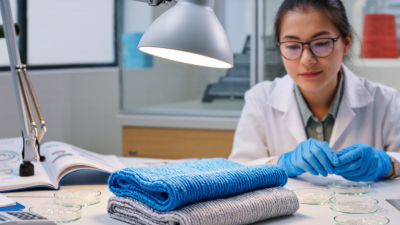
Request a technical data sheet before ordering. Check acrylic fiber composition, denier, cut length, moisture regain, and blending ratios. Ask for test results covering colorfastness, shrinkage, tensile strength, and pilling. ISO 105-C06 and ISO 12945-2 can provide useful testing references. A factory should also explain how it controls shade differences between production lots. Small variations become visible on large knitted panels.
Factory visits remain valuable. Review incoming-fiber records, spinning conditions, dyeing equipment, laboratory calibration, and final inspection reports. Request production samples from different dates, not only a perfect showroom sample. Environmental evidence matters too. The International Energy Agency reports that textile production remains energy-intensive, so buyers should examine electricity sources, wastewater controls, and chemical management. Certifications can support credibility, but they are not complete proof. A low quotation may hide weak testing or unstable delivery. I would treat transparent records as stronger evidence than polished presentations. Mistakes still happen; the supplier’s response reveals more than the mistake itself.
China Top Acrylic Textile Manufacturers for Global Buyers
Key Criteria for Evaluating Chinese Acrylic Textile Manufacturers
This buyer scorecard uses practical evaluation weights totaling 100 points. Product quality and testing receive the highest weighting, followed by production capacity, compliance, customization, commercial terms, delivery performance, and sustainability. The figures represent an evaluation framework rather than company rankings or market-share data.
Leading Manufacturer Categories and Product Capabilities
China Top Acrylic Textile Manufacturers for Global Buyers
Leading manufacturers usually fall into several practical categories. Acrylic fiber producers make staple or modified fibers with controlled denier, cut length, crimp, and color. Yarn spinners convert these fibers into ring-spun, open-end, or blended yarns for sweaters, blankets, socks, and home textiles. Fabric mills then create knitted or woven materials, while dyeing and finishing facilities improve softness, shade consistency, anti-pilling performance, or moisture handling.
Capabilities vary sharply.
A reliable factory should explain its raw material sources, production stages, and quality checkpoints. Experienced suppliers can provide lab dips, yarn counts, fabric weights, and production samples before bulk orders. Buyers should review tensile strength, pilling resistance, colorfastness, shrinkage, and lot-to-lot variation. Independent testing adds useful evidence. Factory audits, batch records, and clear corrective-action reports also support dependable sourcing. Certifications should match the destination market and actual product claims, not merely appear in a sales file.
Vertically integrated manufacturers may offer shorter lead times and stronger process control. However, integration does not guarantee better fabric. A smaller specialist may deliver more accurate colors or finer knitting.
Catalog images can mislead. Request physical samples, especially for brushed surfaces and heather effects. Confirm minimum order quantities, packing methods, sample approval procedures, and replacement terms in writing. Some suppliers communicate well before payment, then respond slowly during production. That risk deserves attention. A strong manufacturer shares realistic tolerances, admits production limits, and adjusts specifications when testing exposes a weakness.
Export Standards, Sourcing Steps, and Buyer Considerations
Sourcing acrylic textiles from China requires more than comparing factory prices. Experienced buyers should verify fiber content, fabric weight, width, colorfastness, shrinkage, and pilling resistance. Ask manufacturers for recent test reports and production samples. A sample may look excellent, yet perform differently in bulk production. That gap deserves attention.
Export preparation should include accurate invoices, packing lists, product descriptions, and applicable destination-market requirements. Confirm labeling rules, restricted chemical limits, testing responsibilities, and shipping terms before placing an order. Request a pre-production sample, a signed specification sheet, and quality checkpoints during manufacturing. Factory audits can reveal equipment age, storage conditions, and process controls. They are useful, but not perfect.
Tips:
Start with a small trial order. Compare three samples under the same light. Check GSM with calibrated equipment, not by touch. Clarify acceptable defects in writing. Review the manufacturer’s export experience and response speed. Keep communication records, especially for color standards and delivery dates. A very low quotation can signal weaker testing, unstable materials, or hidden logistics costs. Buyers should also allow time for corrections. Rushing approval is a common mistake, even for experienced purchasing teams.




 No. 85 “Alexander Malinov” Blvd,
1715 Sofia, Bulgaria
No. 85 “Alexander Malinov” Blvd,
1715 Sofia, Bulgaria +359 2 953 0387
 sale@chemicalmojo.com