How to Choose the Best Acrylic Textile for Global Sourcing?
Choosing the best acrylic textile for global sourcing requires more than comparing prices, colors, and sample cards. A buyer must examine fiber quality, supplier capability, performance data, and regional compliance requirements. Textile Exchange’s Materials Market Report 2024 states that synthetic fibers represented roughly two-thirds of global fiber production in 2023. That scale creates opportunity, but it also increases pressure on traceability and responsible material selection.
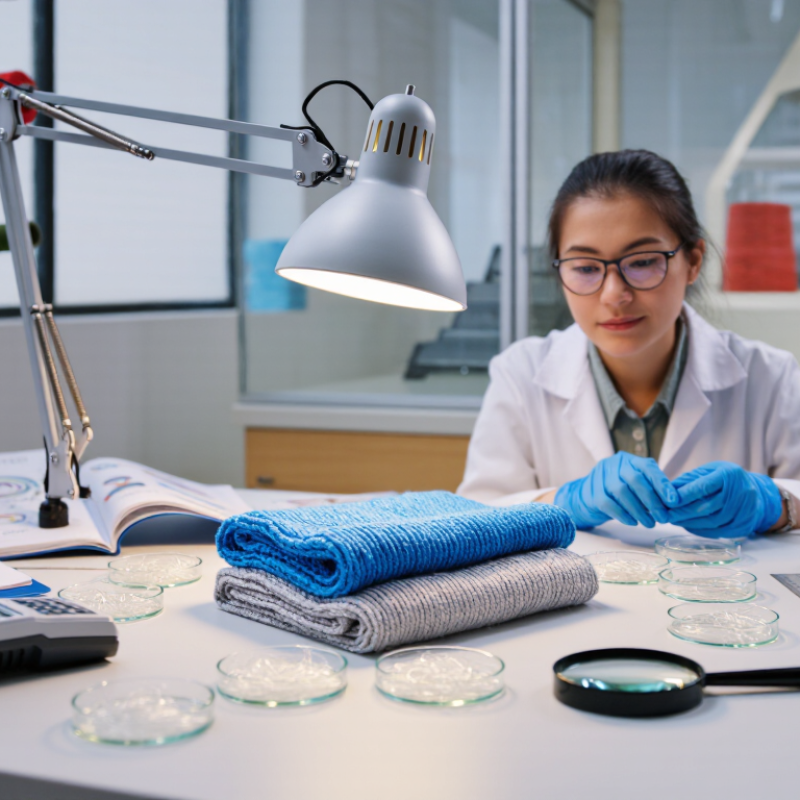
Acrylic textile remains useful for sweaters, blankets, outdoor cushions, and upholstery because it offers warmth, light weight, color retention, and resistance to sunlight. In a practical sourcing review, inspect a knitted sample under strong light. Look for uneven loops, loose fibers, pilling, and color migration after washing. Grand View Research and other market analysts continue to identify steady demand for acrylic fiber, especially in apparel and home-textile applications. However, market growth does not prove product suitability.
The better decision connects laboratory results with actual use. Ask suppliers for fiber composition records, yarn count, GSM, tensile strength, pilling results, colorfastness data, and production-lot consistency. ISO 2076 can support fiber identification, while OEKO-TEX STANDARD 100 may help assess harmful-substance controls. Requirements such as REACH compliance should be verified for the destination market, not assumed from a supplier’s brochure. Recycled acrylic claims also need credible chain-of-custody evidence. That matters.
No sourcing checklist is perfect. I have seen attractive samples fail after washing or show different shades between lots. This guide therefore compares technical performance, supplier transparency, cost stability, and environmental considerations, helping global buyers choose acrylic textile with clearer evidence and fewer expensive surprises.
Define Acrylic Textile Types and Their Core Properties
Acrylic textile is a synthetic material made mainly from acrylonitrile-based fibers. It is commonly supplied as staple fiber, continuous filament, or blended yarn.
Staple acrylic creates a soft, wool-like hand and suits sweaters, blankets, and knitted accessories.
Filament acrylic gives smoother surfaces and more consistent yarn strength.
High-bulk acrylic uses specially developed fibers that expand after processing. It creates warmth without adding much weight.
Its core properties guide fabric selection. Acrylic is lightweight, dries quickly, and absorbs little moisture. It also offers useful resistance to sunlight, making it practical for outdoor cushions and curtains. The surface can feel warm and soft against skin.
However, heat requires caution. Excessive drying temperatures may distort the fabric or damage its finish. Acrylic can also pill under repeated rubbing, especially when the yarn has loose fibers. That assumption can fail.
For global sourcing, buyers should request fiber composition, yarn count, staple length, bulk recovery, colorfastness, and pilling results.
A pale outdoor fabric may look attractive in a sample room, yet fade after long exposure. Testing should reflect the final use, not only the factory sample. ISO or equivalent laboratory methods can support consistent comparisons between suppliers.
Blended acrylic may improve strength, stretch, or hand feel, but it changes performance. A practical specification should name the fiber type, blend ratio, fabric construction, finishing process, and acceptable tolerance. Small details matter.
Compare Acrylic Blends, Weaves, and Fabric Finishes
How to Choose the Best Acrylic Textile for Global Sourcing?
When sourcing acrylic textile globally, start with the end use, not the lowest quote. Acrylic offers warmth, color retention, and a soft wool-like hand. Pure acrylic can feel less breathable. Blend choices change performance. Adding cotton improves moisture comfort, while polyester can increase strength and dimensional stability. Viscose may soften the surface, but it can require tighter shrinkage control. Ask for fiber percentages, yarn specifications, and laboratory test reports. A supplier’s sample may look excellent, yet production lots can behave differently.
Weave affects both appearance and durability. Plain weave creates a stable, clean surface for lightweight garments and linings. Twill adds diagonal texture and often handles abrasion better. Knitted acrylic provides stretch and comfort for sweaters, but its loops can snag or pill. Check the fabric under strong light. Look for uneven yarns, loose edges, and visible streaks. Small defects matter.
Finishes create the final performance. Brushing can produce a warmer, softer surface, while anti-pilling treatment improves long-term appearance. Water-repellent finishes may help outdoor products, but they can reduce softness or breathability. Always test colorfastness, shrinkage, pilling, abrasion, and hand feel after washing. I would not approve a bulk order from one swatch alone. Lab data is useful, but real washing can expose weaknesses. No fabric choice is perfect. The best decision balances comfort, structure, finish, cost, and repeatability across shipments.
How to Choose the Best Acrylic Textile for Global Sourcing?
Comparing acrylic blends, weaves, and fabric finishes through typical moisture-regain performance.
Moisture regain is the percentage of moisture a fiber absorbs from standard atmospheric conditions. The blend values are calculated from commonly reported typical fiber ranges: acrylic about 2%, wool about 15.5%, cotton about 7.75%, and polyester about 0.5%. Lower moisture regain generally supports faster drying, while knit structures, brushing, coatings, and water-repellent finishes mainly change warmth, hand feel, air permeability, and surface protection rather than the intrinsic moisture regain of the fibers.
Assess Suppliers, Production Capacity, and Certification
Choosing acrylic textile for global sourcing requires more than comparing price per kilogram. Textile Exchange’s Materials Market Report 2024 estimates global fiber production reached 124 million tonnes in 2023. Synthetic fibers remain dominant, increasing pressure on traceability and environmental control. Ask each supplier for fiber composition, denier, staple length, pilling results, colorfastness, shrinkage, and moisture regain. A technical data sheet should match the bulk shipment, not only the sample.
Production capacity needs physical verification. Request monthly spinning, dyeing, and finishing capacity, plus machinery age and maintenance records. Compare stated output with lead times and previous shipment volumes. The ITMF Global Textile Industry Survey shows that weak demand and uncertain business conditions continue affecting textile manufacturers. Therefore, avoid relying on one impressive factory tour. Check backup production, laboratory testing, raw-material storage, and corrective-action records.
Tips: Require a recent ISO 9001 certificate and verify its certificate number with the issuing body. For chemical safety, request OEKO-TEX Standard 100 or equivalent test reports. Recycled acrylic claims should include Global Recycled Standard documentation and chain-of-custody evidence. Certificates have limits. They do not prove every production lot is compliant. Arrange independent testing before shipment, especially for children’s fabrics or brushed surfaces. A small mistake in fiber labeling can create costly customs and retail problems. I would also review failed tests, not just perfect ones. That uncomfortable detail often reveals the supplier’s real quality discipline.
Calculate Costs, Logistics, and Long-Term Sourcing Value
Choosing acrylic textile for global sourcing starts with the landed cost, not the factory quote. Record the fabric price, sample fees, testing charges, inland transport, freight, insurance, duties, and local delivery. A roll priced at 2.40 dollars per meter may reach 3.15 dollars after these costs. Small differences matter across 20,000 meters. Ask for weights, widths, shrinkage data, and color tolerance before comparing offers. Numbers can mislead.
Logistics require practical testing. Acrylic fabric can absorb odors during long storage, while compressed rolls may show permanent creases. Request packed-roll dimensions and calculate container utilization. Compare sea freight with faster options only when the production schedule justifies them. Confirm lead times for yarn, dyeing, inspection, and documentation. Add a buffer of at least seven days for port delays. I once underestimated holiday congestion, and the production line waited for fabric. That mistake was expensive.
Long-term sourcing value depends on repeatable quality. Track shade variation, pilling results, fabric width, defect rates, and delivery performance for every shipment. A supplier with a slightly higher price may reduce rework and emergency freight. Discuss annual capacity, payment terms, reserve stock, and backup production locations. Visit the facility when possible, or use an independent inspection service. Still, do not treat one successful order as proof of reliability. Review performance after three or four shipments. Acrylic textiles also need application-specific testing, because a soft hand feel does not guarantee durability in upholstery, apparel, or outdoor use.




 No. 85 “Alexander Malinov” Blvd,
1715 Sofia, Bulgaria
No. 85 “Alexander Malinov” Blvd,
1715 Sofia, Bulgaria +359 2 953 0387
 sale@chemicalmojo.com